
Simple Photo Tips
Everyone thinks they take decent photos until they see what a good one actually looks like. This B2 lesson uses a short YouTube video where a solo travel photographer walks through five practical tips, from using doorways as frames to working with harsh midday light instead of against it. Students predict the tips before watching, answer comprehension questions, and then debate real opinions, like whether equipment matters or whether selfies are just narcissism with a filter. The vocabulary covers terms like focal length, silhouette, and framing, and a final speaking activity puts students in three very different locations to test what they’d actually do.
Lesson overview
- Practice photography vocabulary including framing, perspective, focal length, and silhouette
- Learn five practical tips from a solo travel photographer and discuss their real-world applications
- Develop critical discussion skills by evaluating opinions about creativity, equipment, and social media
- Build fluency through scenario-based practice and a peer-sharing homework task
| Level | Vocabulary | Video Length | Lesson Time |
| B2 / Upper-Intermediate | 10 words | 4:38 min | 60 min |
Vocabulary
- perspective
- foreground
- silhouette
- shoot manually
- framing
- close-up
- scene
- focal length
- capture
- evoke emotions
Contents
- Lead-In
- Vocabulary
- Video Preview
- Video
- Comprehension
- Summary
- Discussion
- Practice
- Agree or Disagree
- Speaking
- Homework
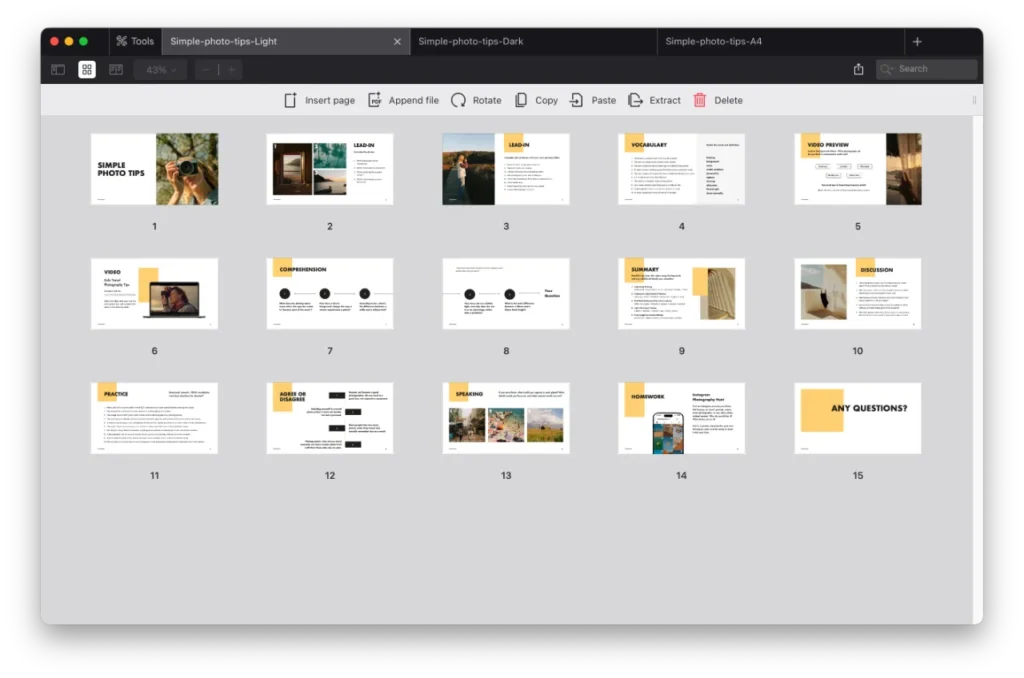
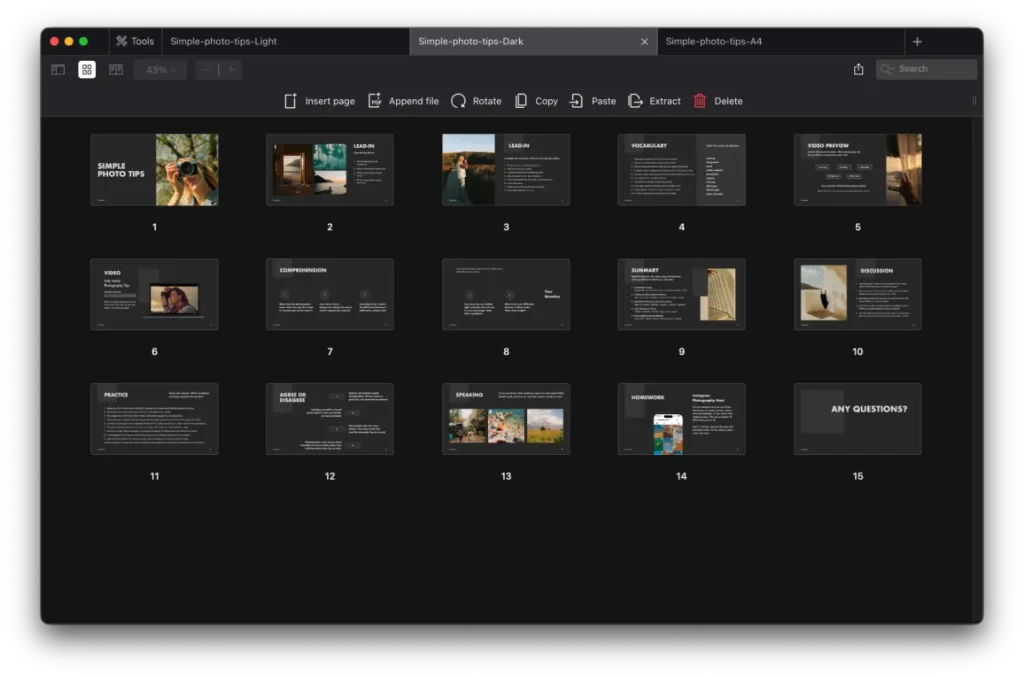
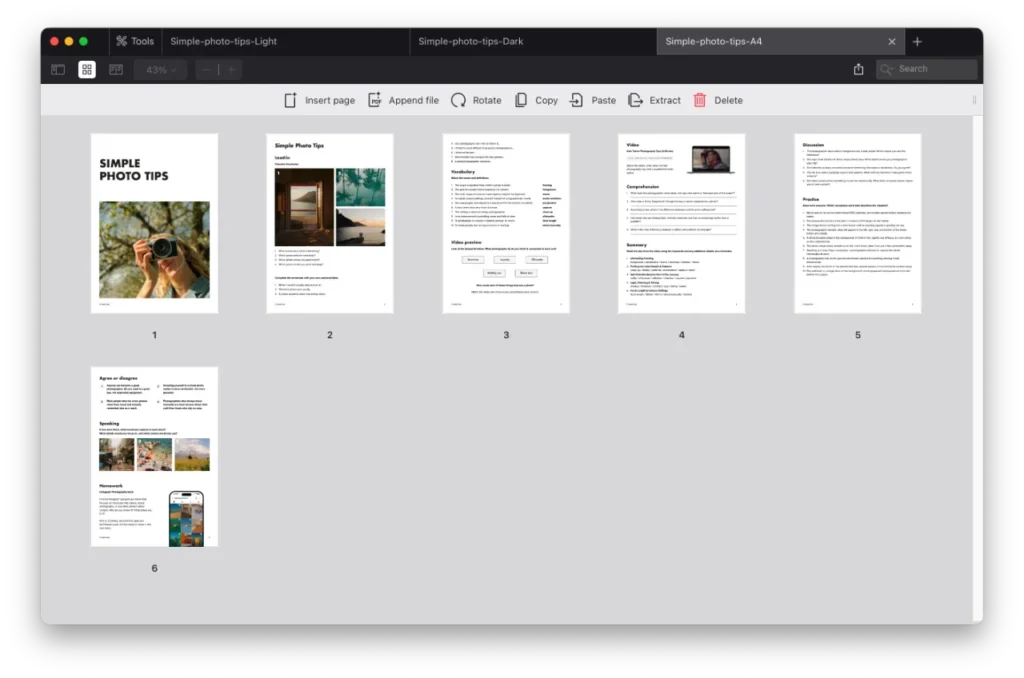
Start with the three lead-in photos. Give students two minutes to look at them and think about what makes each one interesting. Then run the questions as a quick class discussion: which photo tells a story, which one they’d post, which one they’d print. Students will have different answers, and that’s the point. It gets them thinking about how photos create different effects before any vocabulary is introduced.
The vocabulary activity is a definition match, so don’t pre-teach anything. Let students work through it in pairs first. Go over the answers together and use the images from the lead-in to ground the more abstract terms like foreground, framing, and perspective. Students often know these concepts intuitively before they know the words for them.
The video preview slide asks students to predict what photography tip connects to each keyword. This step matters. Students who predict actively engage more with the video than those who jump straight to watching. Keep predictions quick, around two minutes, then play the video. Students write down the five tips while watching. If your group is lower B2, play it twice.
The comprehension questions work best in pairs. Questions 1 through 3 check understanding of the photographer’s specific ideas, including what she means by becoming part of the scene and how she defines a self-portrait versus a selfie. Questions 4 and 5 push students to explain more technical points, like midday light and focal length. Monitor and help where students have trouble recalling the exact details.
The summary activity asks students to retell the tips using the keywords. This is a good speaking warm-up before the main discussion. Keep it brief, three to five minutes per student or pair, then move into the discussion questions. Question 3, about ordinary moments versus famous landmarks, usually sparks a strong debate. Give it space.
Close with the speaking activity using the three new photos. Students describe what they would photograph and how. If time is short, this works well as a pair activity with a quick class report-back at the end.
