
Passion Never Ages
Most people quietly stop doing the things they love at some point, and age is usually the excuse. This B2 ESL lesson plan uses a short video about Marilyn, a 76-year-old water sports athlete in Maui, to get students talking honestly about aging, passion, and the stories we tell ourselves about what’s possible. Students watch a real interview, work through vocabulary in context, and take on a mix of language practice tasks and discussion questions. The lesson wraps up with a writing task where students imagine their life at 75. What makes it stick is the contrast between what society expects and what Marilyn actually does.
Lesson overview
- Practice vocabulary for passion, motivation, and staying active as you age
- Develop listening skills through a real interview with a 76-year-old athlete
- Discuss social attitudes toward aging and what stops people from following passions
- Write a creative paragraph imagining your life and daily routine at age 75
| Level | Vocabulary | Video Length | Lesson Time |
| B2 / Upper-Intermediate | 8 words | 3:55 min | 60-90 min |
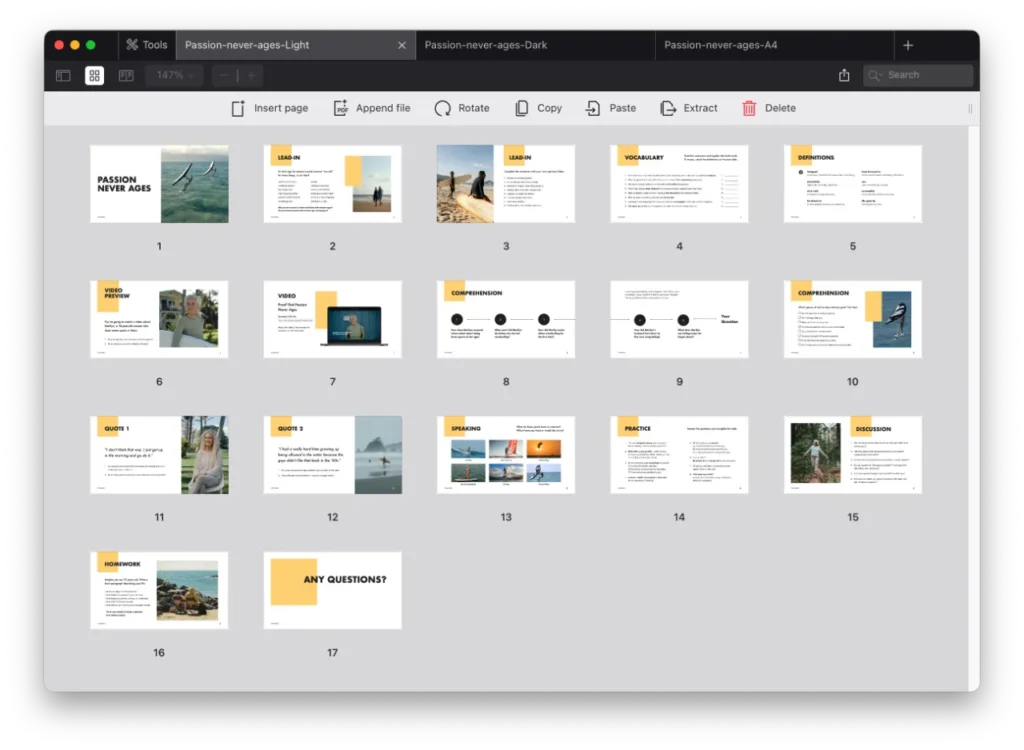
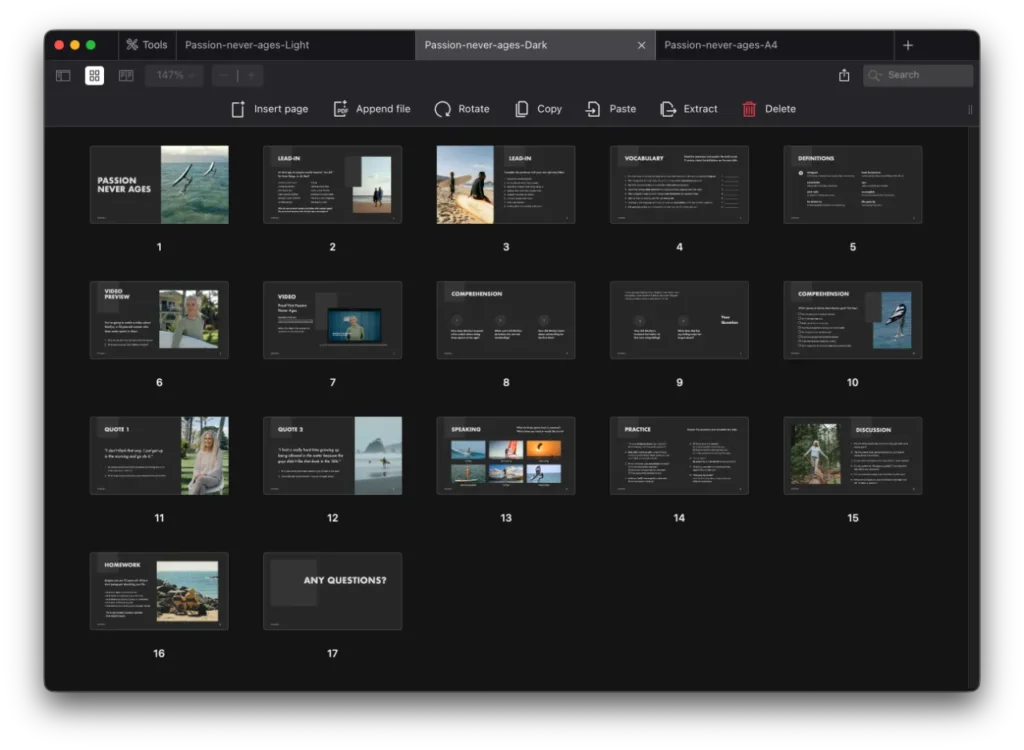
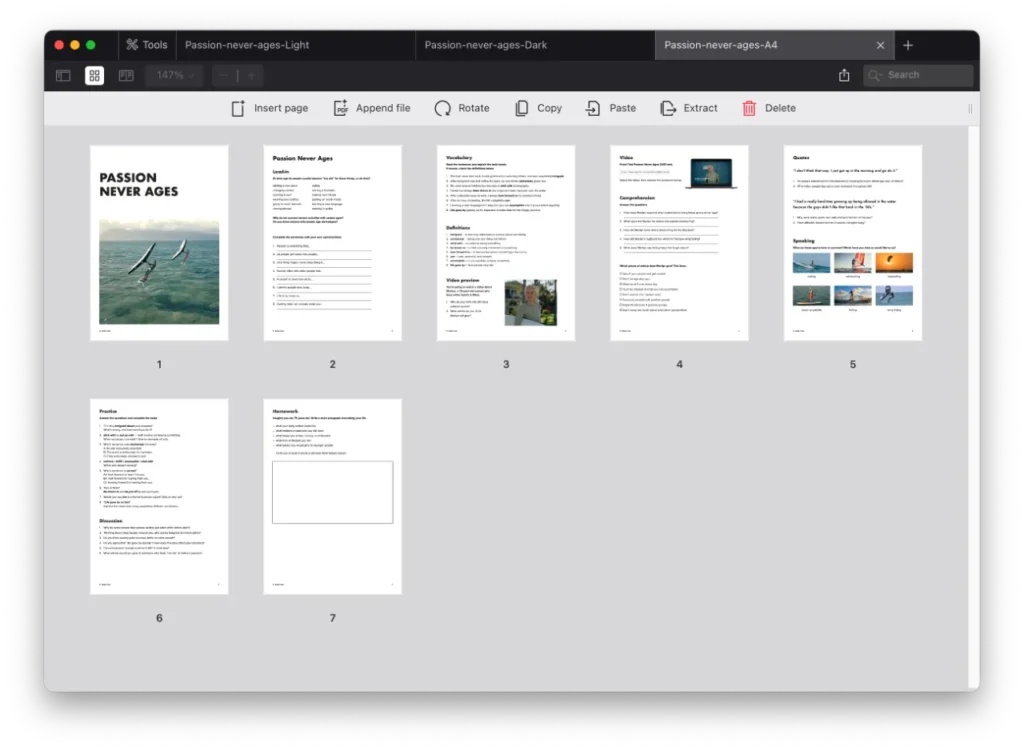
Vocabulary
- intrigued
- exclusively
- stick with
- be drawn to
- look forward to
- zen
- accomplish
- life goes by
Contents
- Lead-in
- Vocabulary
- Definitions
- Video Preview
- Video
- Comprehension
- Quote 1
- Quote 2
- Speaking
- Practice
- Discussion
- Homework
Start with the lead-in activity on age and activities. Students see a list of things like learning to surf, starting a business, or moving abroad, and discuss whether there’s an age limit on them. Pairs or small groups work well here. It’s a low-pressure way in, and most students have strong opinions immediately. Give them 5 to 7 minutes before opening it up to the class.
Move into the vocabulary section next. Students read eight sentences from the video transcript and explain the bold words before checking the definitions. This works better than handing out the definitions first because students try to figure out meaning from context, which is the real B2 skill. Go through each word quickly after, focusing on the ones that cause confusion. Pay extra attention to “stick with” versus “put up with” since students often mix these up.
Before the video, take a minute for the video preview slide. Ask students what they think Marilyn will say and why someone her age might still be doing extreme water sports. This gives them a reason to watch carefully. The video is under 4 minutes and Marilyn speaks clearly, so comprehension should be manageable for B2 learners.
After watching, students answer the comprehension questions and tick the advice Marilyn gives. Use the two quote slides to push the discussion deeper. The first quote about not thinking that way is a good entry point for talking about mindset and self-limitation. The second quote about growing up in the 1960s works well for a conversation about gender in sport, past and present.
The practice section covers vocabulary use in detail: error correction, word choice, grammar, and register. Work through these as a class or in pairs depending on your group’s energy. They’re designed to make students think about how the words actually work, not just what they mean.
Close with the discussion questions and assign the homework paragraph. Encourage students to use at least three vocabulary items from the lesson in their writing.
