
My Best Friend

Some friendships start with a formal introduction. Others start with a dropped box in a hallway. This A2 lesson plan on friendship gives elementary adult learners the vocabulary and speaking confidence to talk about their closest relationships in English. Students match and practice ten key words, including “easy-going,” “trust,” and “keep in touch,” then listen to two short audio monologues from real people describing how they met their best friend. The lesson builds toward a personal speaking task where students create a profile of their own best friend and share it with the class.
Lesson overview
- Practice ten friendship vocabulary words through matching and gap-fill activities
- Listen to two real-life monologues and extract key information using a simple table
- Discuss agree-or-disagree statements about friendship in pairs or small groups
- Create and describe a personal best friend profile in spoken English
| Level | Vocabulary | Audio Length | Lesson Time |
| A2 / Pre-Intermediate | 10 words | 1:24, 1:28 min | 60 min |
Vocabulary
- classmate
- neighbor
- hang out
- trust
- have a lot in common
- easy-going
- by chance
- keep in touch
- introduce
- get along (well)
Contents
- Lead-in
- Lead-in (tick activity)
- Vocabulary
- Practice
- Audio 1
- Audio 2
- Comprehension
- Agree or Disagree
- Speaking
- Your Friend
- Practice
- Writing
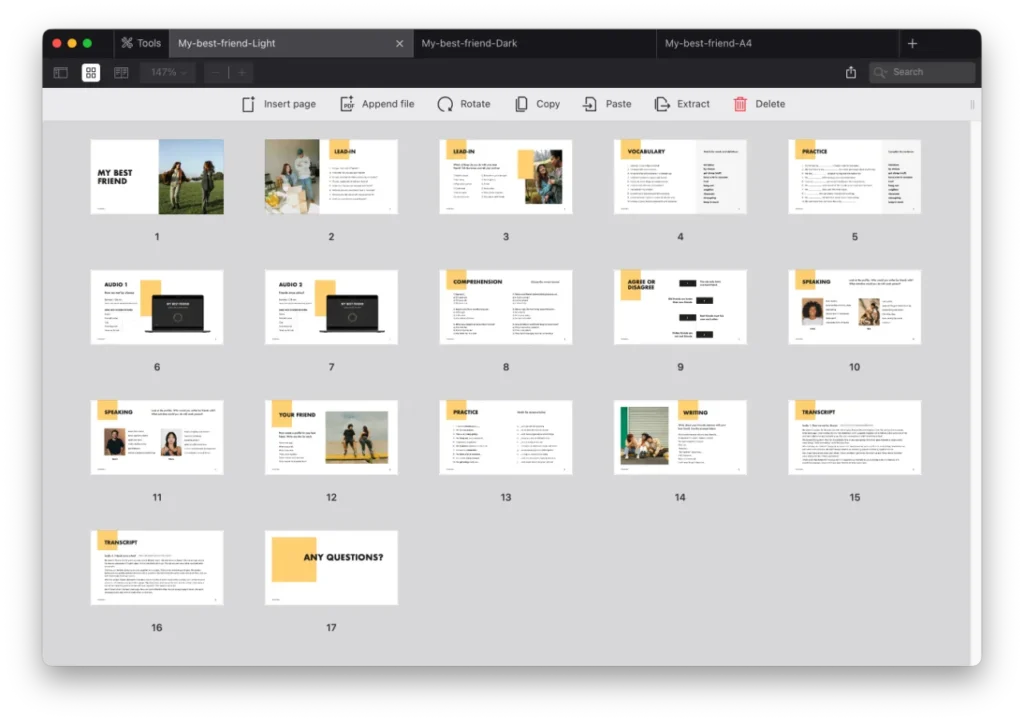
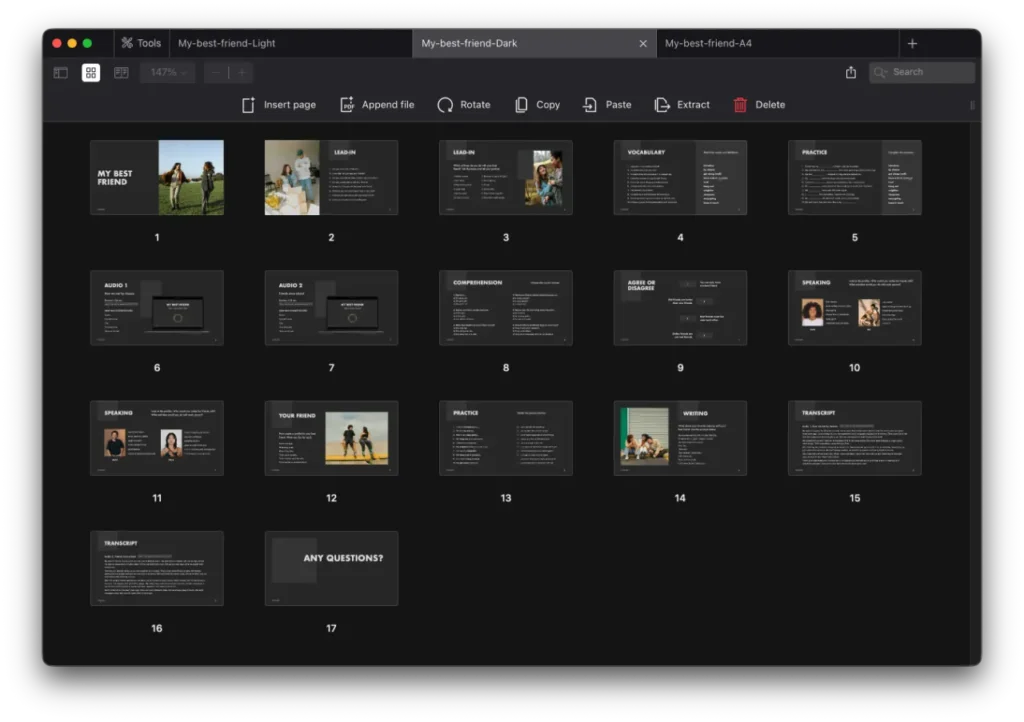
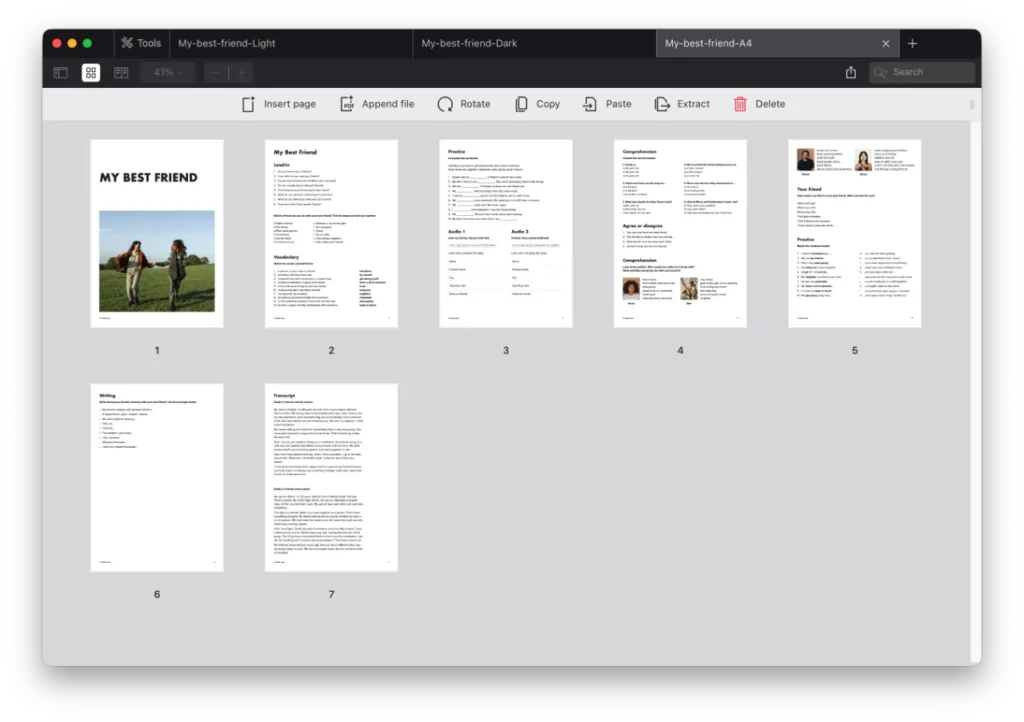
Start with the lead-in questions to get students talking from the beginning. There are two options: open questions and a checkbox activity where students tick what they do with their best friend. The checkbox works well for quieter groups because students tick first, then share. It lowers the pressure. Give them two to three minutes, then open it up for brief class feedback.
The vocabulary section has ten words and definitions to match. Students do this alone first, then check with a partner. A2 learners often know more than they show when they have a moment to think. After checking answers, go straight into the Practice section, which uses the same ten words in complete sentences. This repetition is deliberate. It helps the vocabulary stick and builds confidence before the listening. Read through the completed sentences aloud as a class to work on pronunciation at the same time.
For the audio tasks, students listen to two short monologues and complete a simple table with five details: name, friend’s name, city, how they met, and years as friends. Play each audio twice. The comprehension questions that follow check understanding at sentence level. These work well as pair discussion before whole-class feedback. The agree-or-disagree statements are a good bridge between the listening and the speaking tasks. Students have just heard from Sophie and Marco, so they can connect the statements back to those real examples.
The two speaking activities use friend profiles with short descriptions of different personality types. Students pick who they would rather be friends with and explain why. There is no right answer, which keeps the pressure low and gets students talking more freely. Finish with the writing task, where students describe a favorite memory with their best friend. The sentence prompts make this accessible for A2 learners who find open-ended writing difficult. It works well in class or as homework.
