
Everyone Has a Story

The best storytellers don’t have more interesting lives than everyone else. They just know when to pause, where to start, and which moment changed everything. This B1 storytelling lesson gives students a five-part structure to work with and the phrases to go with it. They hear two real-style audio stories about a travel mix-up and a cooking disaster, fill in comprehension tables, and practice vocabulary like turning point, ended up, and managed to. Three guided speaking tasks at the end push every student to find a story worth telling from their own life.
Lesson overview
- Learn a five-part storytelling structure with key phrases and vocabulary
- Listen to two audio stories and analyze how each one is built
- Practice vocabulary like turning point, ended up, and managed to
- Tell three personal stories using guided prompts and storytelling phrases
| Level | Vocabulary | Audio Length | Lesson Time |
| B1 / Intermediate | 8 words | 1:24, 1:09 min | 60 min |
Vocabulary
- turning point
- end up
- unexpected
- realize
- manage to
- setting
- solution
- event
Contents
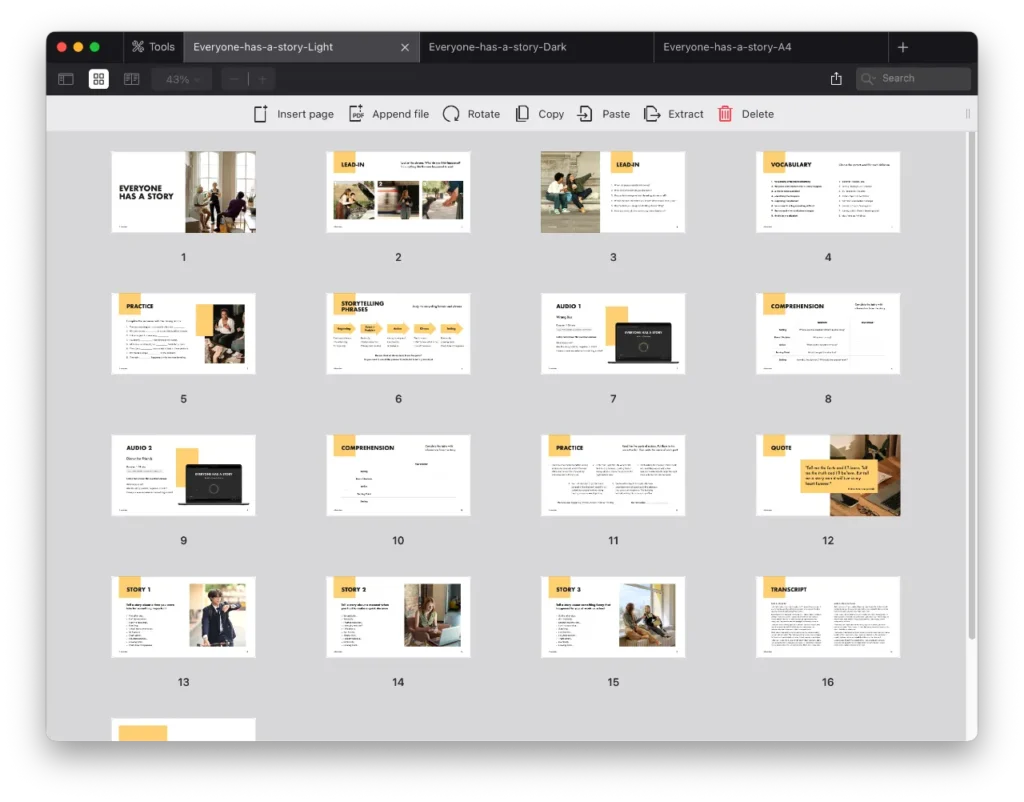
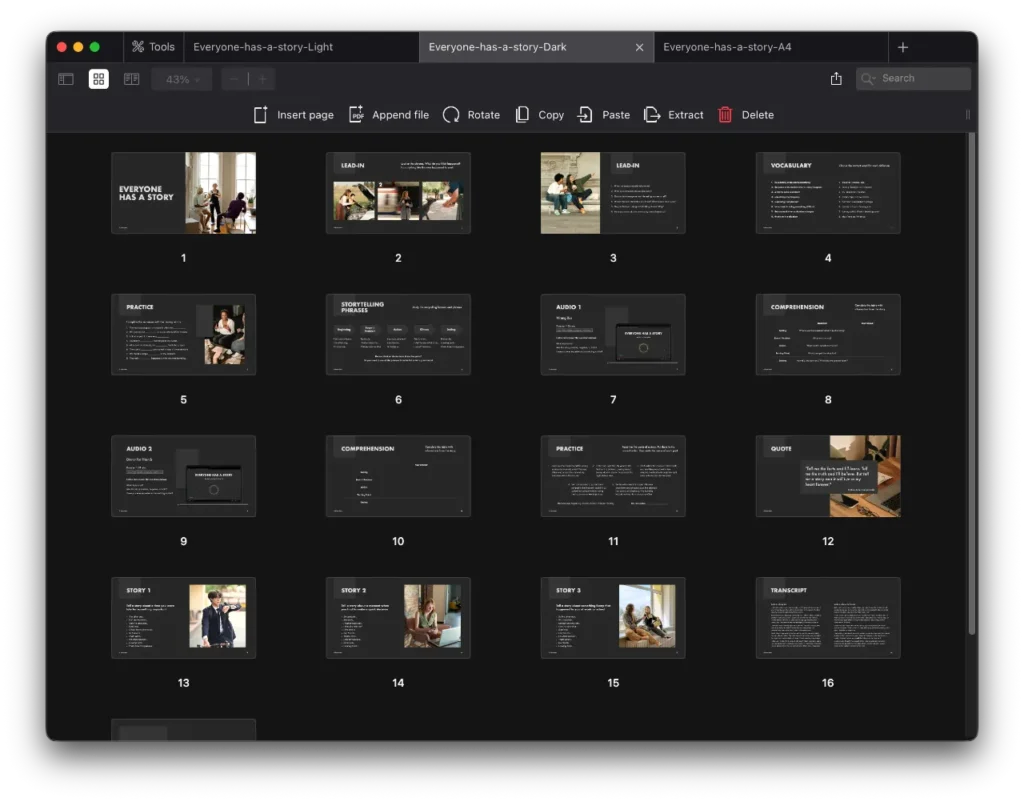
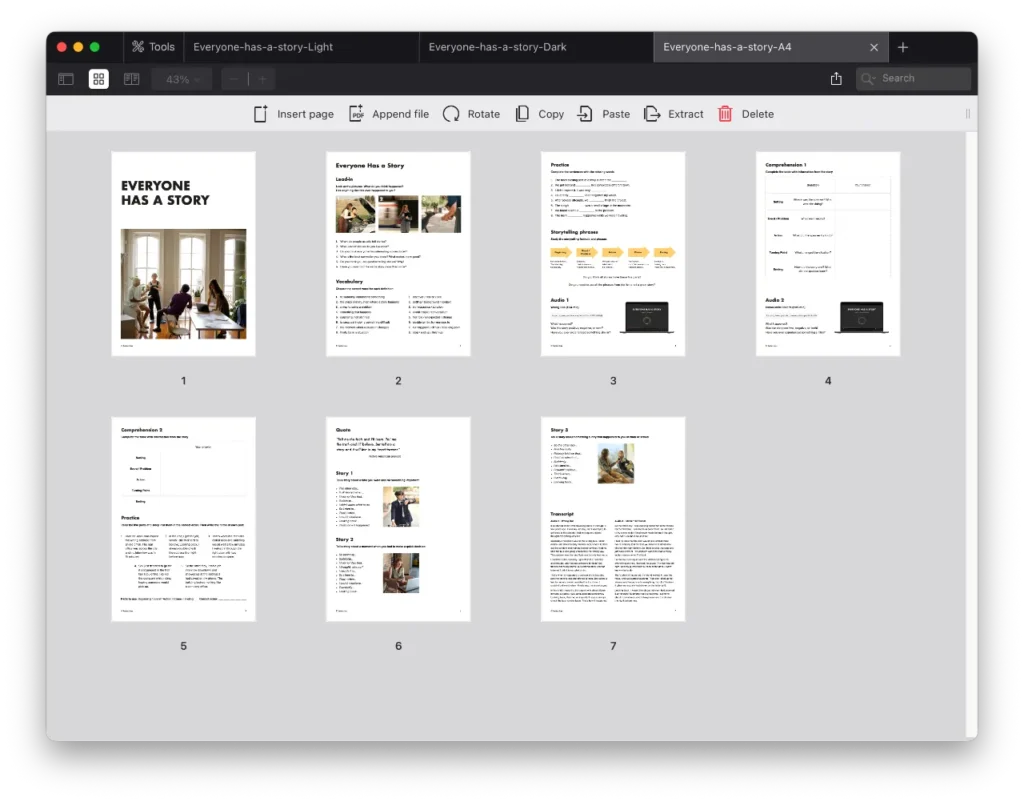
- Lead-in
- Vocabulary
- Practice
- Storytelling Phrases
- Audio 1 – Wrong Bus
- Comprehension
- Audio 2 – Dinner for Friends
- Comprehension
- Practice
- Quote
- Story 1
- Story 2
- Story 3
- Transcript
The lead-in works well as an opener. Show students the three pictures and ask them to guess what happened in each one. This gets them talking right away and creates a natural bridge to the lesson topic. The follow-up questions about storytelling habits work well in pairs or small groups. Give students two or three minutes to discuss before taking quick feedback from the class.
Move on to vocabulary before any listening. The matching and sentence completion exercises cover eight key words: turning point, ended up, unexpected, realized, managed to, setting, solution, and event. These words come up in both audio stories, so it helps to nail them down first. The definitions are clear and the multiple-choice options are close enough to make students think. Check answers together and ask students to make a quick example sentence for two or three words they found tricky.
The storytelling formula slide is worth spending time on. Walk students through the five parts: beginning, event, action, climax, and ending. Then look at the phrase bank together and ask which phrases they have heard in English before. Play Audio 1 and have students complete the comprehension table. This is a good B1 listening task because it trains students to follow story structure, not just pick up random facts. Play Audio 2 and repeat the same table task. After both stories, the practice activity asks students to put a scrambled story in order and label the five parts. This works well individually before checking in pairs.
The three speaking tasks at the end are the heart of the lesson. Each prompt gives students a different type of personal story to tell. The phrase banks help B1 learners structure their ideas without feeling stuck. Give students a minute to think before they speak.
