
Why Gold Matters Now
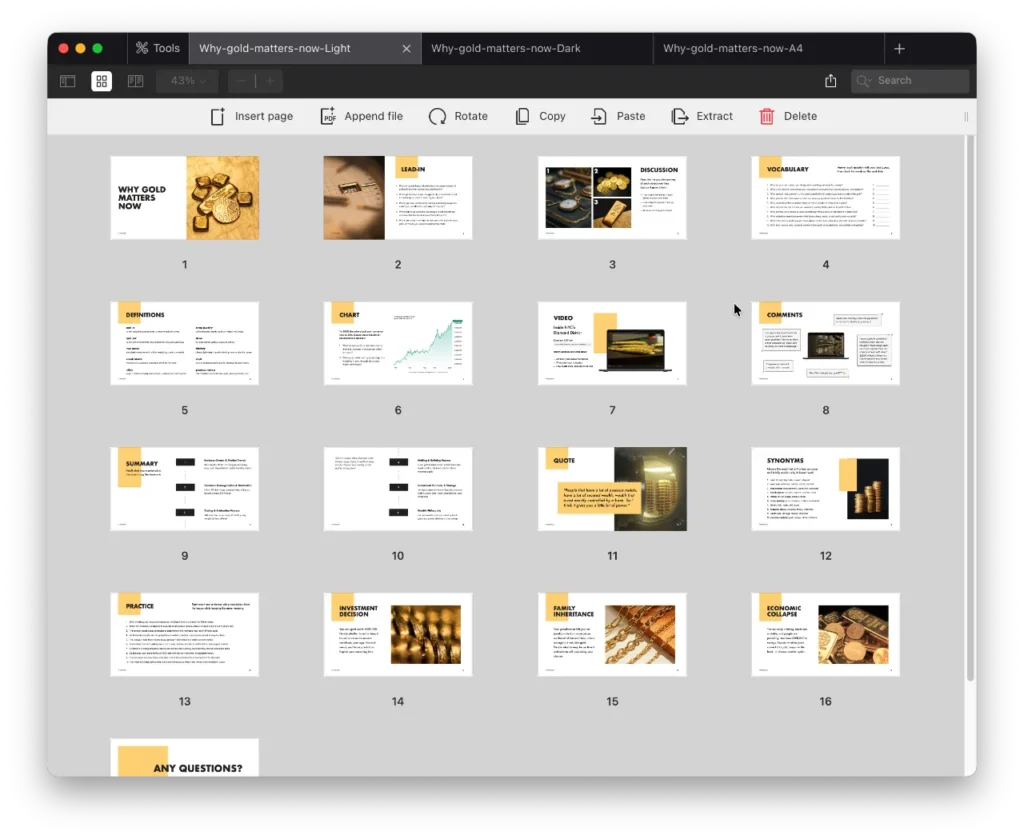
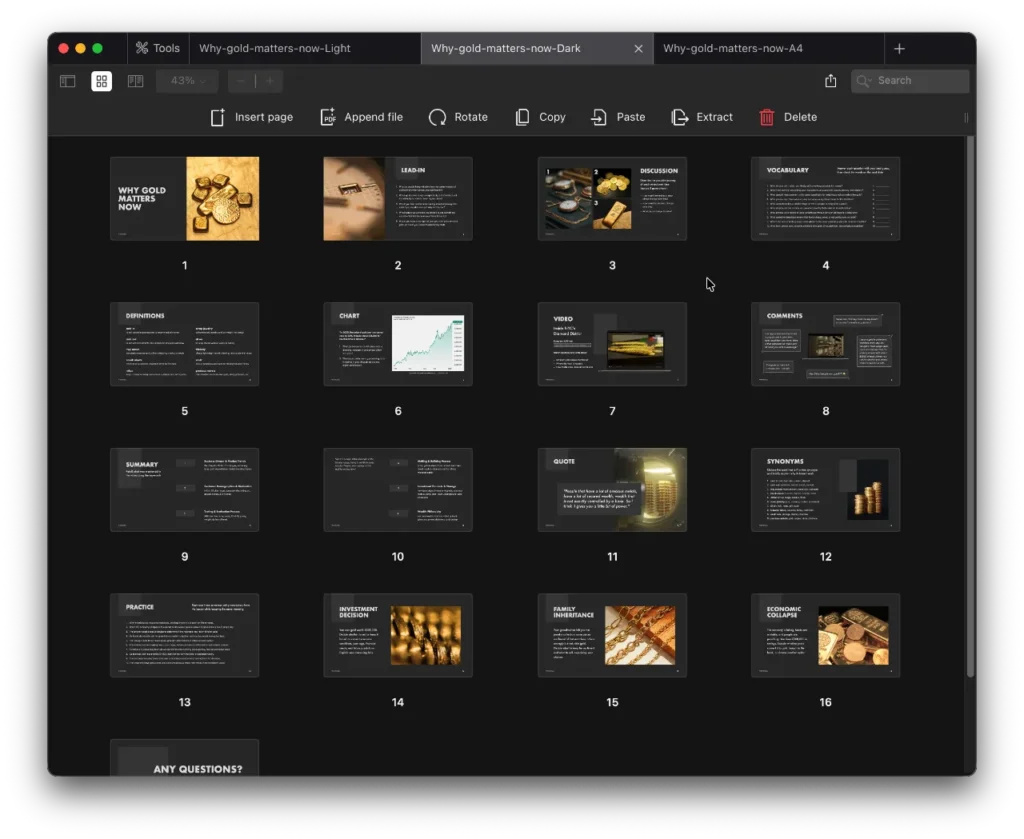
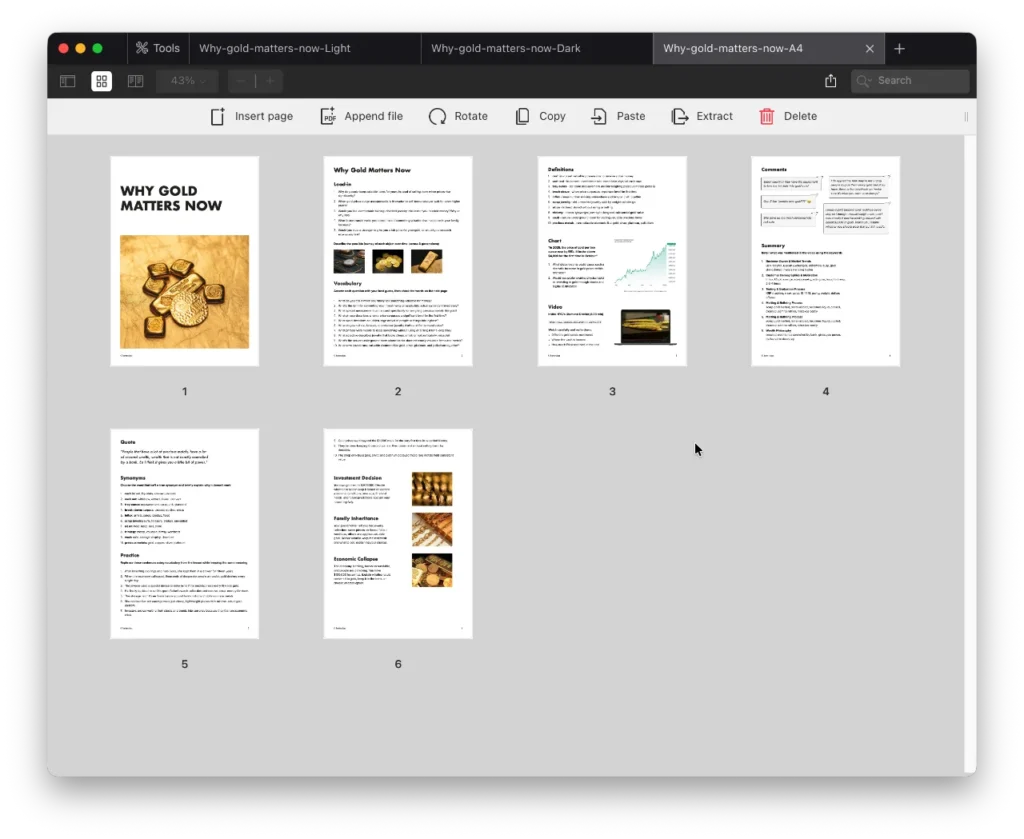
This C1 lesson examines why gold matters through a video about NYC’s Diamond District where people cash in scrap jewelry. Students learn vocabulary like “troy ounce,” “cash out,” and “precious metals,” then analyze why gold prices broke above $4,000 in 2025. The activities include discussing object value across generations, retelling video segments using keywords, synonym elimination, and three economic dilemmas about selling inherited jewelry or converting savings.
Lesson overview
- Build financial vocabulary related to precious metals trading, investment conversion, and market trends
- Watch a Diamond District video showing testing, melting, refining, and vault storage processes
- Practice advanced rephrasing by transforming ten sentences while preserving meaning using lesson vocabulary
- Develop critical thinking through three dilemmas about selling gold worth $300,000 or converting savings during economic collapse
| Level | Vocabulary | Video Length | Lesson Time |
| C1 / Advanced | 10 words | 4:39 min | 60-70 min |
Vocabulary
- cash in
- cash out
- troy ounce
- break above
- influx
- scrap jewelry
- sit on
- trinkety
- vault
- precious metals
Contents
- Lead-in
- Discussion
- Vocabulary
- Definitions
- Chart
- Video
- Comments
- Summary
- Quote
- Synonyms
- Practice
- Scenarios
Start with questions about why people keep valuables instead of selling during price surges and whether students would turn inherited jewelry into cash. The discussion shows three objects across three generations. Students describe how ownership, purpose, and value might change over time.
The vocabulary section presents ten questions requiring students to guess terms before checking answers. Words include “cash in” (sell for money), “troy ounce” (precious metals measurement), “break above” (surpass significant price level), “influx” (sudden large arrival), and “vault” (secure underground storage). The chart shows gold’s 58% price rise in 2025, breaking above $4,000 for the first time. Students discuss what global events cause such dramatic increases.
The video runs 4:39 minutes showing NYC’s Diamond District where business owner Ben Tseytlin explains an influx of people aged 65+ selling scrap jewelry they’ve been sitting on for years. The XRF machine tests gold purity in carats, scrap gets melted with borax, and customers receive cash. New buyers purchase investment-grade bars stored in underground vaults holding tens of millions. Students write down different carats mentioned, vault location, and how much Erica received.
Comments show reactions ranging from Gen Z surprise that people own gold to someone calculating they wear $2,000 daily in jewelry. The summary section divides the video into six keyword groups: business trends, customer demographics, testing process, melting/refining, investment products, and wealth philosophy. Students retell each segment using provided keywords like “influx,” “scrap jewelry,” “XRF machine,” “borax,” “vault underground,” and “secured wealth.”
The synonym exercise lists ten vocabulary words with four options. Students identify which isn’t a true synonym and explain why. For example, “deposit” doesn’t work for “cash in” because depositing puts money into a bank rather than converting assets to cash. Practice provides ten sentences to rephrase using lesson vocabulary while keeping meaning intact.
Three dilemmas test decision-making: owning gold worth $300,000 and deciding whether to sell based on economic conditions and age, inheriting jewelry with beautiful worthless pieces versus ugly valuable gold, and facing economic collapse with $100,000 savings while deciding whether to convert to gold or keep in unstable banks.
