Who Defines Normal?

Who defines normal Video Cover

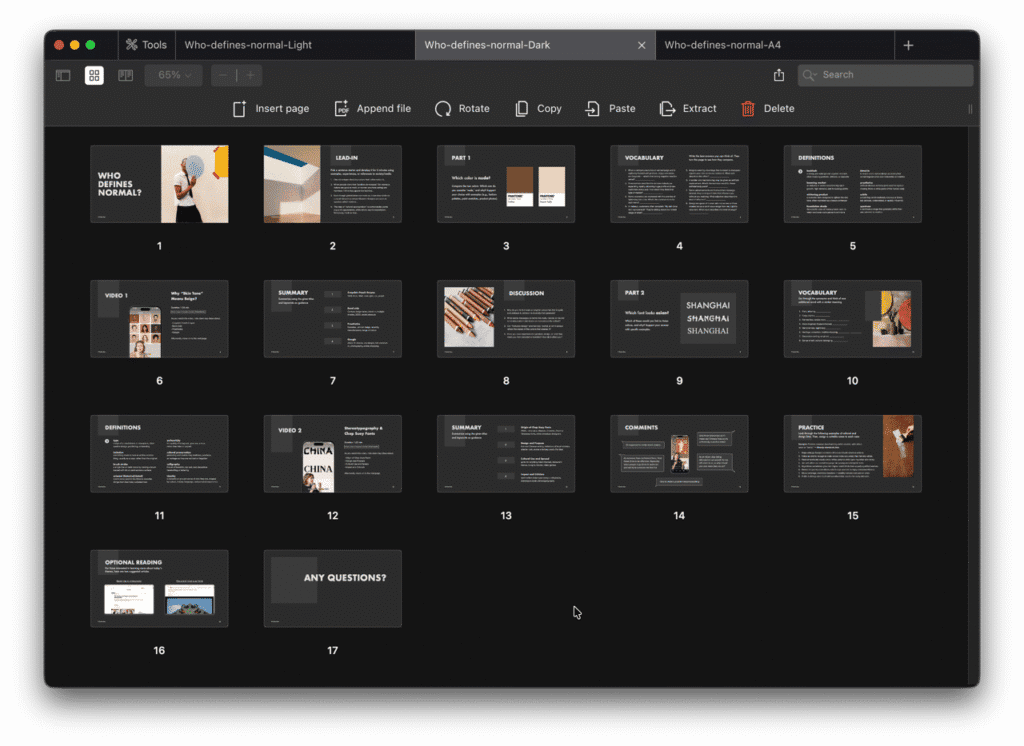
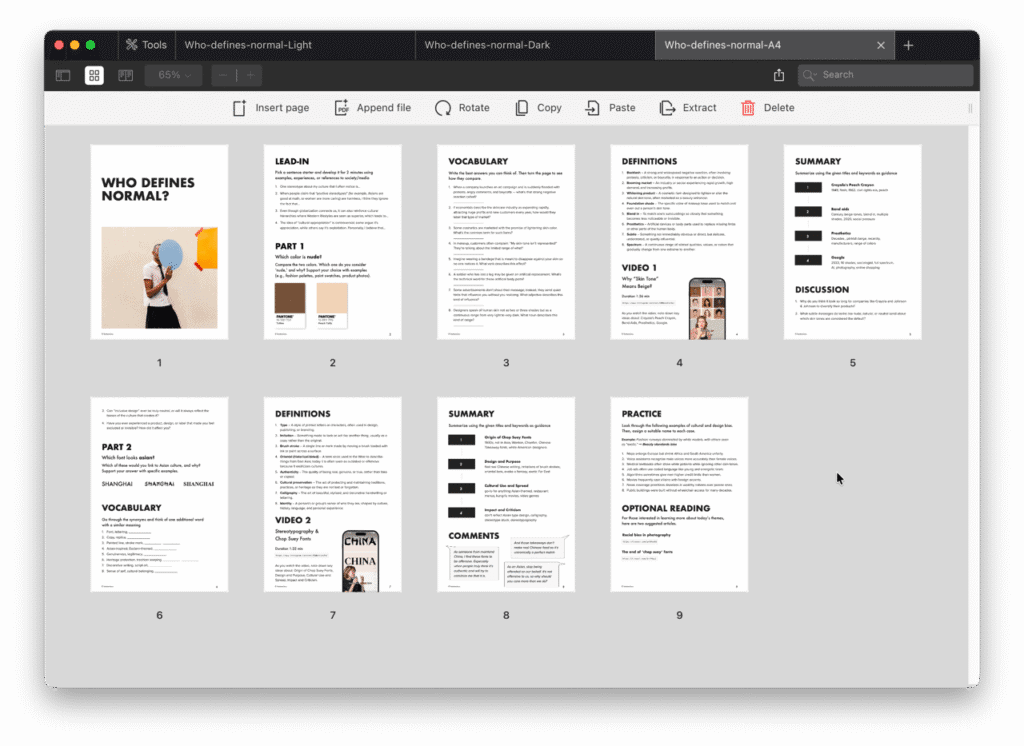
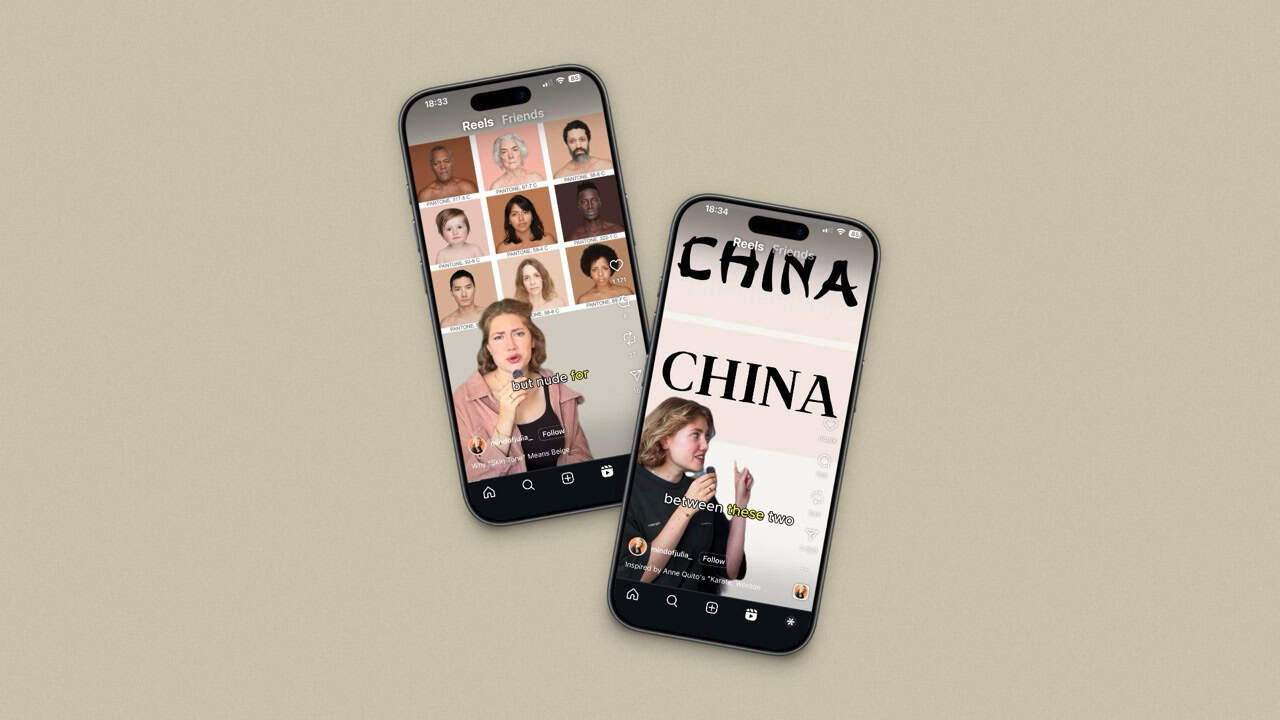
This C1 lesson is based on two Instagram reels that explore hidden cultural biases in everyday design. The first reel looks at how products like Crayola’s “flesh” crayon, Band-Aids, and prosthetics long assumed whiteness as the default, until changes came after social pressure. The second reel examines “chop suey” fonts such as Wonton and Chaofan, created by white American designers in the 1930s to imitate Asian brush strokes and sell an exotic fantasy of the Far East. Students will compare these two cases to see how design choices in colors and typefaces shape stereotypes, reinforce exclusions, and affect cultural identity. The lesson combines video input, guided discussion, and critical thinking tasks to push learners beyond surface observations and into deeper analysis.

💡 Teaching tip: Send your students a podcast recap after class. Listening to the material again feels way less like studying and way more like a friendly review that actually helps them remember and feel more confident.

Student's Version (Light/Dark)

Teacher's Version (Answer Keys)

Printable Classroom Version (A4)

LevelVocabularyVideo LengthLesson Time
C1 / Advanced16 words1:36 and 1:22 min60-90 min

Vocabulary

  • Backlash
  • Booming market
  • Whitening product
  • Foundation shade
  • Blend in
  • Prosthetics
  • Subtle
  • Spectrum
  • Type
  • Imitation
  • Brush Stroke
  • Oriental
  • Authenticity
  • Cultural Preservation
  • Calligraphy
  • Stereotypography
  • Identity

Contents

  • Lead-in
  • Part 1
  • Vocabulary
  • Definitions
  • Video 1
  • Summary
  • Discussion
  • Part 2
  • Vocabulary
  • Definitions
  • Video 2
  • Summary 
  • Comments
  • Practice
  • Optional reading

Teaching guide

Lead-in, Part 1
This advanced lesson plan about stereotypes and bias begins with four sentence starters. The students need to pick one and develop it for two minutes, using an examples experiences or references from real life, society or social media. All sentence starters are related to stereotypes. The next part features two colors and the students need to examine them compare and decide which of these colors they consider nudes and why they need to explain why they think so.

Vocabulary, Definitions
They end the vocabulary page. The students have eight questions questions, guiding questions. They need to come up with the best answer that they can think of they don’t have to be 100% accurate. The goal is to answer all the questions when they do that they can go to the next page and check the definitions and discuss the words they didn’t know or the other words they thought about.

Video 1, Summary, Discussion
In the first video which is centered around skin tones, the sentences need to watch and take notes on key ideas after that then go to the next page then summarize using the titles and keywords. The goal is to use all the titles and all the keywords as they provide a good summary following this page. There are four discussion questions to explore the topic of skin tones, inclusive design, and feeling excluded.

Part 2
The second part of this lesson continuous with exploring three different fonts the students need to pick a font that looks most Asian to them or represents Asian culture and they need to support their answer with specific examples

Vocabulary, Definitions
They have vocabulary task is a bit different from the previous one. The students have two synonyms and they need to think of one additional words with a similar meaning if they say one blank space it means they need to think of one word if they see two blank spaces then they have to write down two words after they complete. They need to check the answers with the definitions on the next page.

Video 2, Summary, Comments
The second video in this lesson is centered around stereography and chops away fonts this is need to watch the video and take notes on the suggested ideas afterwards they have to summarize the content using the titles and the keywords on this page. There are more keywords which can make summarizing a bit easier once they complete this task they discussed the comments on the next page featuring different opinions. Some comments are really provocative, and the students can agree or disagree with them.

Practice
The practice page features eight statements, eight different types of cultural and designed bias. The students need to identify what kind of bias is it whether it’s gender, bias, global bias, beauty, standard bias, etc. the example is provided multiple answers are possible.

Optional reading
Finally, the last part of this lesson is an optional reading. If you have a long lesson, you can extended by exploring one of these articles or you can assign them as homework or just leave it optional for further exploration by your students of the guy interested in the topic the first video the second video was based on one of these article articles and then there is another one about racial bias in photography, which is really interesting to explore.

Podcast
The podcast is AI-generated audio discussion centered on the lesson topic. Featuring clear, high-quality voices, it’s designed as an optional study tool. Students may listen before class for preview purposes or after class for reinforcement, based on their learning preferences.

Oleg

Since 2012, I’ve been teaching English online, connecting with students across Asia and Europe. Over the years, I’ve shifted my focus to corporate English, helping professionals refine their communication skills. My lessons are infused with my interests in tech, global issues, and sports, offering a mix of challenges and engaging discussions.