Where Time Really Goes

Lesson overview
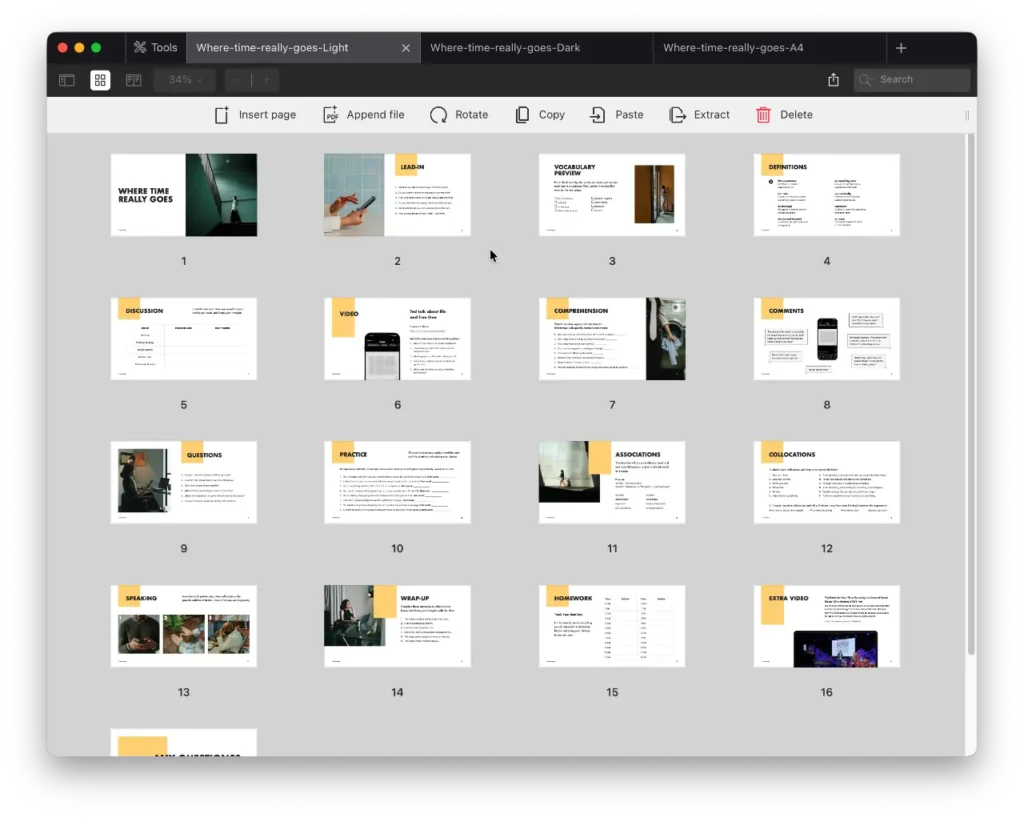
Explore how we actually spend our time in this eye-opening intermediate ESL lesson about daily life, screen time, and life priorities. Students watch a compelling one-minute video revealing that the average 18-year-old spends 93% of their free time looking at screens, then discuss whether this applies to them through engaging activities. This B1 lesson plan includes vocabulary practice with time collocations like “waste time” and “lose track of time,” authentic video comments for critical thinking, and personalized speaking tasks where students reflect on their own habits and time management choices.
| Level | Vocabulary | Video Length | Lesson Time |
| B1 / Intermediate | 8 words | 1:00 min | 60 min |
Vocabulary
- life expectancy
- estimate
- on average
- on average
- chores and errands
- personal hygiene
- optimistically
- represent
- on pace
Collocations
- run out of time
- lose track of time
- worth your time
- waste time
- kill time
- make time for something
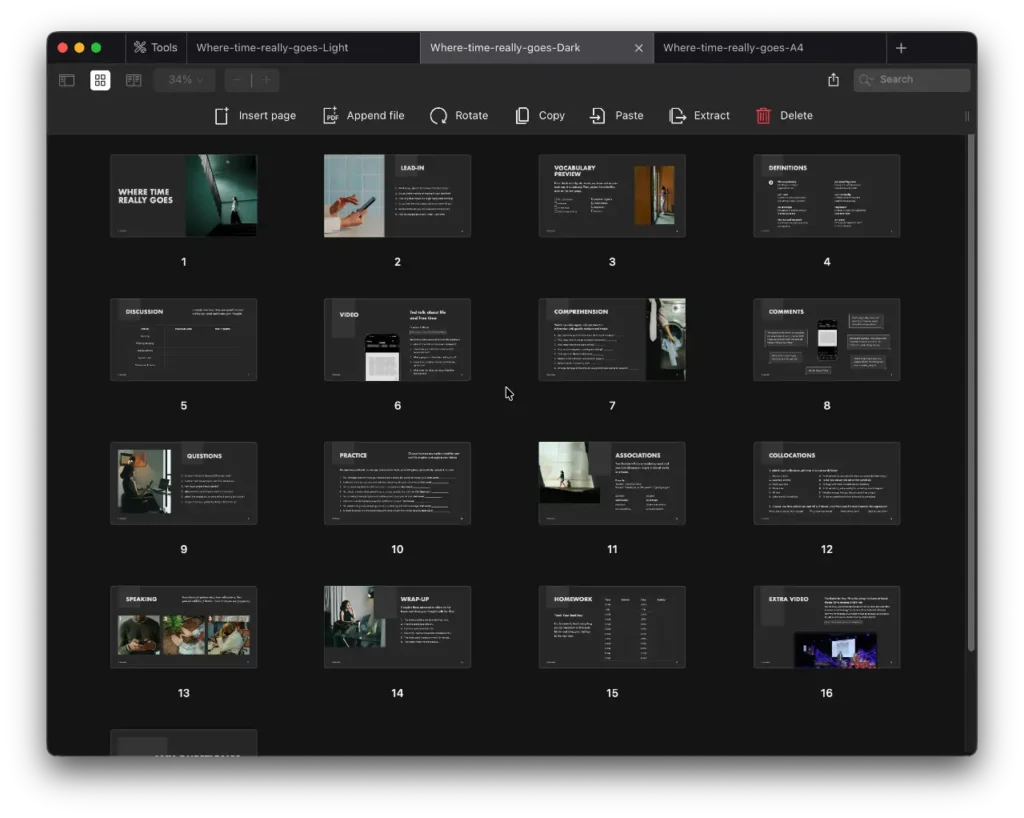
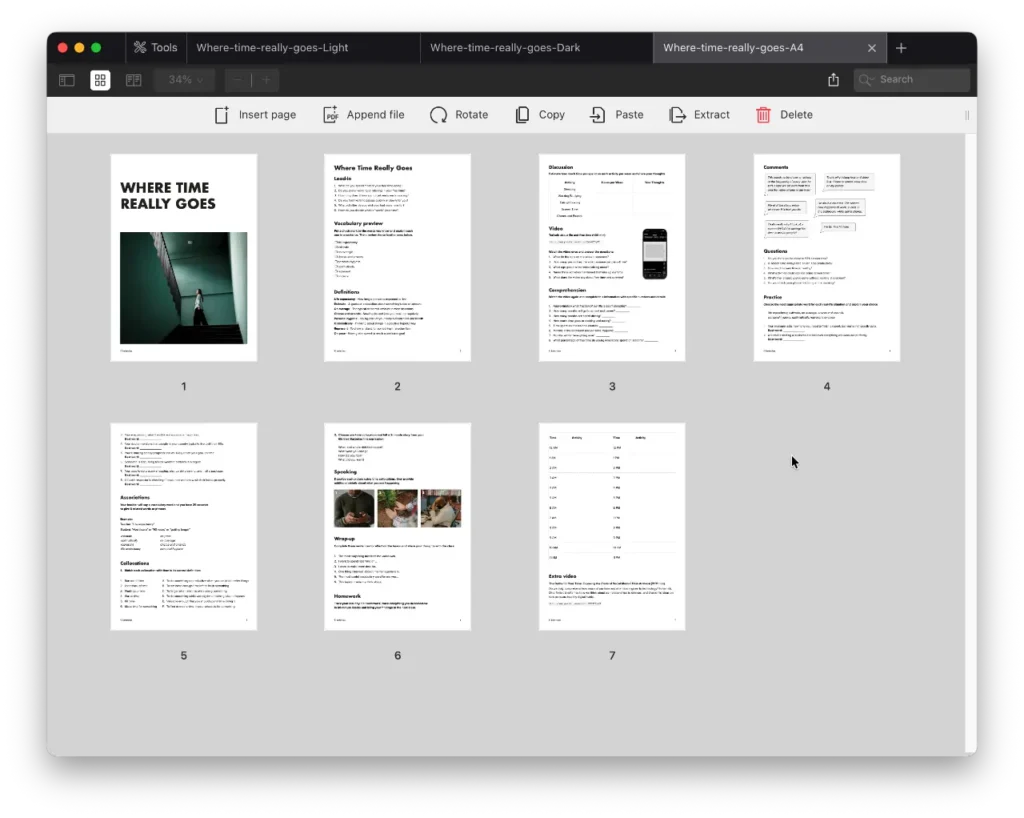
Contents
- Lead-in
- Vocabulary preview
- Definitions
- Discussion
- Video
- Comprehension
- Comments
- Questions
- Practice
- Associations
- Collocations
- Speaking
- Wrap-up
- Homework
- Extra video
Teaching guide
Lead-in
This time ESL lesson begins with six engaging warm-up questions designed to activate students’ prior knowledge about time management and daily routines. The lead-in questions are carefully crafted for B1 intermediate learners, starting with concrete, personal topics like morning routines and moving toward more reflective questions about time perception. As students discuss these questions in pairs or small groups, they naturally begin using present simple tense and time-related vocabulary. This stage typically takes 8-10 minutes and sets the context for the entire lesson about screen time and life priorities. Teachers should encourage students to elaborate on their answers rather than giving yes/no responses, building conversational fluency from the start of this intermediate lesson plan.
Vocabulary preview, Definitions
The vocabulary preview section introduces eight essential words that students will encounter in the video: life expectancy, estimate, on average, chores and errands, personal hygiene, optimistically, represent, and on pace. This pre-teaching strategy is crucial for B1 ESL learners because it removes linguistic barriers before they watch the video content. Students first self-assess their knowledge by checking off familiar words and trying to explain them, which activates existing vocabulary and builds confidence. The definitions provided are intentionally concise (under 9 words each) to ensure comprehension without overwhelming learners. Teachers should spend about 5-7 minutes here, encouraging students to create example sentences with the words they already know, which makes the learning more memorable and contextual for this time management lesson.
Discussion, Video, Comprehension
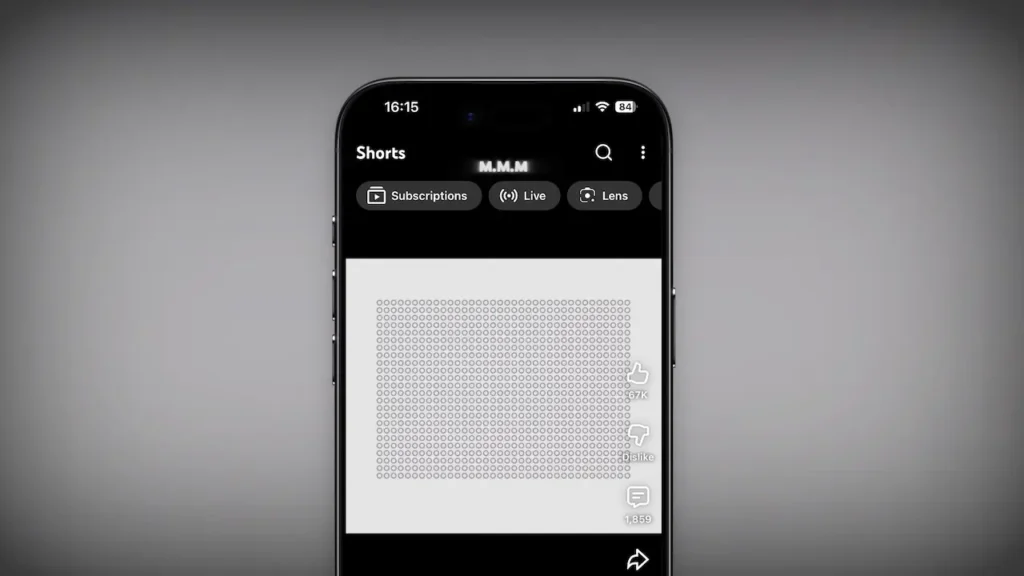
This section combines three interconnected activities that form the core of the free time lesson plan. The Discussion activity has students estimate their weekly time usage across five key categories: sleeping, working/studying, eating/cooking, screen time, and chores/errands and then reflect on these numbers. This personalization makes the upcoming video more relevant and impactful. The Video section features a one-minute TED talk where students watch for gist, answering five general comprehension questions about the main message. On the second viewing, the Comprehension task requires students to extract specific numerical data about how an average life breaks down in months. This scaffolded approach (from personal estimation to general understanding to detailed facts) is ideal for intermediate ESL students. The entire sequence takes approximately 20-25 minutes and directly addresses the lesson’s central theme about screen time and life priorities.
Comments, Questions
After watching the video twice, students encounter five authentic YouTube comments that offer diverse perspectives on the video’s message: some humorous, some defensive, and some reflective. This intermediate lesson plan activity develops critical thinking skills as B1 learners evaluate others’ opinions and form their own responses. The six follow-up questions specifically target the video’s most shocking statistic about 93% screen time, asking students whether this applies to them, whether all screen time is problematic, what constitutes healthy usage, and what alternatives exist. Teachers should facilitate this as a whole-class discussion or divide students into small groups, dedicating 10-12 minutes to this stage. This section is particularly valuable because it moves beyond simple comprehension into analysis and personal reflection, which are key skills for intermediate ESL learners exploring habits and free time management.
Practice, Associations
The Practice section offers two distinct vocabulary reinforcement activities using the eight target words from this time management ESL lesson. In the first task, students match words to real-life scenarios like choosing “estimate” when a manager asks about project timelines or “optimistically” for someone starting a business who expects success. This contextual practice helps intermediate learners understand not just definitions but appropriate usage in natural situations. The Associations activity is a fast-paced speaking game where teachers call out vocabulary words and students have 25 seconds to produce three related words or phrases, building semantic networks around each term. For example, hearing “life expectancy” might trigger “healthcare,” “90 years,” or “getting longer.” These activities together take about 15 minutes and ensure students can actively use the vocabulary rather than just recognize it, which is essential for B1 level retention and fluency.
Collocations, Speaking
This section introduces six essential time collocations that B1 intermediate students need for natural English conversation: run out of time, lose track of time, worth your time, waste time, kill time, and make time for something. The matching activity with definitions ensures comprehension before production. The real power of this free time lesson plan comes in the Speaking task, where students choose one collocation and tell a two-minute personal story illustrating that expression. The guided questions—when/where it happened, what they were doing, how they felt, what they learned—provide scaffolding for less confident speakers while allowing stronger students to elaborate freely. Following this, students describe three different pictures using the time collocations they’ve learned, which adds variety and visual context. This section typically runs 10-15 minutes and represents the lesson’s peak communicative activity, where students synthesize vocabulary, grammar, and personal experience into extended speaking practice about habits and time management.
Wrap-up
The Wrap-up section provides essential closure to this intermediate ESL lesson about screen time and life priorities. Students complete six reflection prompts that require them to process what they’ve learned and apply it personally, identifying the most surprising video fact, areas where they want to spend less or more time, key time management insights, their most useful new vocabulary word, and broader reflections the lesson triggered. Teachers should allow 8-10 minutes for students to write brief responses and then share selected ones with the class. This metacognitive reflection is particularly important for B1 learners because it consolidates learning and creates personal relevance. Rather than the lesson simply ending after the speaking activity, this structured reflection helps students internalize the content and consider actual behavior changes, which is the ultimate goal of this free time lesson plan focused on how we really spend our days.
Homework, Extra video
The Homework assignment extends the lesson’s impact by asking students to track their real day in 60-minute blocks, documenting every activity from midnight to 11 PM. This practical time audit transforms the abstract video statistics into concrete personal data that students bring to the next class for discussion and comparison. The tracking table provided makes this task straightforward for intermediate learners to complete. Additionally, the lesson offers an Extra video option—an 11-minute TED talk by Dino Ambrosi titled “The Battle for Your Time: Exposing the Costs of Social Media.” This optional extension is perfect for classes with extra time or for assigning as homework to advanced B1 students who want to explore the screen time topic more deeply. The Ambrosi talk connects directly to the lesson’s themes about technology and attention, offering a natural continuation of the conversation about free time management and digital habits that began with the shorter video.