
What’s in Our Food?
This B2 lesson looks at what actually goes into the food we buy. Students compare grocery products in the US and Europe, discuss food regulations and additives, and debate who has the real power to change what ends up on supermarket shelves. The lesson works well for adults who shop regularly and have strong opinions about food quality.
Lesson overview
- Compare real ingredient lists from US and European grocery products
- Practice key vocabulary for food additives, regulations, and processing levels
- Discuss whether consumers or governments actually drive food quality changes
- Debate which harmful ingredients should be removed from supermarket shelves
| Level | Vocabulary | Video Length | Lesson Time |
| B2 / Upper-Intermediate | 8 words | 3:56 min | 60 min |
Vocabulary
- Ultra-processed food
- Additives
- Engineered
- Appealing
- Staples
- Food dyes
- Muted (colors)
- Heavily regulated
Contents
- Lead-in
- Vocabulary preview
- Definitions
- Video
- Questions
- Discussion
- Practice
- Speaking
- Homework
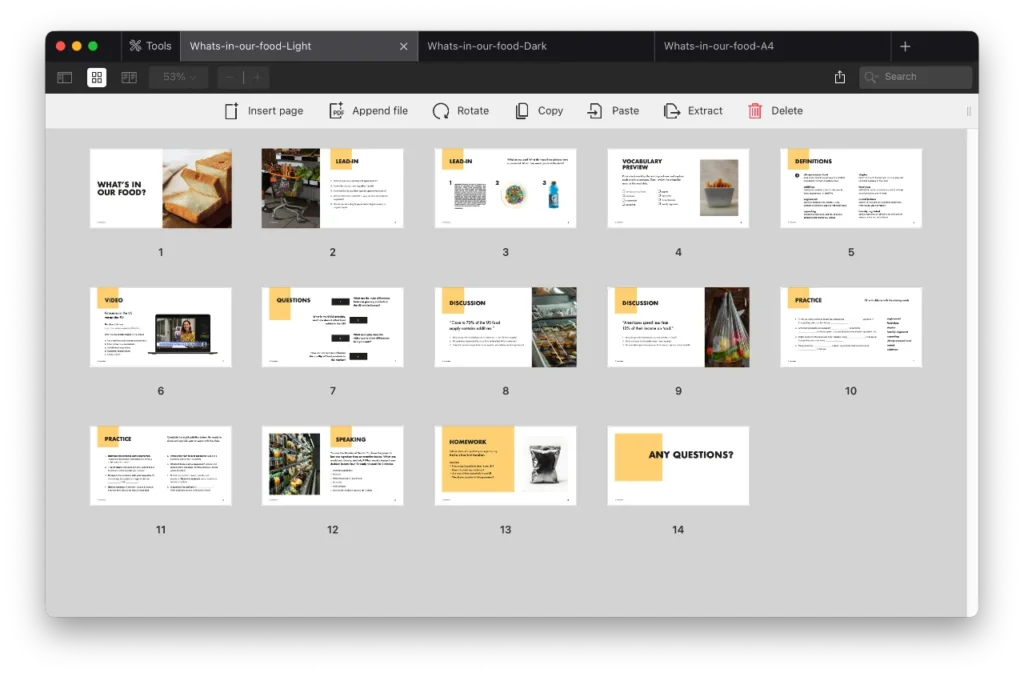
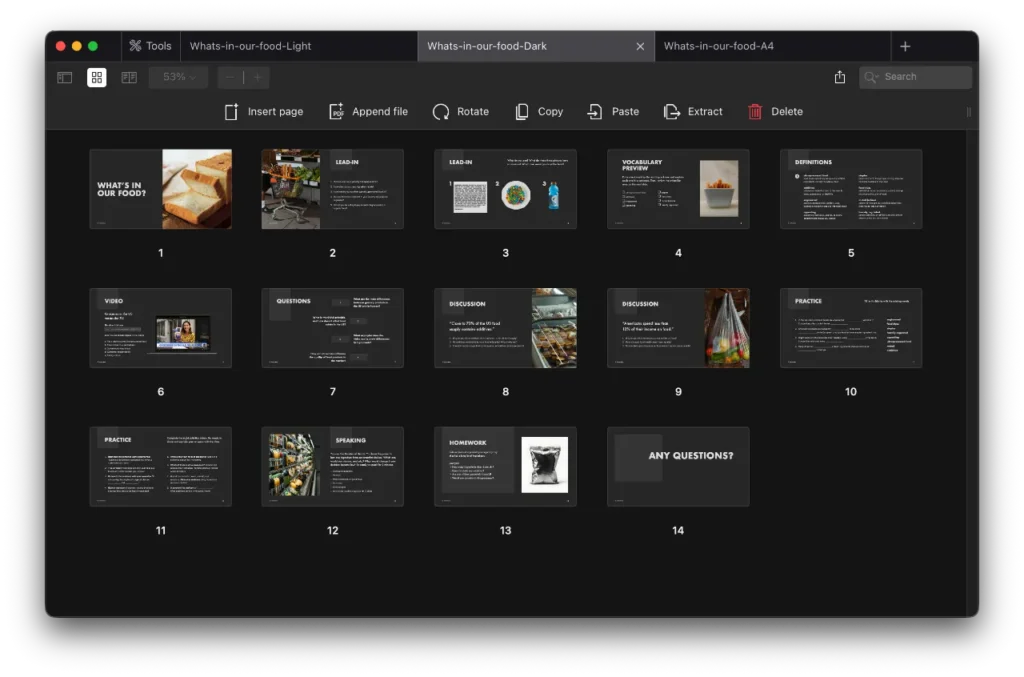
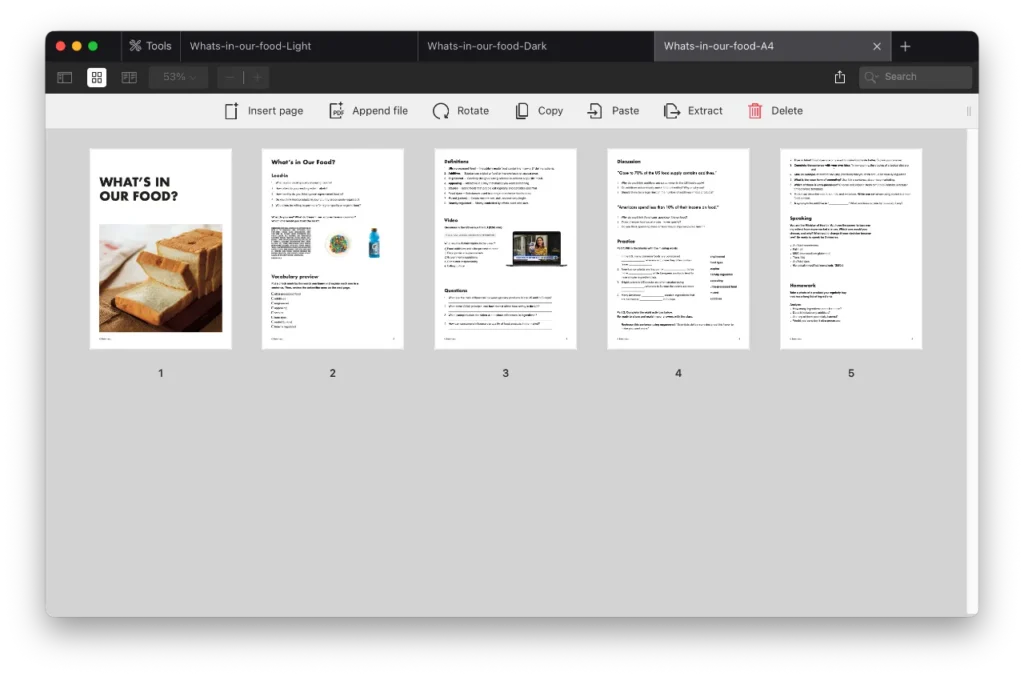
Start with the five lead-in questions to get students thinking about their shopping habits. The question about reading labels usually splits the class, which creates a useful contrast before the lesson begins. Give pairs about three minutes to discuss, then take quick whole-class answers. This shows you what students already know and gets them curious about what’s coming.
Move to the vocabulary preview. Students mark what they know individually, then explain words to a partner before you reveal definitions. The eight terms cover the core language for the video: ultra-processed food, additives, engineered, appealing, staples, food dyes, muted, and heavily regulated. Spend extra time on “heavily regulated” and the GRAS principle since these come up directly in the viewing task.
The video runs just under four minutes and compares grocery products in the US and Europe. Ask students to watch for three main topics from the multiple-choice list before you press play. After watching, go through the four comprehension questions as a class. The questions move from factual recall toward cause and effect, so they set up the discussion well.
Run the discussion questions in small groups of three or four. The two quote prompts cover why food additives are so common in the US and whether spending more on food would improve public health. Students often get animated here, especially once they realize the differences aren’t always about taste. The fill-in-the-blank practice and the eight short tasks work well as pair work between discussions.
End with the Minister of Health speaking task. Each student picks one ingredient to ban and speaks for two minutes. This pushes B2 learners to use opinion language under time pressure. Set the homework before students leave: photograph a real product label and bring an analysis to the next class.
