
What Makes a Great Leader?
This B2 lesson explores what makes great leaders through a Simon Sinek video on courage and support. Students learn vocabulary like vision, integrity, charisma, and speak truth to power, then watch Sinek explain why courage comes from external safety nets, not internal strength. Activities include matching famous leaders to descriptions, debating whether courage is internal or external, and preparing a mini TED talk.
Lesson overview
- Learn leadership vocabulary including vision, integrity, charisma, invest in relationships, and speak truth to power
- Watch Simon Sinek explain why courage comes from support systems, not digging deep inside yourself
- Debate whether quiet leaders can be as effective as charismatic ones and why people choose thankless roles
- Prepare a short TED-style talk about the most important leadership quality with examples and consequences
| Level | Vocabulary | Video Length | Lesson Time |
| B2 / Upper-Intermediate | 10 words | 2:09 min | 60 min |
Vocabulary
- Charisma
- Courage
- Thankless
- Integrity
- Speak truth to power
- Internal
- External
- Invest in relationships
- I’ve got your back
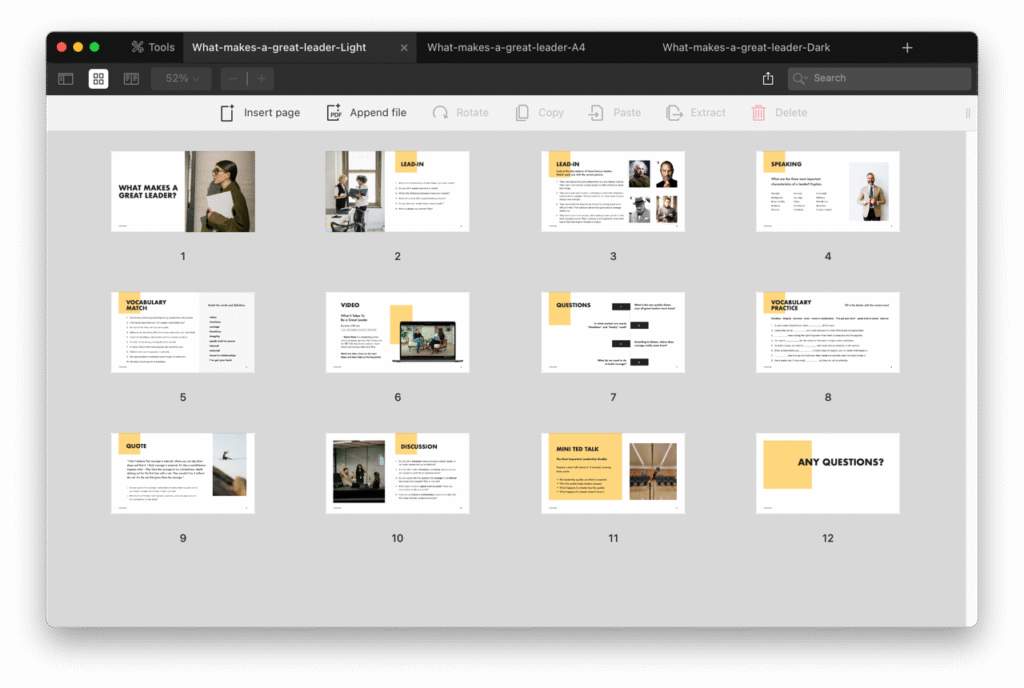
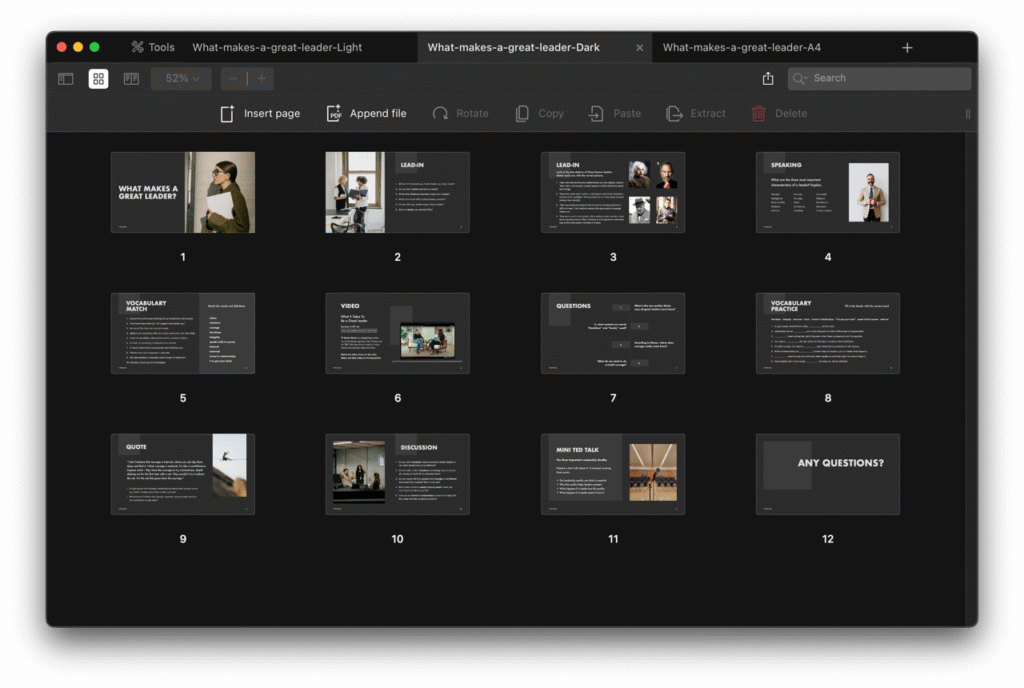
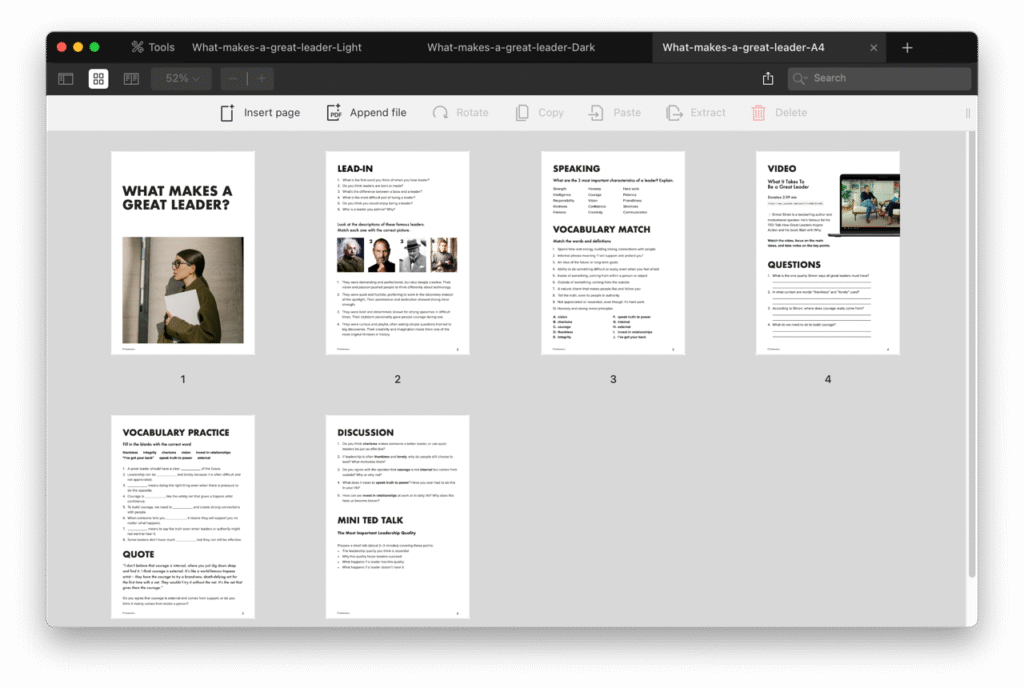
Contents
- Lead-in
- Speaking
- Vocabulary match
- Video
- Questions
- Vocabulary Practice
- Quote
- Discussion
- Mini Ted Talk
Start with the lead-in questions about what makes a leader. Question 3 about the difference between boss and leader usually gets good responses. Then show the four descriptions of famous leaders. Students match each to a picture of Steve Jobs, Marie Curie, Winston Churchill, and Albert Einstein. Discuss which characteristics made each person effective. Move to the speaking task where students pick the three most important leadership traits from a list of fifteen and explain their choices.
The vocabulary matching has ten terms including vision, courage, and thankless. After checking answers, drill pronunciation on “charisma” and “integrity.” Play the Simon Sinek video explaining that courage is external, like a trapeze net, not something you dig deep to find. Students take notes on key points. After watching, they answer four comprehension questions. Question 3 about where courage comes from is central to the video’s argument that support systems create bravery.
The vocabulary practice has eight gap-fill sentences using lesson terms. Check answers and clarify the phrase “I’ve got your back” since it’s informal. The quote section shows Sinek’s trapeze analogy. Students discuss whether they agree courage is external and what safety nets give workers confidence to take risks. This often divides the room between people who believe in inner strength versus those who value support systems. The five discussion questions push deeper. Question 2 about why people choose thankless leadership roles explores motivation beyond recognition. Question 4 about speaking truth to power asks for personal examples.
End with the mini TED talk preparation. Students choose one essential leadership quality, explain why it helps leaders succeed, and describe what happens with and without it. Give five minutes to prepare notes, then have students present for two to three minutes each. Encourage them to use lesson vocabulary and speak confidently like TED presenters.
