
What Kind of Driver Are You?
This C1 lesson explores driving behavior, road safety, and how people react behind the wheel. Students analyze seven driving situations, watch a video about being a good driver, and learn vocabulary like “road rage,” “aptitude,” and “retaliate.” The lesson includes discussions about defensive driving, international driving etiquette, and personal experiences on the road.
Lesson overview
- Practice advanced vocabulary related to driving behavior and traffic situations
- Discuss emotional reactions to common road challenges and safety concerns
- Learn about defensive driving techniques and zipper merging from a video
- Research international driving gestures and share cultural differences in road etiquette
| Level | Vocabulary | Video Length | Lesson Time |
| C1 / Advanced | 12 words | 4:49 min | 60-80 min |
Vocabulary
- aptitude
- anticipate
- halt
- obstacle
- intoxicated
- cut off
- horn
- road rage
- reckless
- impede
- retaliate
- parallel park
Contents
- Lead-in
- Quote
- Vocabulary
- Definitions
- Video
- Right or wrong
- Comments
- Speaking
- Matching
- Misleading chain
- Driving etiquette
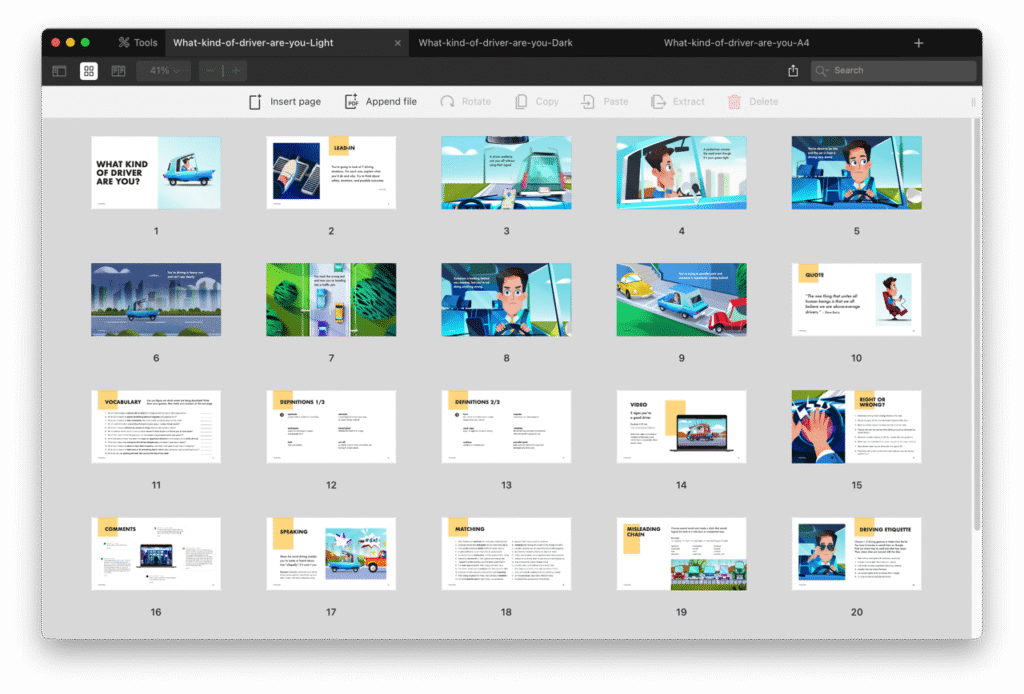
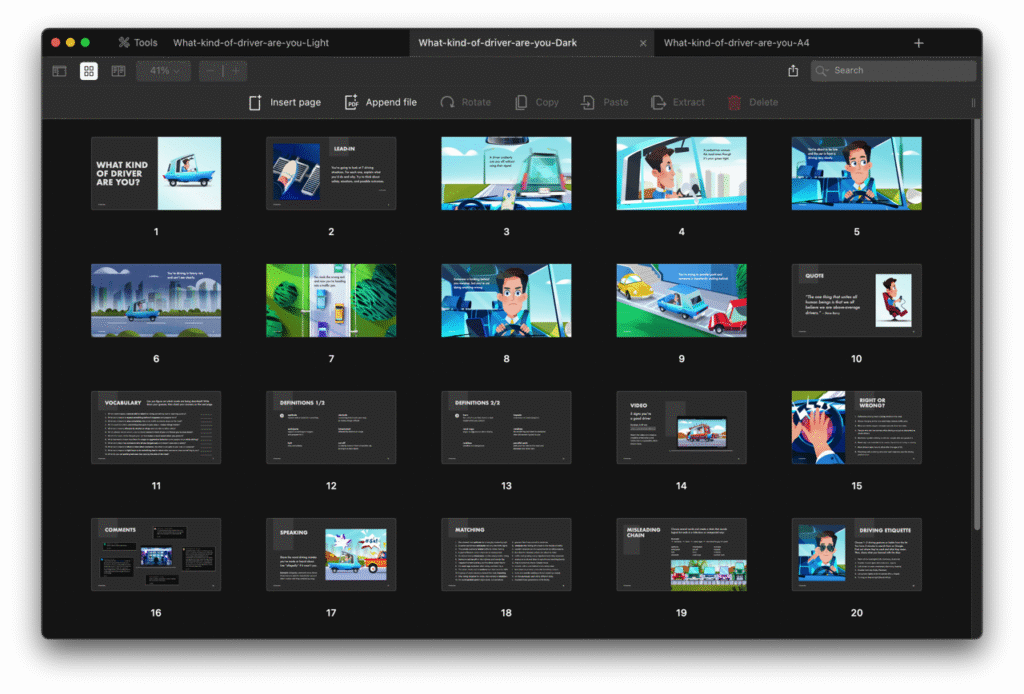
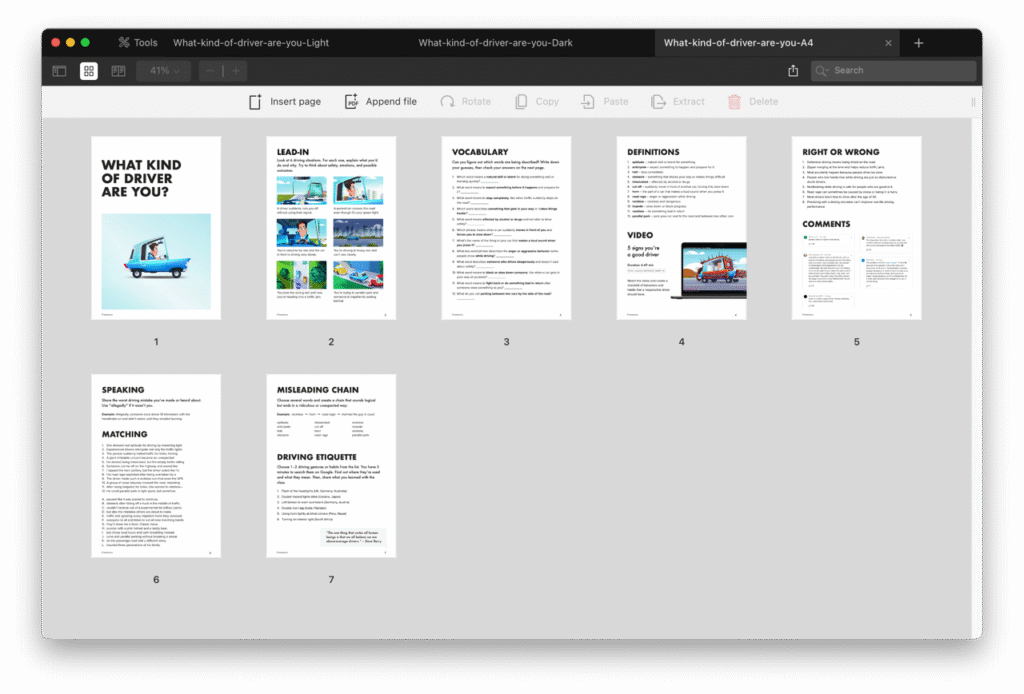
Start with the seven driving scenarios. Students explain how they’d handle each situation and why. This reveals a lot about their personality and driving philosophy. Some students will admit to feeling road rage, others will say they stay calm. The variety makes for good discussion. The Dave Barry quote about everyone thinking they’re above-average drivers usually gets laughs and sets up the self-reflection angle.
The vocabulary section has students guess definitions before checking answers. Words like “aptitude” and “anticipate” work beyond driving contexts, so they’re useful additions at C1 level. “Retaliate” and “impede” are particularly good for discussing aggressive behavior on the road.
The video is almost five minutes and covers five signs of good driving. Students create a checklist of responsible behaviors while watching. This gives them a task that requires active listening and note-taking. The right or wrong activity afterward checks understanding and introduces concepts like zipper merging and hands-free distraction that might be new even to experienced drivers.
The comments section shows three different perspectives on driving behavior. Students read and discuss which one they relate to most. The speaking task about worst driving mistakes works well because you’ve given them “allegedly” as an out. This lets students share funny or embarrassing stories without admitting fault. The matching exercise practices the vocabulary in longer, more natural sentences. Some of the completions are humorous, which keeps energy up.
The misleading chain activity is creative. Students link words together in a story that starts logical but ends somewhere ridiculous. Your example about road rage ending in marriage in court shows how absurd they can get. The driving etiquette research task works best if students have phones or laptops. Give them three minutes to look up one or two gestures, then share findings. This brings in cultural awareness and usually surprises people with how different road communication can be across countries.
