
What is Pilates?

This B1 lesson introduces students to Pilates and its history. They watch archival footage of Joseph Pilates, read about how he invented this popular exercise method, and practice vocabulary like “posture,” “mat,” and “reformer machine.” The activities include comprehension questions, timeline sequencing, and a research presentation about modern fitness trends.
Lesson overview
- Learn vocabulary related to exercise, fitness equipment, and body movement
- Practice reading comprehension with the story of Joseph Pilates and his methods
- Watch authentic archival footage and describe what people are doing
- Build research and speaking skills by presenting information about a trendy sport
| Level | Vocabulary | Lesson Time |
| B1 / Intermediate | 10 words | 60 min |
Vocabulary
- mat
- stretch
- gentle
- exhausted
- weak
- confident
- injured
- reformer machine
- athletes
- posture
Contents
- Lead-in
- Video
- Comprehension
- Speaking
- Vocabulary
- Reading
- True or false
- Questions
- Timeline
- Odd one out
- Homework
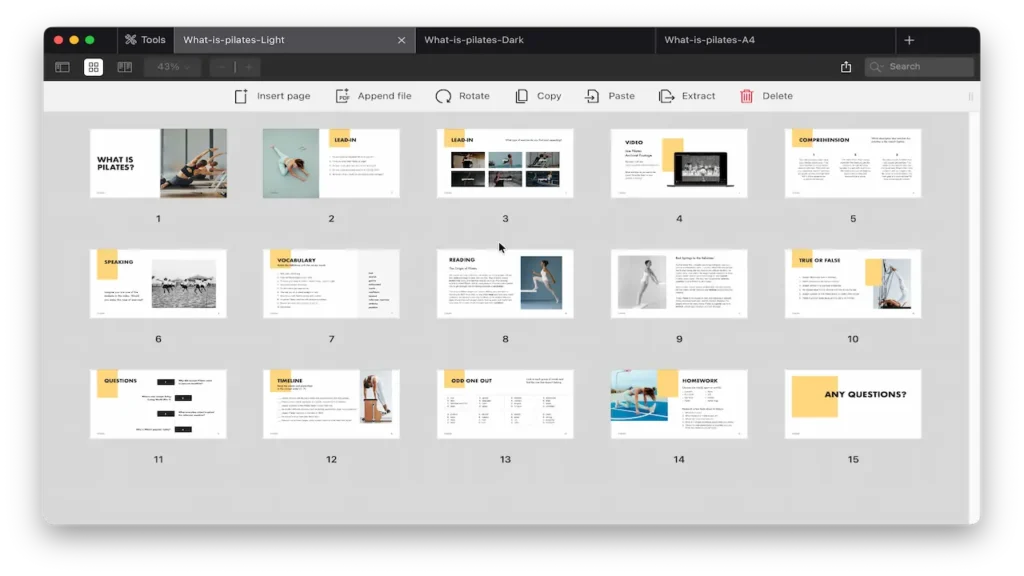
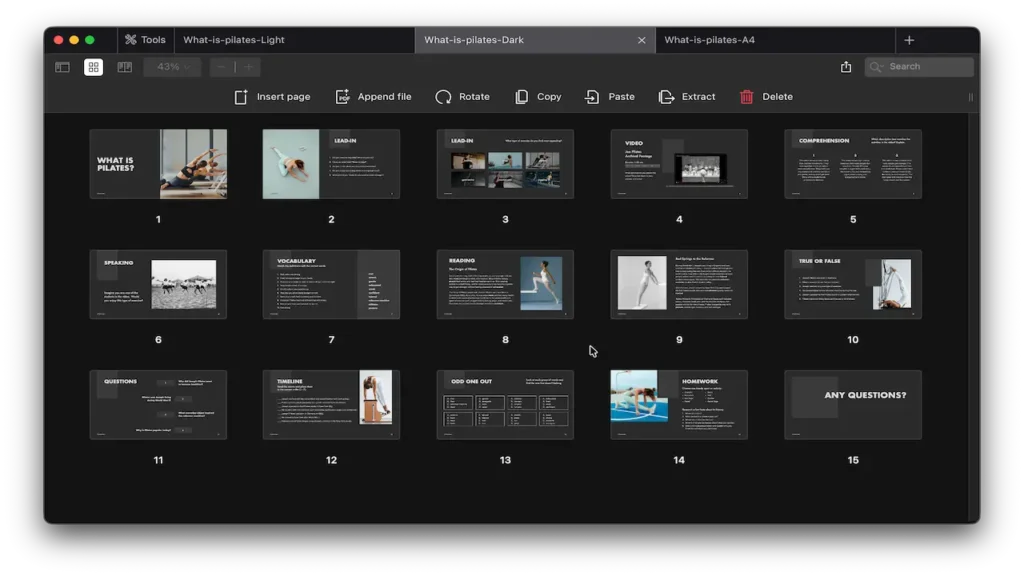
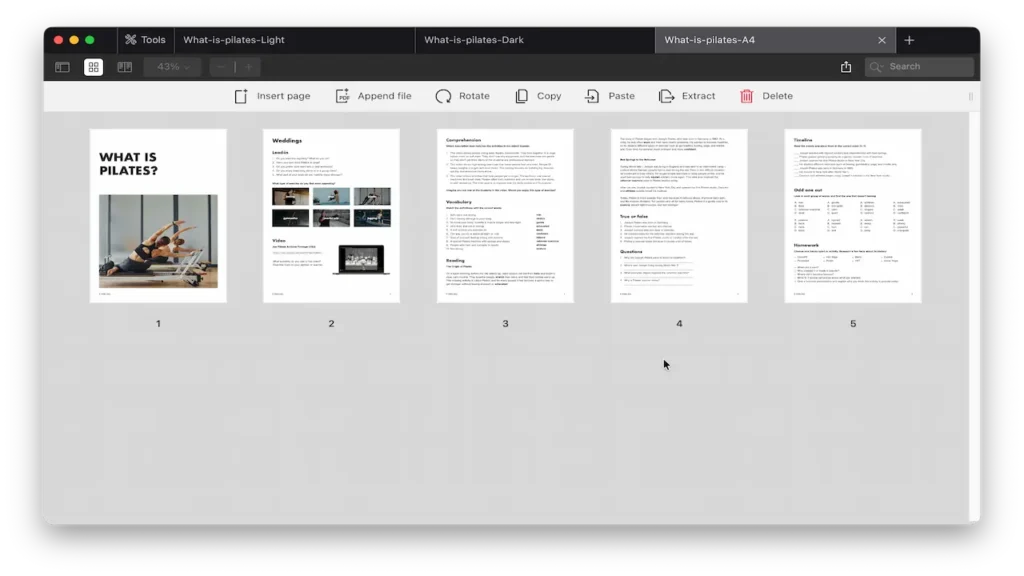
Start with the lead-in questions about exercise habits. Most B1 students can talk about whether they work out regularly, but they might need help with words like “strength training” or “cardio.” The visual activity on slide 3 helps them compare different exercise types before they see the Pilates video.
The archival footage runs only 39 seconds, so play it twice. Students describe what they see happening. They’ll notice the mats, the machines, and the controlled movements. After watching, they choose which description matches best. This tests whether they caught details like the reformer machine and the focus on posture. The correct answer is description 3.
The vocabulary matching works well as pair work. Words like “gentle,” “exhausted,” and “injured” are useful beyond this lesson. Make sure students understand “reformer machine” since it appears in the reading. The reading itself tells Joseph Pilates’ story in two parts. The first section covers his childhood and early training. The second explains how he invented the reformer using bed springs during World War I.
After reading, students complete true/false statements and short answer questions. B1 learners sometimes struggle with false statements, so review why each false answer is wrong. The timeline activity on slide 12 helps them see the sequence clearly. For homework, students research a modern fitness trend and give a short presentation. This connects historical Pilates to current exercise culture and gives them speaking practice with a topic they can choose themselves.
