
Weight Loss & Genetics

This C1 lesson is built around a real story about Serena Williams and her decision to use Zepbound, one of the most talked-about weight loss drugs since Ozempic changed the conversation around obesity. Students read about her personal journey, the stigma she faced, and the science behind GLP-1 medications. The lesson covers ten topic-specific vocabulary words and pushes students into genuine debate about health, biology, and public perception.
Lesson overview
- Discuss whether obesity is a biological condition or a personal choice
- Practise ten advanced vocabulary words in context through multiple activities
- Analyse how media framing shapes public opinion on weight loss drugs
- Debate the ethics of celebrity endorsements in healthcare and medicine
| Level | Vocabulary | Reading Time | Lesson Time |
| C1 / Advanced | 10 words | 1088 words / 5 min | 60-80 min |
Vocabulary
- telehealth company
- scrutiny
- stigma
- glucose
- comorbidity
- reiterate
- predisposed
- super-responder
- titrate
- injectable
Contents
- Lead-in
- Vocabulary preview
- Definitions
- Article
- Summary
- Questions
- Expand & connect
- Practice
- Headlines
- Pair work
- Extra words
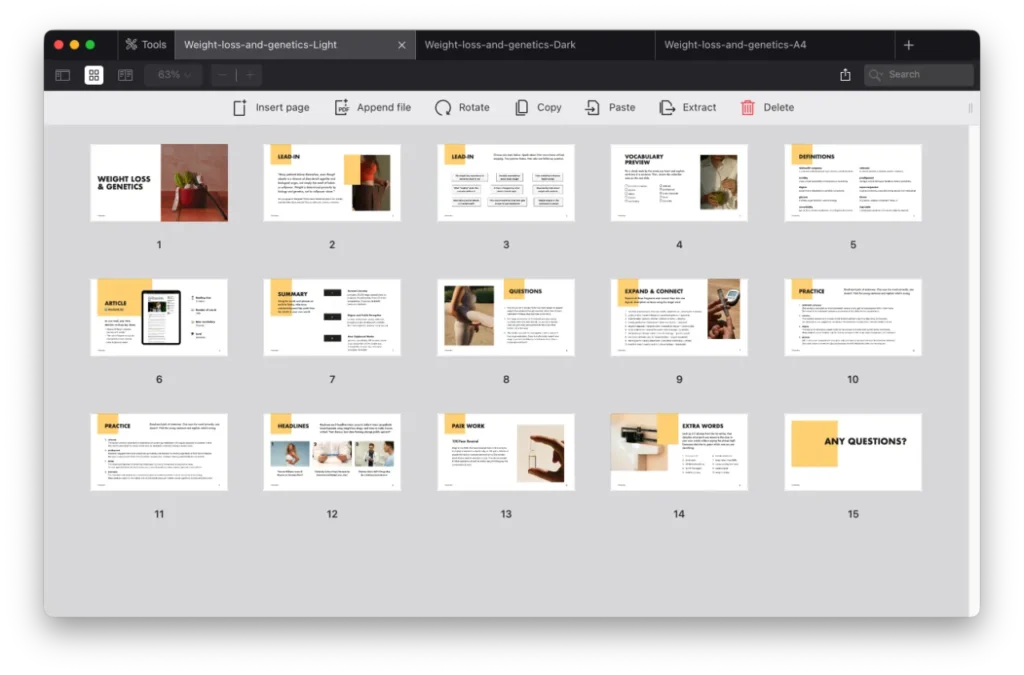
Start with the lead-in quote on slide one. Read it aloud together, then give students two minutes to think before they respond. The statement is deliberately provocative, so expect some disagreement. That’s the point. Let the conversation run for five to seven minutes before moving on. Students at C1 level are comfortable with abstract ideas, and this quote gets them thinking about biology, blame, and social expectation right away.
The second lead-in asks each student to pick a topic and speak for two minutes without stopping. This works well as a warm-up for fluency. Tell students their partner will ask one follow-up question at the end. Keep the atmosphere low-pressure since the goal here is getting students talking, not evaluating them.
Vocabulary runs across three slides. The check-mark preview on slide three tells you quickly which words are new and which students already know. The definitions on slide four are short by design, seven words max, so students can process them fast and move on. Don’t spend too long here. The real vocabulary work happens in the practice activities later.
After reading, the summary activity on slide six works best in groups of three. Each student takes one point and summarises it using only the words on their list. The constraint forces them to think carefully about meaning rather than just retelling the story. Give about eight minutes for this.
The expand and connect activity on slide eight is the hardest exercise in the lesson. Students take three short fragments and one vocabulary word and connect everything into one sentence. Warn them the fragments are meant to feel slightly disconnected. If a pair finishes early, ask them to read their sentence to another pair and check if it makes logical sense.
The good sentence bad sentence practice works well as a whole-class activity. Read the sentences aloud and ask students to vote before you reveal the answer. Keep the pace quick since lingering too long on each item slows momentum.
Close with the headlines activity. Students rewrite each headline twice, once sympathetically and once critically. This is a good final activity because it ties language to real thinking about media and framing. You can end with a short group discussion about which rewrites felt most natural to write and why.
