Weather in Winter

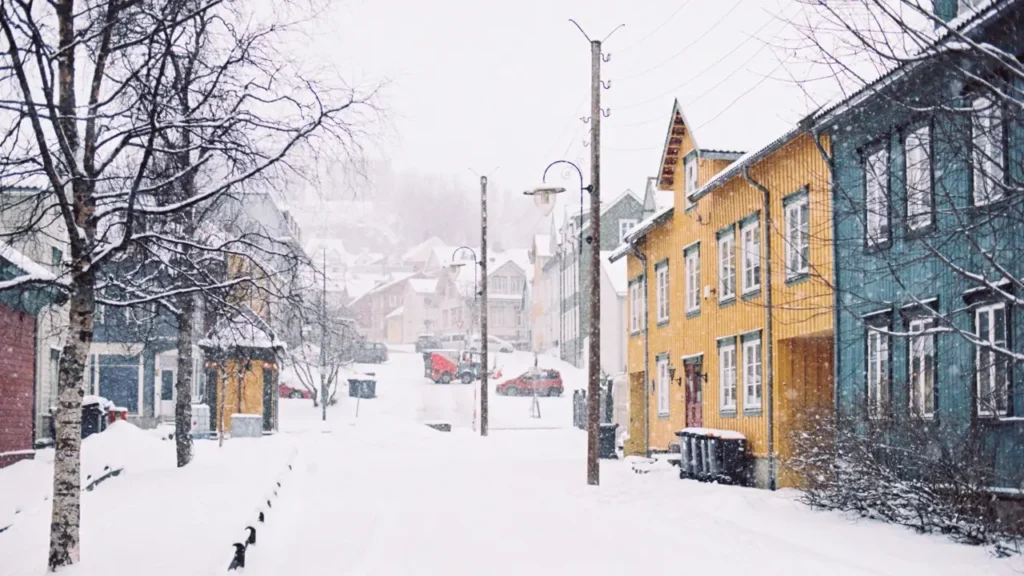
A snowy street with historic buildings showing winter weather esl lesson contextual imagery for A2 learners

Lesson overview

This A2-level weather esl lesson takes students on a climate tour across three continents, comparing how winter feels in Canada, Spain, and Vietnam. Through authentic listening activities and natural interviews, learners discover that “winter” means something completely different depending on where you are; from freezing temperatures and snowfall in Canada to mild, rainy weather in Spain to warm, humid conditions in Vietnam. The lesson builds vocabulary around winter weather conditions like icy roads, puddles, and temperature descriptions, then asks students to apply what they’ve learned by describing their own country’s winter. With gap-fill exercises, comprehension tables, and 60-second speaking challenges, this esl weather lesson plan keeps engagement high while developing both listening and speaking skills. Perfect for pre-intermediate learners who want to move beyond textbook descriptions and hear how real people actually talk about winter weather.

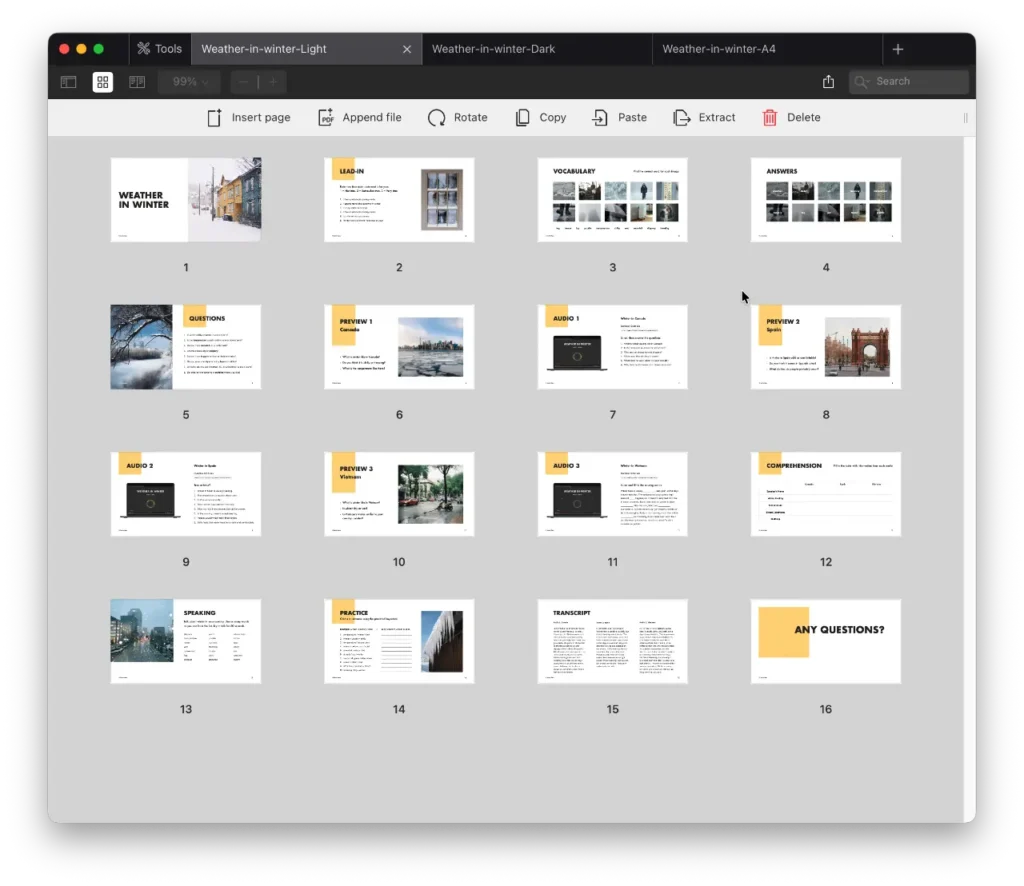
Student's Version (Light/Dark)

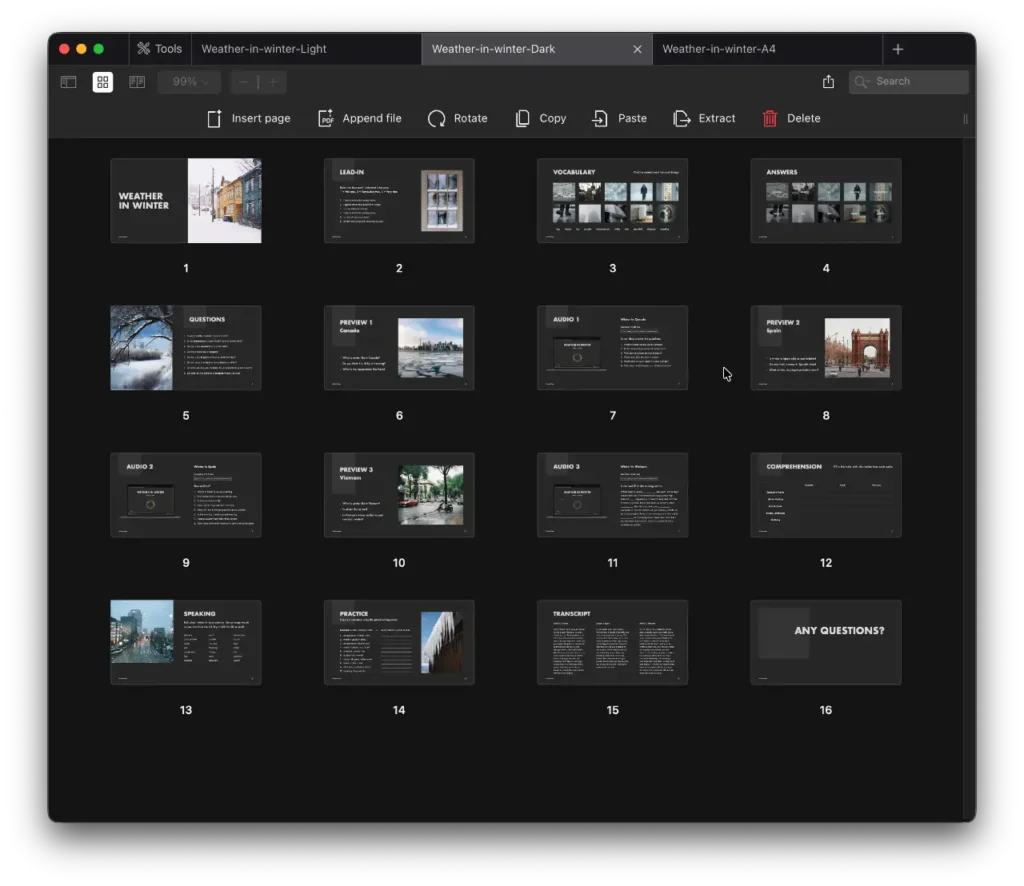
Teacher's Version (Answer Keys)

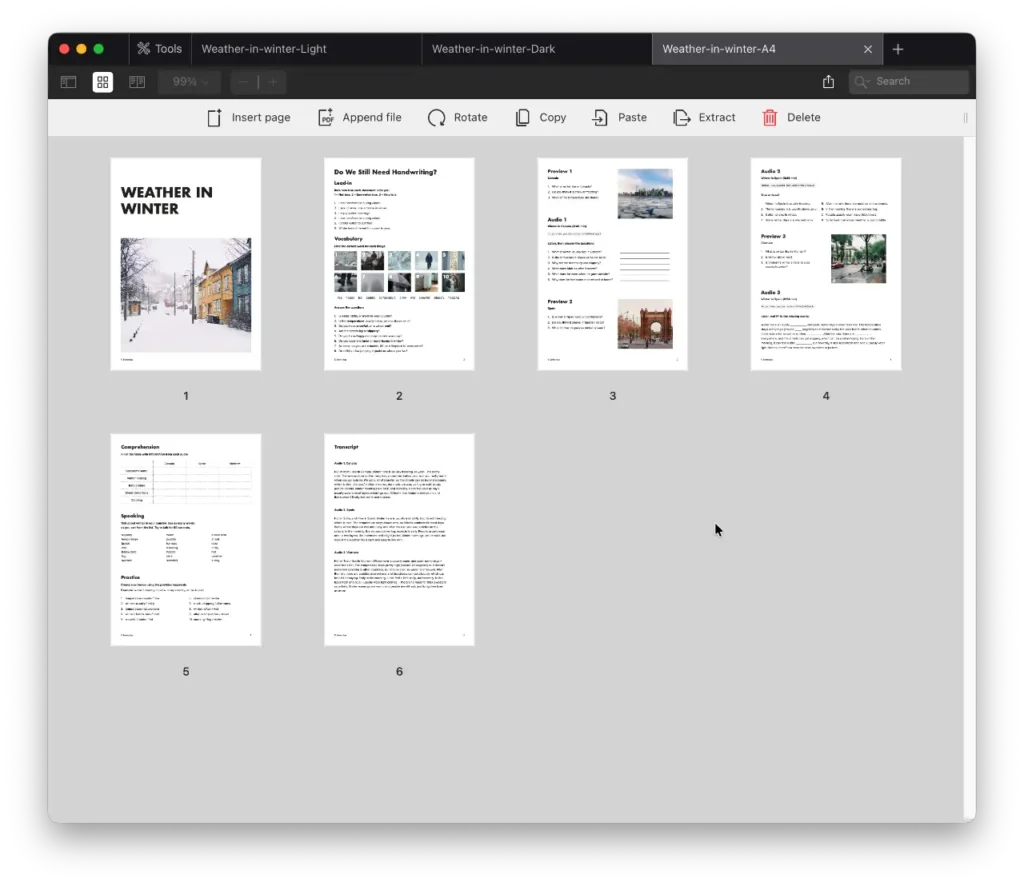
Printable Classroom Version (A4)

LevelVocabularyAudio LengthLesson Time
A2 / Upper-Intermediate10 words0:40, 0:36, 0:54 min60 min

Vocabulary

  • fog       
  • heater        
  • icy        
  • puddle        
  • temperature        
  • chilly        
  • wet        
  • snowfall        
  • slippery        
  • freezing

Contents

  • Lead-in
  • Vocabulary
  • Questions
  • Preview 1
  • Audio 1
  • Preview 2
  • Audio 2
  • Preview 3
  • Audio 3
  • Comprehension
  • Speaking
  • Practice
  • Transcript

Teaching guide

Lead-in

This opening activity sets the tone for the lesson by getting students thinking about their personal relationship with winter weather. You’ll ask learners to rate six statements on a simple 1-3 scale, which activates their prior knowledge and gets them comfortable sharing opinions before diving into the more structured content. The statements cover comfort levels, seasonal habits, and personal preferences—things every student can relate to regardless of which season they experience. This approach works especially well for A2 learners because it gives them permission to use simple language while establishing what matters to them about winter weather. Once they’ve rated their responses, encourage brief pair discussions about which statements resonated most. This low-pressure warm-up naturally preps them for the vocabulary and listening activities that follow, and the personal angle keeps engagement high throughout.

Vocabulary, Questions

Here’s where you’ll introduce ten essential winter weather vocabulary words through a visual matching exercise: fog, heater, icy, puddle, temperature, chilly, wet, snowfall, slippery, and freezing. Students match each word to an image, which makes learning concrete and memorable. For A2 learners, having visual anchors prevents the abstract feeling that pure vocabulary lists create. After the matching section, move into the comprehension questions that follow—things like “Is winter chilly or warm in your country?” and “Are the streets icy or slippery?” These questions aren’t just comprehension checks; they’re speaking prompts that push students to use the vocabulary they’ve just learned while describing their own winter experience. This blend of receptive (matching) and productive (question-answering) practice makes vocabulary stick in a way that serves them when they describe winter weather to others.

Preview 1, Audio 1

The first audio sample features Matt from Canada sharing what winter is really like in his region. Before students listen, have them predict answers to three preview questions about Canada’s winter. This prediction step activates listening comprehension because they’re mentally preparing for what they’ll hear. The audio itself is short and natural, just 40 seconds, which is perfect for A2 learners who need time to process without feeling overwhelmed. Matt describes freezing temperatures, heavy snowfall, icy streets, layered clothing, and how he stays warm at home with a heater. After listening, students answer six comprehension questions that move from big ideas (“What is winter usually like?”) to supporting details (“Why does he wear layers?”). This progression ensures students understand both the main message and specific facts. The transcript at the end lets learners review what they heard, making this a complete input-processing cycle that builds confidence.

Preview 2, Audio 2

Sofia from Spain presents a completely different winter weather experience—one that’s chilly but comfortable, above zero, and definitely not freezing. Before the second audio, have students preview what they’ll hear with questions about Spanish winter versus Canadian winter. The audio is similarly brief (36 seconds) but gives clear details about temperature, rainfall, puddles, fog, and minimal clothing needs. After listening, students work through eight true-or-false statements that test both facts they heard and inferences they need to make. This format works well for pre-intermediate learners because it requires them to evaluate information actively, not just passively hear it. Comparing Spain’s mild winter to Canada’s harsh one naturally sets up a discussion about climate diversity and helps students understand that “winter” means something completely different depending on location. By this point, they’re seeing how the same weather vocabulary applies across contexts.

Preview 3, Audio 3

Vietnam’s winter is the third major contrast: warm, often hot during the day, and very wet with frequent rain and puddles everywhere. The preview questions ask learners to predict whether they think it’s dry or wet, setting up a framework for listening. This 54-second audio moves slightly beyond pure description by having Tran explain how the weather affects daily life and what people actually wear (minimal layers, light clothing). Instead of a traditional comprehension task, students listen and fill in missing words directly from the transcript—a classic gap-fill exercise that’s excellent for intermediate learners who need to pay close attention to details while listening. The blanks ask for adjectives (warm, wet, chilly) and nouns (puddles, fog) they’ve already encountered, so they’re consolidating vocabulary while processing new content. By the end of these three audios, students have a rich comparative understanding of winter across three very different climates.

Comprehension

This is where students synthesize everything they’ve heard across all three audio segments. You provide a table with rows for speaker’s name, winter feeling, temperature, street conditions, and clothing, and columns for Canada, Spain, and Vietnam. Students fill it in using information from all three audios, forcing them to review, remember, and organize what they learned. This type of structured summary task works particularly well for A2 learners because it transforms scattered listening input into organized information they can reference and discuss. Some students will need to listen to the audios again. That’s valuable recycling of the content. The table becomes a visual reference point for comparisons, which naturally leads into speaking and writing tasks. You could display the completed table on screen and use it as a springboard for deeper discussion about why these regions experience such different winters.

Speaking

This open-ended speaking task asks learners to talk about winter in their own country for 60 seconds, using as many vocabulary words as possible from the provided list. The list includes words they’ve learned and practiced: slippery, temperature, jacket, wet, below zero, fog, sweater, warm, puddle, icy road, freezing, heater, dark, snowfall, above zero, street, layer, chilly, hot, weather, sunny. Some of these words appear in the audios (freezing, snowfall, wet, puddles), while others extend the vocabulary slightly (slippery roads, icy conditions, layers of clothing). The 60-second timeframe gives A2 learners enough time to form coherent thoughts without pressuring them to produce lengthy speeches. This task works best in pairs or small groups where students feel more comfortable taking risks with language. Encourage them to describe their actual winter (temperature, precipitation, street conditions, what they wear) just like the three speakers did in the audios. This personalization makes the lesson relevant and memorable.

Practice

The practice section gives students sentence-building tasks using keyword combinations. Each prompt provides three words (temperature, winter, low) and asks them to create a complete sentence like the example shown. The keywords are all weather-related and pull directly from the lesson content: temperature, snowfall, streets, roads, puddles, fog, winter. Students might produce sentences like “In my country, the temperature is very low in winter” or “After heavy snowfall, the roads are slippery.” This productive task bridges the gap between listening comprehension and independent speaking or writing. It’s also useful as a homework assignment or as a warm-up activity before the speaking task, giving students a chance to rehearse structures they’ll use when describing their own winter weather.

Transcript

Providing complete transcripts of all three audios serves multiple purposes in an ESL lesson. Some students need to read along while listening—it helps them catch details they missed and builds confidence. Others benefit from reviewing the transcript after listening to see exactly what was said. The transcripts also serve as reference material for the vocabulary they encountered in context, showing how words like “freezing,” “icy,” “slippery,” and “puddles” actually function in natural speech. Teachers can use transcript excerpts for additional pronunciation practice, drilling challenging sounds or word combinations. For mixed-level classes, stronger learners might analyze the transcripts for structures and patterns, while pre-intermediate learners focus on vocabulary recognition.

Oksana

Teaching for 10+ years has taken me across cultures, from living in Asia to working with diverse students worldwide. Now, I focus on general and business English for adults, crafting lessons that are engaging, practical, and inspired by my love for travel, photography, and culture.