
Travel Destinations
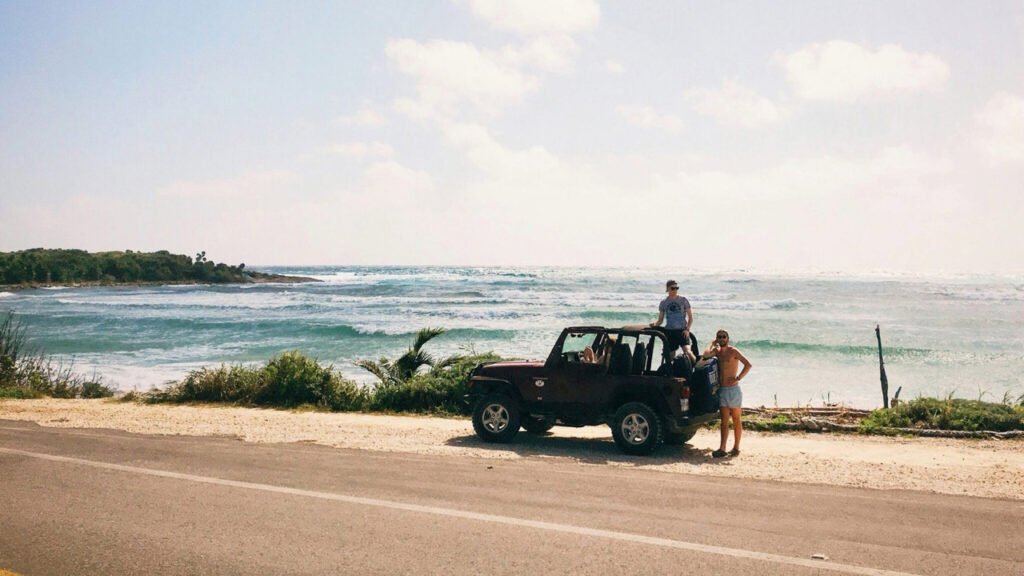
This A2 lesson introduces students to vocabulary for describing different types of travel and popular destinations around the world. Students learn travel-related terms through matching activities, read personal travel stories, and practice guessing countries from cultural clues. The lesson builds confidence in talking about travel experiences and preferences.
Lesson overview
- Learn vocabulary for six common travel types and related activities
- Practice reading comprehension through authentic travel stories from different travelers
- Develop speaking skills by describing destinations without naming them directly
- Explore cultural knowledge about countries through fun guessing activities
| Level | Vocabulary | Lesson Time |
| A2 / Pre-Intermediate | 30 words | 60 min |
Vocabulary
- Beach vacation
- Road trip
- Sightseeing tour
- City break
- Backpacking adventure
- Wellness retreat
- Spa
- Massage
- Healthy food
- Yoga
- Nature
- Backpack
- Camping
- Hiking
- Guide
- Historical sites
- Scenic views
- Tour bus
- Markets
- Restaurants
- Galleries
- Nightlife
- Car
- Highway
- Music playlist
- Map
- Sea
- Swimming
- Sunbathing
- Sand
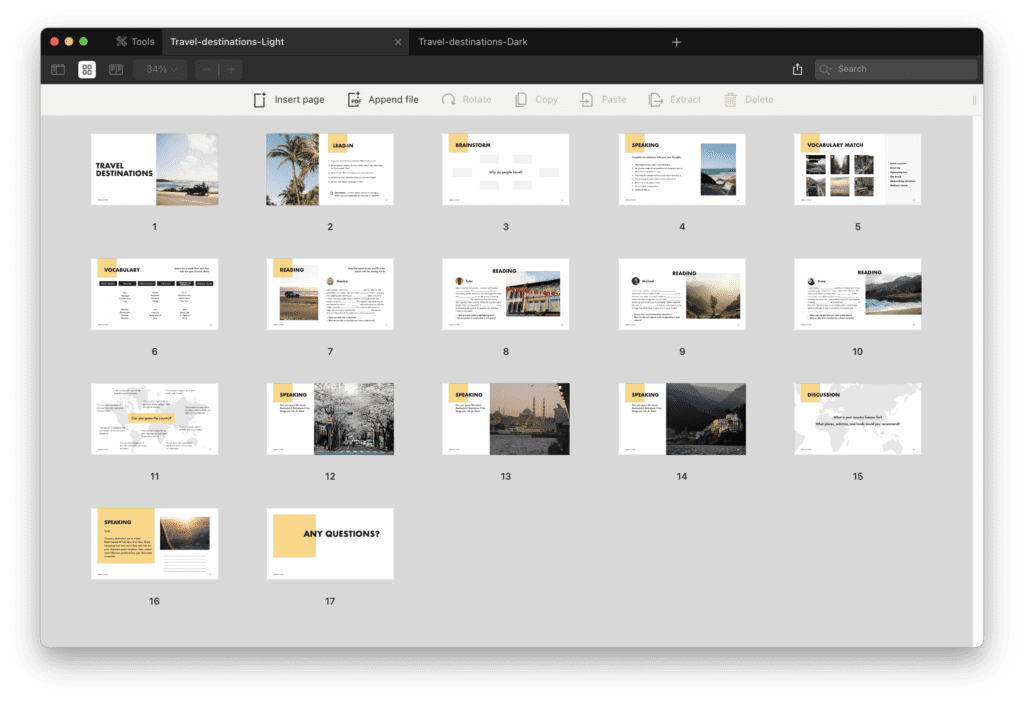
Contents
- Lead-in
- Brainstorm
- Speaking
- Vocabulary Match
- Vocabulary
- Reading
- Guess the country
- Speaking
- Discussion
- Speaking
Start with the lead-in questions on page 2 about travel experiences. Even students who haven’t traveled much will have opinions about their preferred vacation type. The brainstorm on page 3 about reasons people travel works well on the board with everyone contributing. Students often mention relaxation, adventure, and seeing family, but you might need to prompt for others like education or business.
The speaking activity on page 4 where students complete sentences works best if you do the first one together. Students at this level might struggle with “mode of transportation” so be ready to explain. For the vocabulary matching on pages 5-6, have students work in pairs matching photos to vacation types before you reveal answers. Then they match four words to each vacation type. This is tricky, so walk around and help as needed.
The reading section on pages 7-10 has four travel stories with gaps to fill. Each story represents a different vacation type from the earlier vocabulary. Do Monica’s story first as a class to show how it works. Then students can complete the other three on their own or in pairs. The discussion questions after each story connect the content to students’ own lives.
The country guessing game on page 11 tends to get people excited. Read the clues one at a time and let students shout out answers. The photo activities on pages 12-14 work the same way. Students guess the destination from the image (Japan, Turkey, Italy) and brainstorm activities.
The final speaking task on page 16 where students describe a place without naming it needs prep time. Weaker students might need sentence starters like “In this place you can…” or “This destination is famous for…” Model it yourself first by describing somewhere you’ve been while students guess. The note-taking space helps students organize their thoughts before speaking.
