
Toy Stories
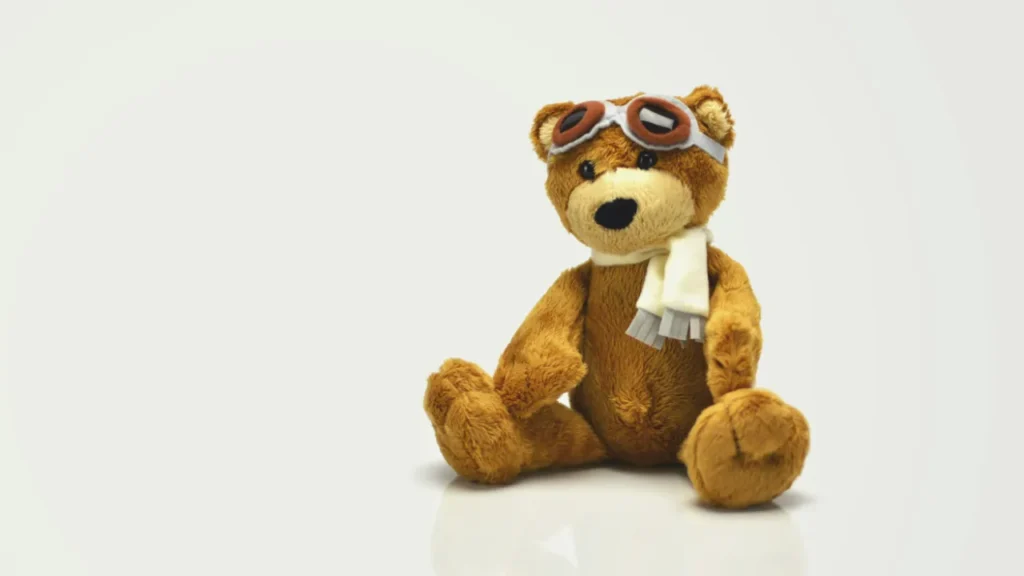
This B1 lesson uses real photos from Gabriele Galimberti’s Toy Stories project to get students talking about childhood, toys, and how kids play around the world. It has tons of speaking activities, so expect a lively class from start to finish. Students discuss, debate, and share personal memories throughout the whole lesson.
Lesson overview
- Share childhood toy memories through sentence completion and group discussion
- Name and describe common toys using vocabulary from six countries
- Analyze Toy Stories photos and explain what they reveal about childhood
- Debate three questions about how, where, and with whom children should play
| Level | Vocabulary | Lesson Time |
| B1 / Intermediate | 12 words | 60 min |
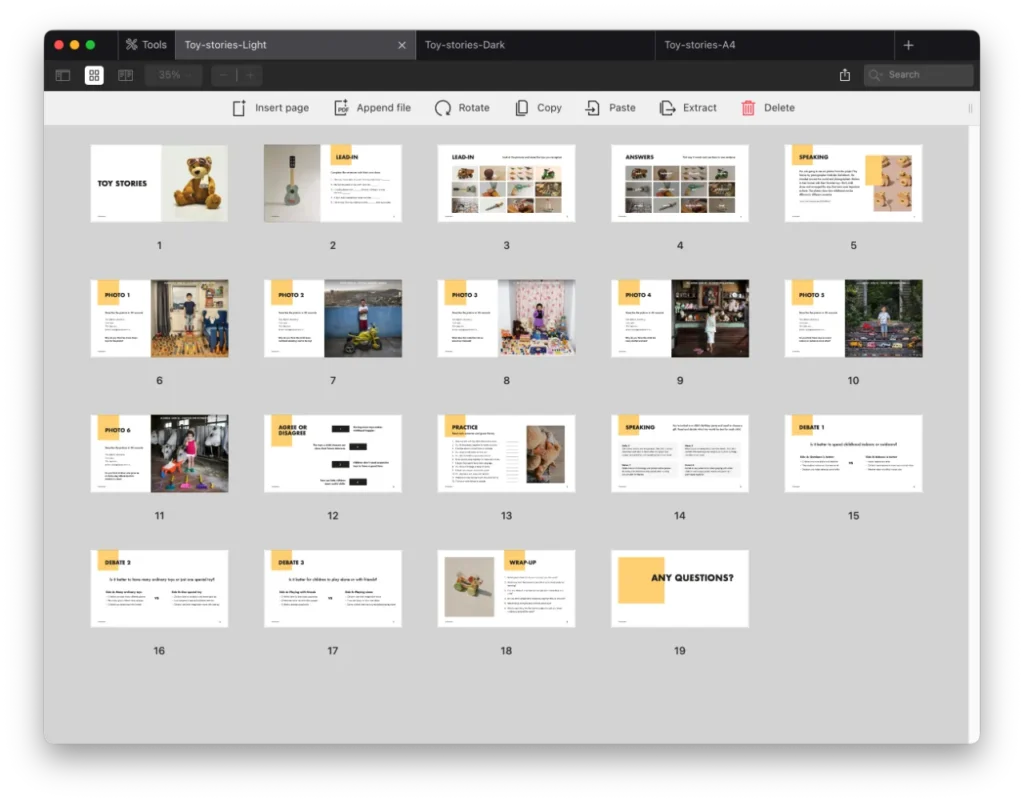
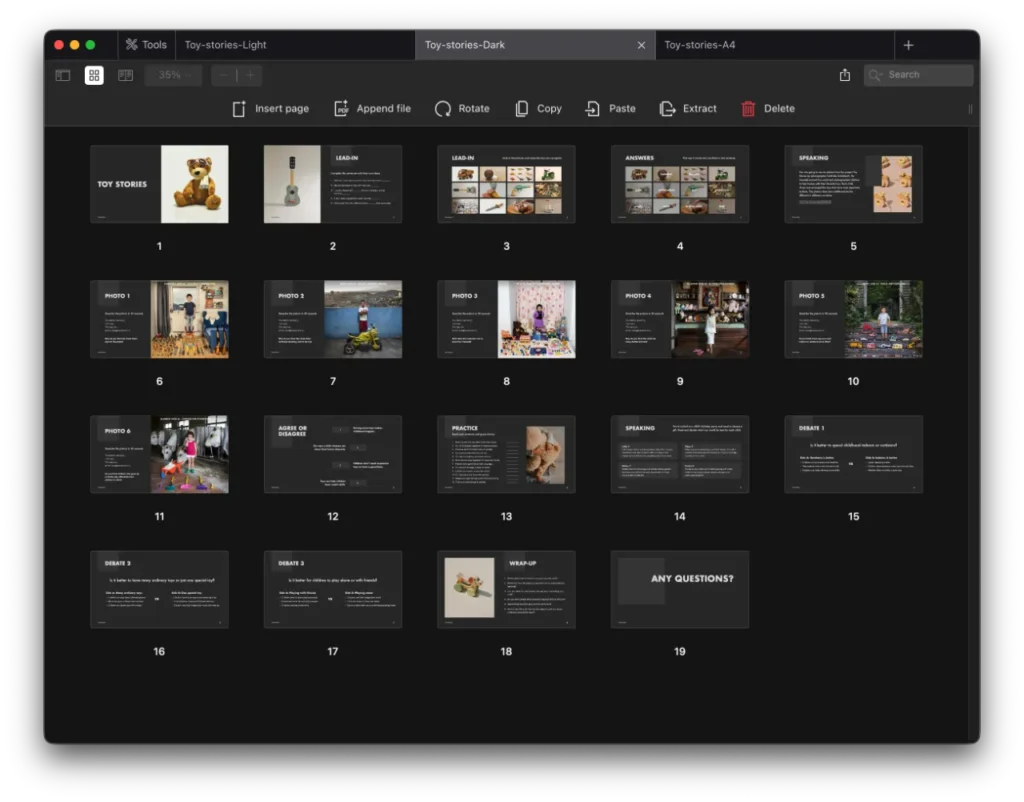
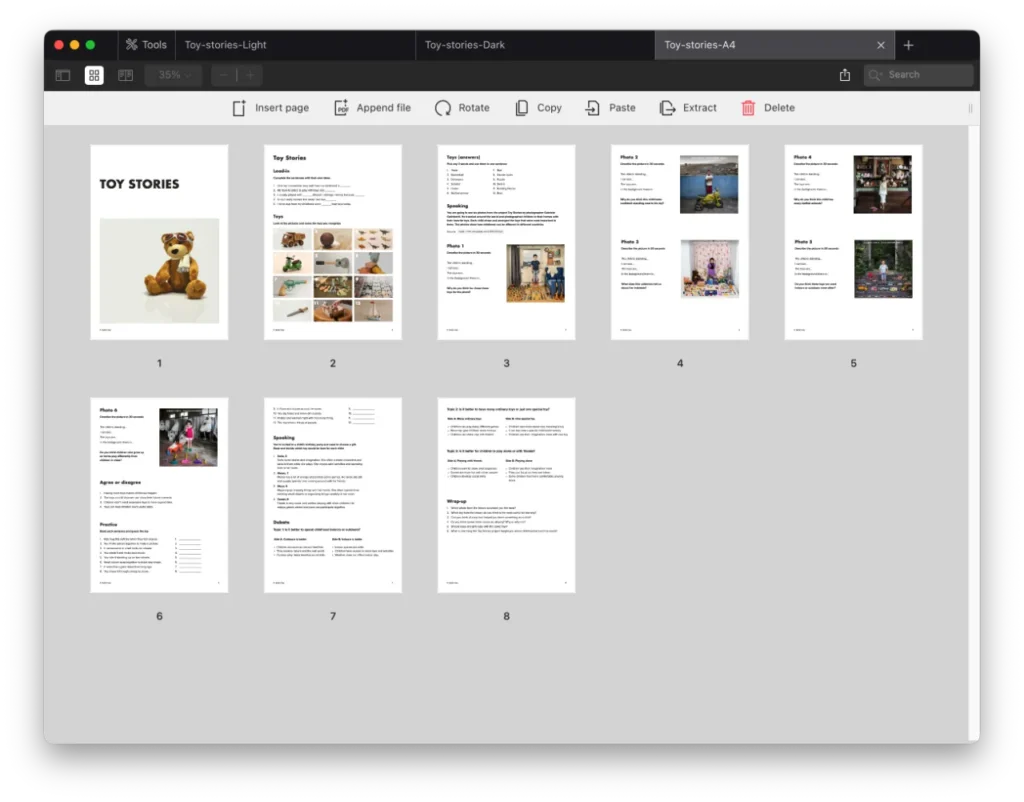
Vocabulary
- Truck
- Gun
- Garden tool
- Stuffed animal
- Building blocks
- Puzzle
- Basketball
- Sword
- Dinosaur
- Boat
- Scooter
- Guitar
Contents
- Lead-in 1
- Lead-in 2
- Speaking
Photo 1 – Aqissiaq, Age 6, Greenland
Photo 2 – Paco, Age 4, Brazil
Photo 3 – Cun Zi Yi, Age 3, China
Photo 4 – Allenah, Age 4, Philippines
Photo 5 – Zefir, Age 4, Switzerland
Photo 6 – Alessia, Age 5, Italy - Agree or disagree
- Practice
- Speaking
- Debate topics
- Wrap-up
Start with the sentence completion warm-up. Students finish five sentences about their own childhood toys, then compare with a partner. This gets them thinking about the topic right away, and it shows you which students are comfortable talking about personal experiences.
Next, move to the picture identification. Students name the toys from the images, then check against the answer key. The quick activity that follows, where students pick three vocabulary words and use them in one sentence, is a good way to check comprehension before the main speaking section.
The Toy Stories section is the heart of this childhood lesson plan. Students look at six photos from Galimberti’s project and describe each one using the sentence frames on the slide. Each photo also has a discussion question that asks students to go beyond description and interpret what they see. Give pairs about 90 seconds per photo, then open it up for class discussion. The photos come from Greenland, Brazil, China, the Philippines, Switzerland, and Italy, so students naturally start comparing childhood experiences across cultures. Don’t rush this part. It almost always generates the most conversation.
The agree or disagree statements work well as a quick transition. Keep this to about five minutes to save energy for the debates that follow.
The toy guessing game is a natural energy boost. Run it as a quick competition in pairs or small groups. Students read descriptions and guess the toys. It’s a good vocabulary consolidation activity before the debates.
The three structured debates push B1 students to form opinions and support them with reasons. You can assign sides randomly or let students choose. Close with two or three wrap-up questions. The question about boys and girls sharing toys tends to spark strong reactions, so save it if the energy drops.
