
The Swedish Prescription
This B2 lesson explores wellness through Sweden’s tourism campaign that presents travel as medicine. Students learn vocabulary like “prescribe,” “profound relaxation,” and “parasympathetic nervous system,” then watch a creative video positioning Swedish nature as therapy. The activities include analyzing humorous side effects, comparing health concepts, and creating similar wellness prescriptions for other countries.
Lesson overview
- Build health and wellness vocabulary related to relaxation, nervous system function, and therapeutic benefits
- Watch a clever tourism video that frames Swedish nature experiences as medical treatment
- Practice critical thinking by analyzing how the ad commentary reflects modern stress and escape culture
- Develop creative writing skills by describing countries humorously using medical warning language
| Level | Vocabulary | Video Length | Lesson Time |
| B2 / Upper-Intermediate | 8 words | 1:46 min | 60 min |
Vocabulary
- Prescribe
- Restorative sleep
- Parasympathetic nervous system
- Profound relaxation
- Antidote
- Overcrowded
- 24/7
- Therapy
Contents
- Lead-in
- Vocabulary
- Definitions
- Preview discussion
- Video
- True or false
- Video
- Reading
- Questions
- What’s the difference
- Practice
- Discussion
- Speaking
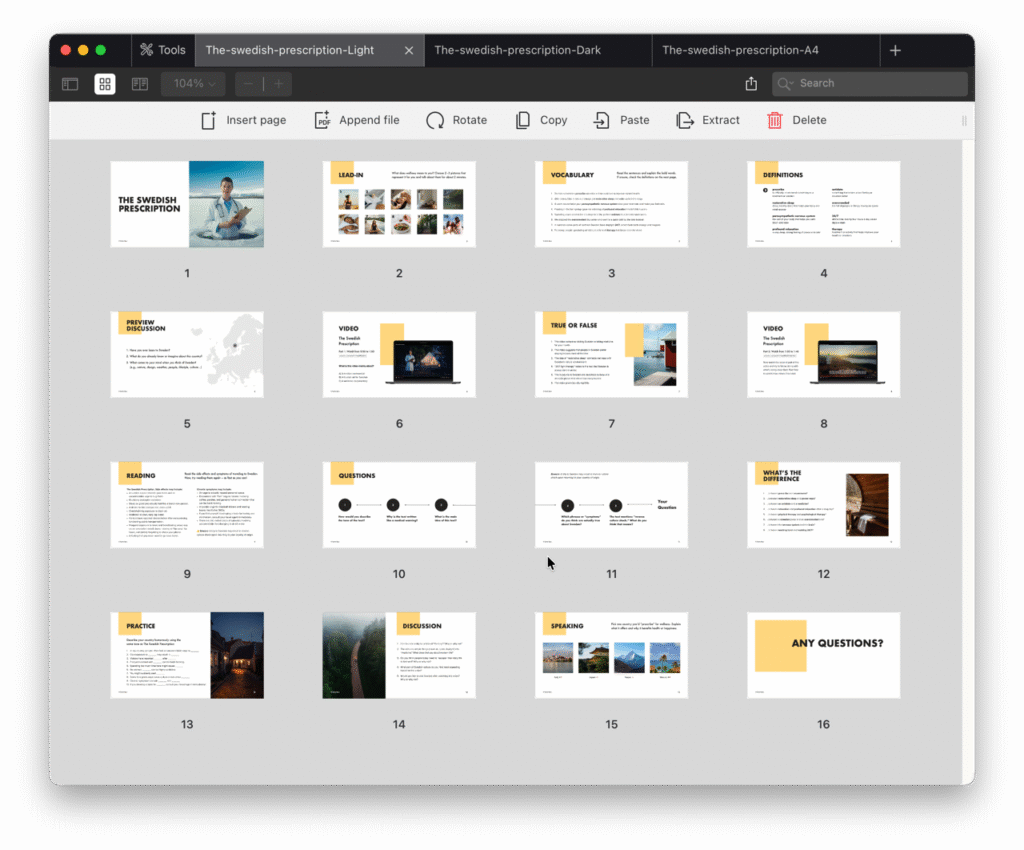
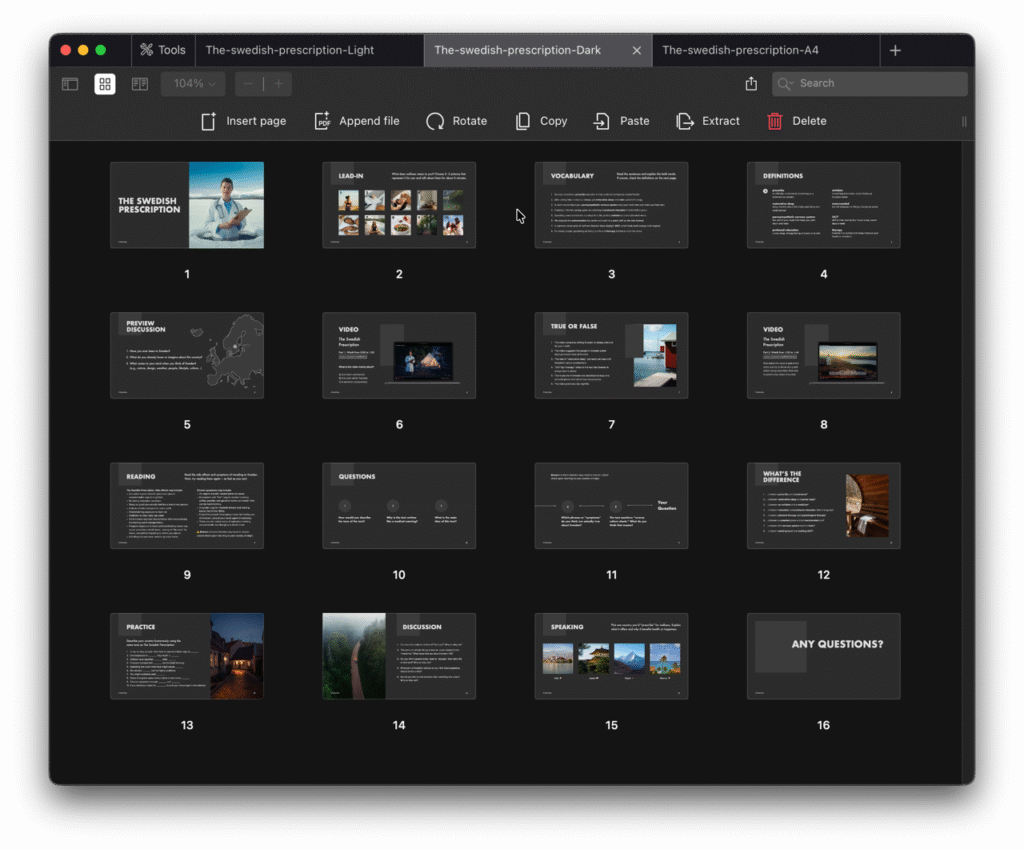
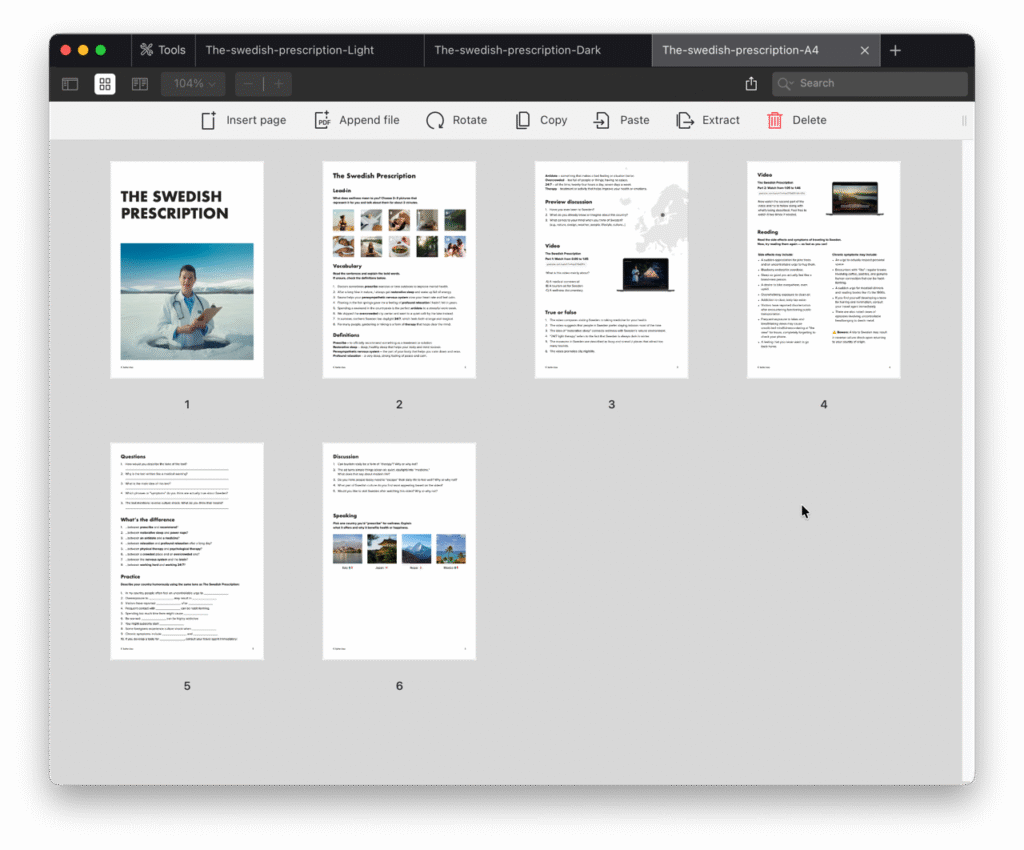
Start with the wellness photo selection on slide 2. Students choose 2-3 images that represent wellness to them and speak for two minutes. This gets them thinking about what health means beyond just physical fitness. B2 learners can handle abstract concepts like mental restoration and environmental therapy.
The vocabulary section introduces medical and wellness terms. Make sure students understand “parasympathetic nervous system” since it appears in discussions about how nature calms the body. The difference between “relaxation” and “profound relaxation” matters here because the lesson explores degrees of restoration. After definitions, students can explain the phrases in their own words.
The video comes in two parts. The first 1:05 minutes position Sweden as a wellness prescription with concepts like “restorative sleep” and “24/7 light therapy.” Students identify the genre as wellness documentary, not traditional tourism advertising. The second part runs from 1:05 to 1:46 and continues the medical metaphor. Play each section twice so students catch both the visuals and the clever narration.
The reading on slide 9 lists humorous side effects like “uncontrollable urge to hug pine trees” and “disorientation after encountering functioning public transportation.” This satirical tone works well with B2 students who understand irony. The speed reading challenge adds fun and tests fluency. The questions help students analyze why medical warning language creates humor and what it reveals about modern life stress.
The “What’s the Difference” section pushes vocabulary precision. Students explain distinctions between “crowded” versus “overcrowded” or “therapy” versus “antidote.” These nuanced comparisons develop their ability to choose exact words. The practice activity flips the format. Students describe their own country using the same humorous medical warning style, which recycles all the vocabulary creatively.
The discussion questions explore whether tourism can genuinely serve as therapy and what it means that people need to escape daily life for wellness. The final speaking task asks students to prescribe a country for wellness and explain its therapeutic benefits.
