
The Power of Pausing
This B2 lesson focuses on the power of pausing in public speaking. Students learn the difference between non-words and filler words, watch a video about intentional pausing, and practice reading paragraphs with and without pauses to hear the difference for themselves. It’s a practical skill that students can apply immediately in presentations, meetings, or any time they speak in front of others.
Lesson overview
- Sort common non-words and filler words into categories and discuss how they affect speech
- Watch a short video on pausing techniques and analyze speaking habits
- Practice reading paragraphs first without pauses, then with intentional pauses added
- Discuss public speaking confidence, interruptions, and when pauses go wrong
| Level | Vocabulary | Video Length | Lesson Time |
| B2 / Upper-Intermediate | 4 words | 1:23 min | 60 min |
Vocabulary
- Clarity
- Intentionally
- Littered speech
- Verbal clutter
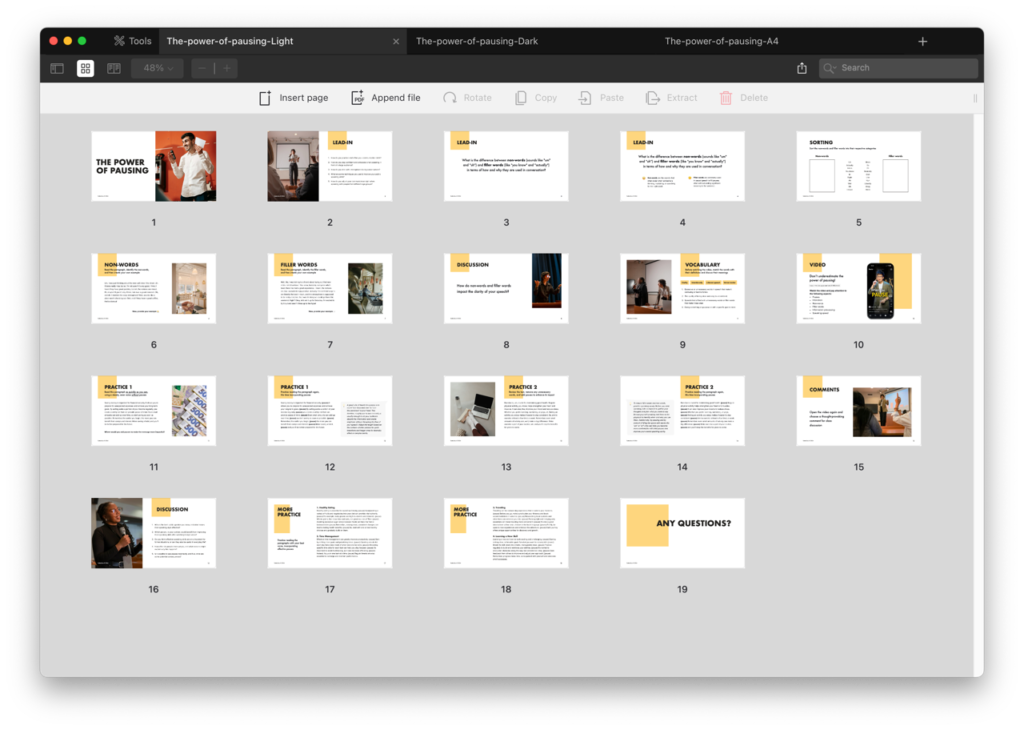
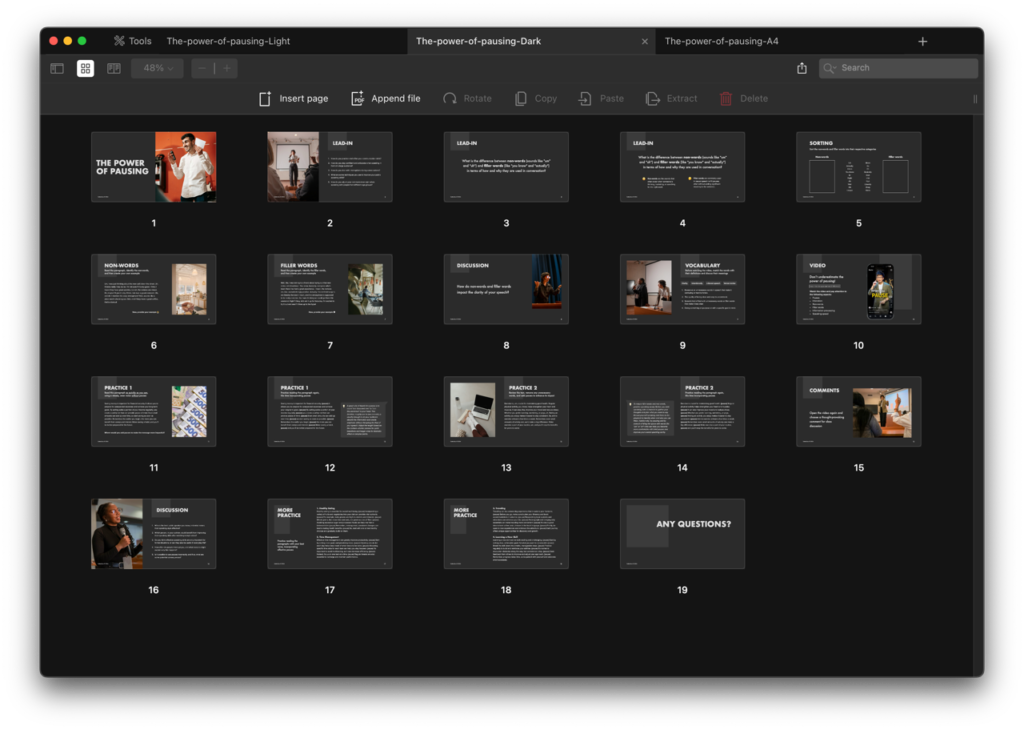
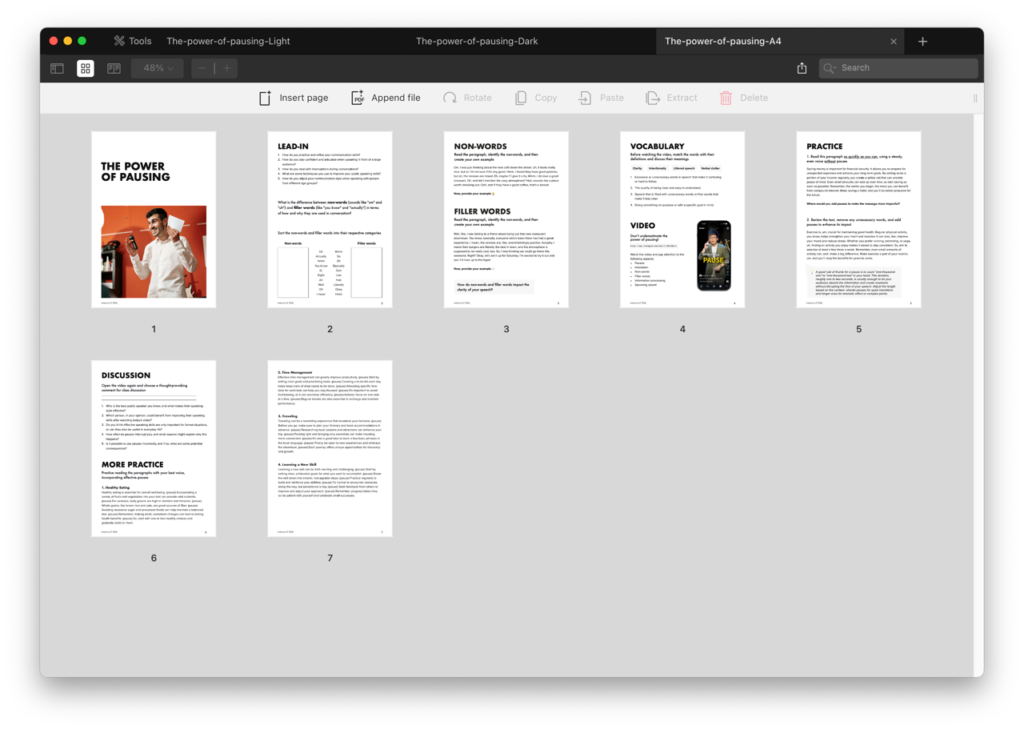
Contents
- Lead-in
- Non-words and Filler words
- Sorting
- Reading – Non-words
- Reading – Filler words
- Discussion
- Vocabulary
- Video
- Practice 1
- Practice 2
- Comments
- Discussion
- More practice
Begin with the lead-in questions about communication and public speaking. B2 students often have experience presenting at work or school, so these questions tend to get personal answers quickly. Then introduce the distinction between non-words like “um” and “uh” and filler words like “you know” and “basically.” The sorting activity on slide five gives students a clear list to categorize. Some items will surprise them, especially “well” and “so,” which many students don’t think of as fillers.
After sorting, move through the two identification paragraphs. The first is full of non-words, the second is packed with filler words. Students read each one, spot the problematic words, and then write their own short example using either non-words or fillers on purpose. This sounds silly, but it makes them more aware of these habits in their own speech. Cover the four vocabulary words next: clarity, intentionally, littered speech, and verbal clutter. These are quick to teach and come up naturally in the video discussion.
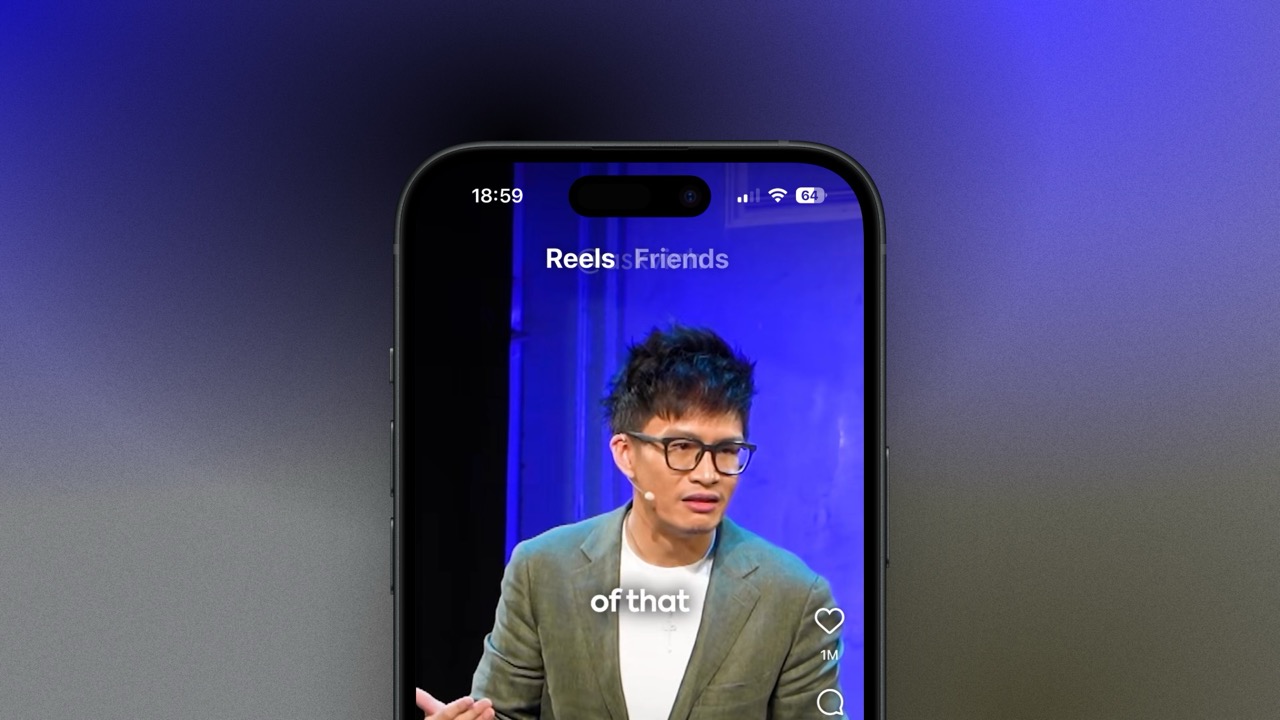
Play the Instagram video about pausing. Students watch for specific things: pauses, intonation, speaking speed, and filler use. After watching, go straight into Practice 1. Students read a paragraph about saving money as fast as they can with no pauses, then read it again with marked pauses. The contrast between the two readings is the real teaching moment. They can hear how much better the second version sounds. Practice 2 adds another layer. Students first remove fillers from a cluttered paragraph, then read the clean version with pauses. Record students if they’re comfortable with it, because hearing themselves back makes the lesson stick.
Wrap up with the discussion questions about public speaking in real life. Questions like “Who is the best public speaker you know?” and “Is it possible to use pauses incorrectly?” push students to think about what they’ve practiced. The extra reading paragraphs on slides seventeen and eighteen work well as take-home practice. Students can record themselves reading with pauses and bring the recordings to the next class for peer feedback.
