
The Hidden Costs of AI
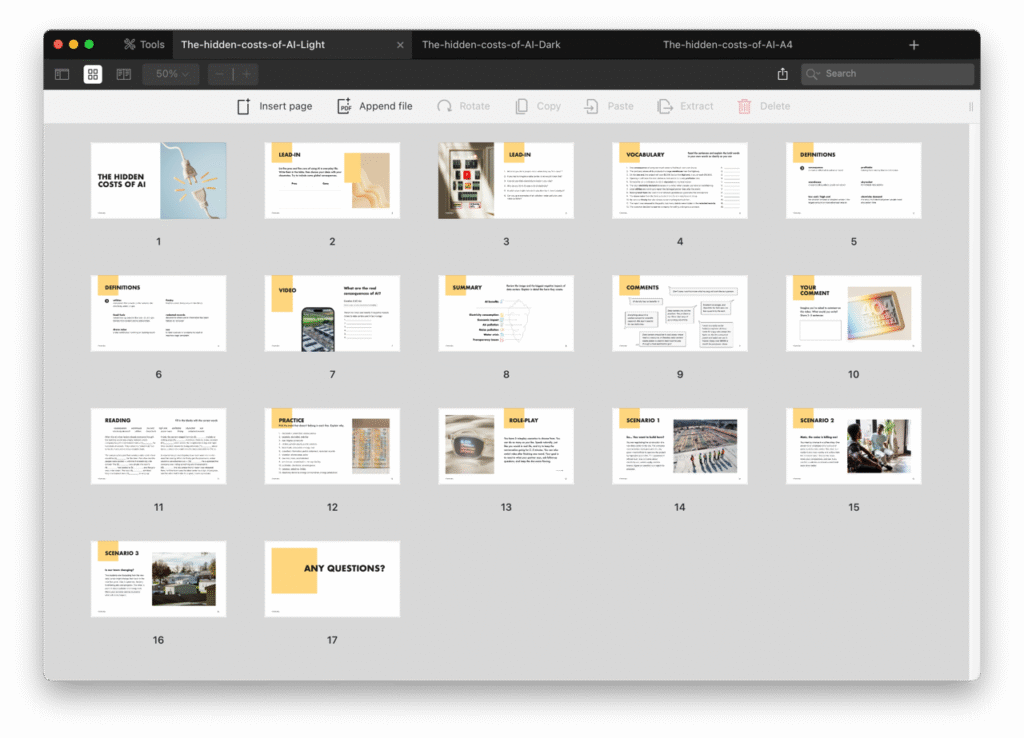
This B2 lesson examines the environmental and social costs of AI technology and data centers. Students learn vocabulary like “skyrocket,” “fossil fuels,” and “redacted records,” then watch a video about AI’s hidden impacts. Activities include analyzing consequences, role-playing negotiations between companies and residents, and discussing real-world sustainability issues.
Lesson overview
- Practice vocabulary for discussing technology’s impact including consequence, electricity demand, fossil fuels, and greenhouse gases
- Watch a video identifying six negative impacts of data centers like water use, noise pollution, and air pollution
- Read a story about a town struggling with a new data center and fill in blanks with target vocabulary
- Role-play scenarios including company-government negotiations, employee-resident conflicts, and student debates about progress versus pollution
| Level | Vocabulary | Video Length | Lesson Time |
| B2 / Upper-Intermediate | 12 words | 2:43 min | 60-70 min |
Vocabulary
- consequence
- warehouse
- low end / high end
- profitable
- skyrocket
- electricity demand
- utilities
- fossil fuels
- drone noise
- finicky
- redacted records
- sue
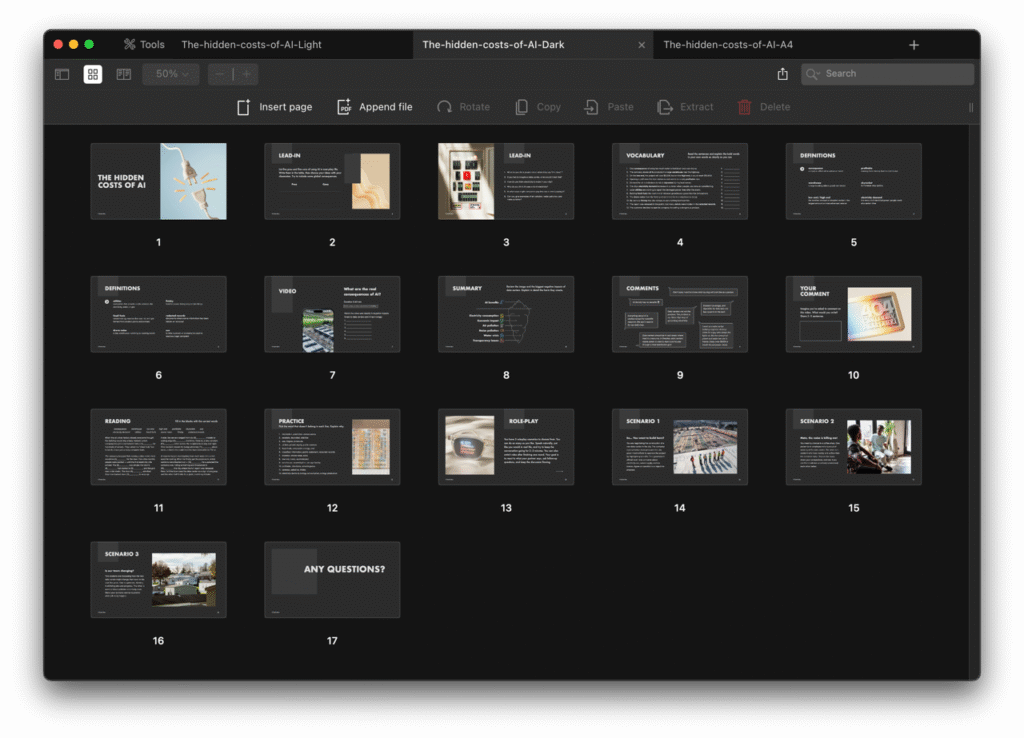
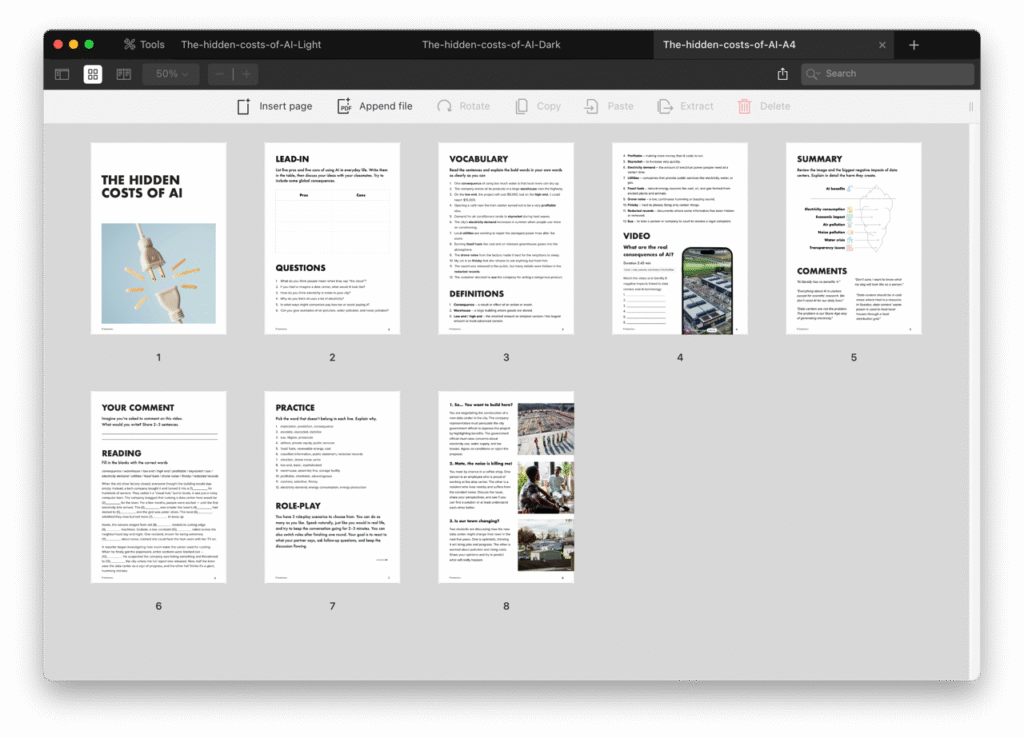
Contents
- Lead-in 1
- Lead-in 2
- Vocabulary
- Definitions
- Video
- Summary
- Comments
- Your comment
- Reading
- Practice
- 3 Role-plays
Start with the pros and cons table. Students list five of each for AI in everyday life. Push them to think beyond personal convenience and consider global consequences like energy use or job loss. Share ideas as a class and write interesting ones on the board. Then do the pre-video questions. Question 1 about “the cloud” often reveals students think it’s abstract, not physical warehouses. This sets up the video nicely.
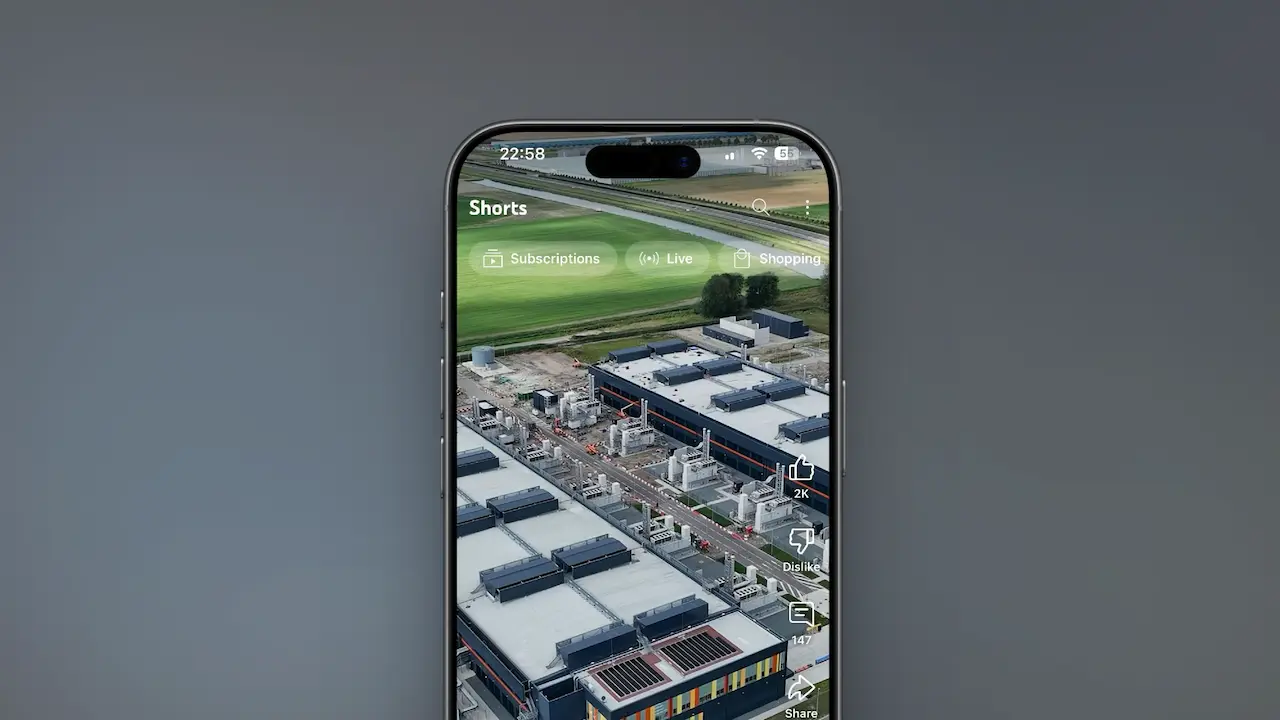
Move to vocabulary. Students read sentences and explain bold words in their own words. Then they check definitions on the next page. Words like “skyrocket” and “finicky” are useful beyond this topic, so spend time on examples. The video is short but packed with information about electricity consumption, water crisis, noise pollution, and transparency issues. Play it twice. First time for main ideas, second time to catch the six specific negative impacts. Students write them down, then you review together.
The summary section shows an image with AI’s biggest negative impacts. Students explain each one in detail using information from the video and their own knowledge. This moves beyond comprehension into analysis. The comments section shows real YouTube-style reactions. Students read them and notice the range of opinions from dismissive to concerned to solution-focused. Then they write their own two to three sentence comment. This personalizes the content and practices written voice.
The reading gap-fill tells a story about a town dealing with a new data center. Students use the word bank to complete it. Check answers together, then discuss whether the town made the right choice. The practice section has students identify which word doesn’t belong and explain why. This deepens vocabulary understanding through comparison and categorization.
End with role-plays. There are three scenarios covering company-government negotiation, employee-resident conflict, and student debate about the future. Put students in pairs and assign or let them choose scenarios. Give two minutes to prepare, then five minutes for the role-play. Encourage them to use lesson vocabulary and keep the conversation natural. If time allows, students can switch roles or try a second scenario.
