
The Dark Side of Airbnb
This C1 lesson covers Airbnb privacy problems through two CNN investigation videos about hidden cameras in rentals. Students practice vocabulary like paranoid, due diligence, and allegation while talking about ethical issues in short-term rentals. The lesson uses video comprehension, collocation exercises, and discussions about guest safety and privacy in the sharing economy.
Lesson overview
- Learn twelve advanced vocabulary terms including eerie, footage, consent, and law enforcement
- Practice video comprehension with CNN investigation on hidden cameras in Airbnb properties
- Develop critical thinking through discussions about privacy violations and rental accommodation safety
- Explore practical techniques for detecting hidden cameras using flashlights and Wi-Fi scanners
| Level | Vocabulary | Video Length | Lesson Time |
| C1 / Advanced | 12 words | 5:45 and 3:00 min | 60-80 min |
Vocabulary
- Paranoid
- Lightbulb moment
- Seize
- Eerie
- Wash hands clean
- Footage
- Travesty
- Law enforcement
- Consent
- Hidden in plain sight
- Due diligence
- Allegation
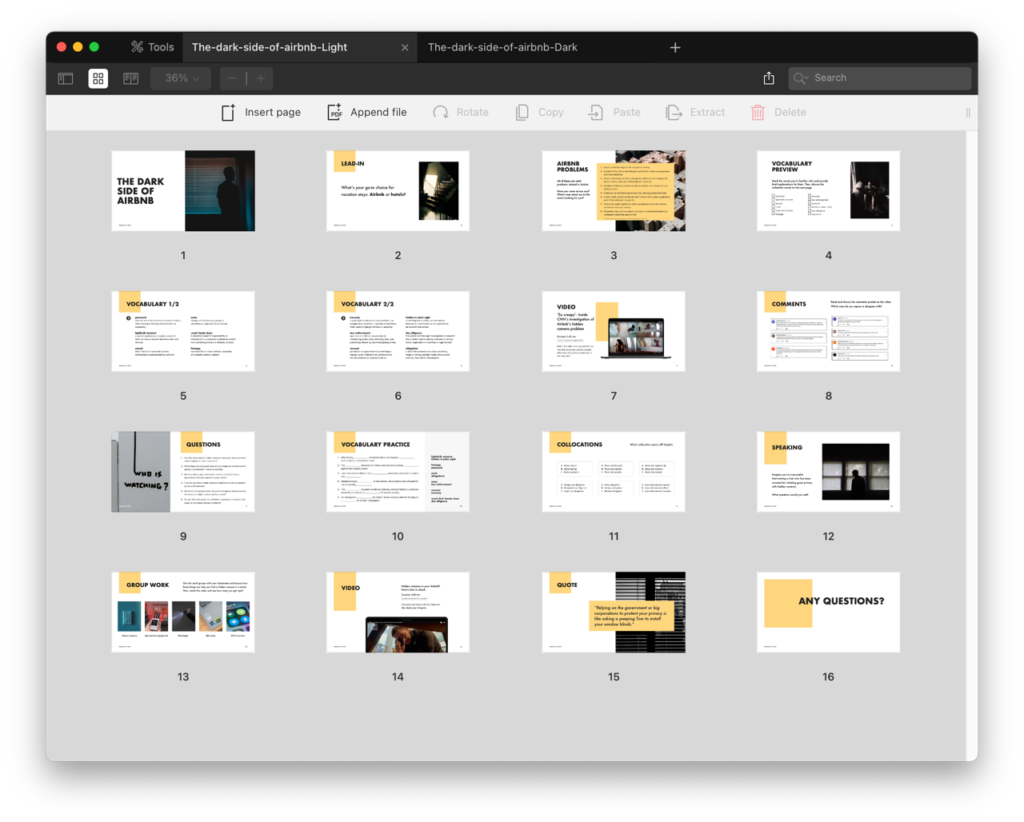
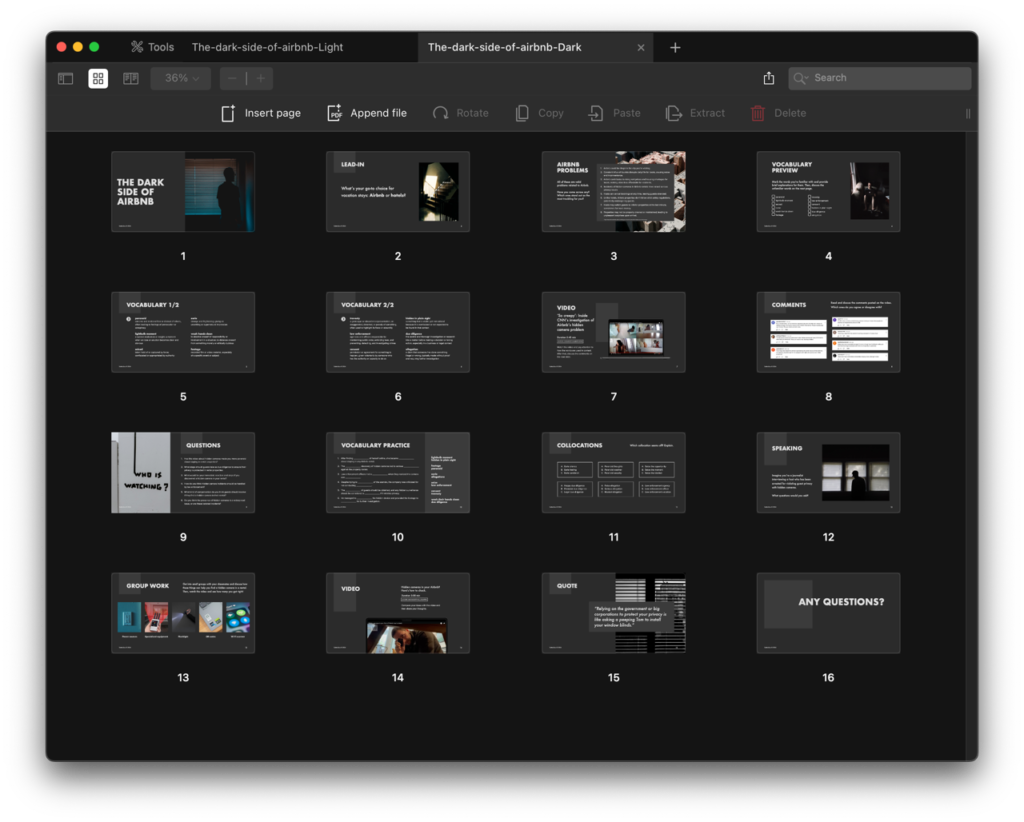
Contents
- Lead-in
- Airbnb problems
- Vocabulary preview
- Vocabulary
- Video
- Comments
- Questions
- Vocabulary practice
- Collocations
- Speaking
- Group work
- Video
- Quote
Start with the lead-in about Airbnb versus hotels. The eight problems slide lists everything from illegal rentals to hidden cameras. Have students rank their top three concerns and explain why. C1 students have rented places and will tell you exactly which problems they’ve dealt with or worry about most.
The vocabulary preview shows students the twelve terms before you teach them. Idioms like wash hands clean and hidden in plain sight come up when discussing how Airbnb distances itself from these incidents. The first CNN video runs nearly six minutes with interviews from guests who found cameras in their rentals. Play it once straight through. The YouTube comments activity works because students see how regular people reacted to the investigation. Six discussion questions ask what students would do if they discovered a camera and what punishment hosts deserve.
The gap-fill practice checks if students can use multiple vocabulary words in the same sentence naturally. The collocation exercise is trickier than it looks. C1 students laugh at “eerie sandwich” and “paranoid weather” immediately but explaining why these fail shows whether they truly understand the words or just have good instincts.
The journalist interview role play gets heated when one student plays a host trying to justify hidden cameras. I’ve watched this turn into genuine arguments about consent and reasonable security measures. The group brainstorm about detection methods happens before the second video so students invest in their predictions. Items like flashlights seem useless until the video shows how camera lenses reflect light differently than normal objects. The closing quote about not trusting corporations or government to protect privacy hits harder after watching both videos.
