
The Copycat City
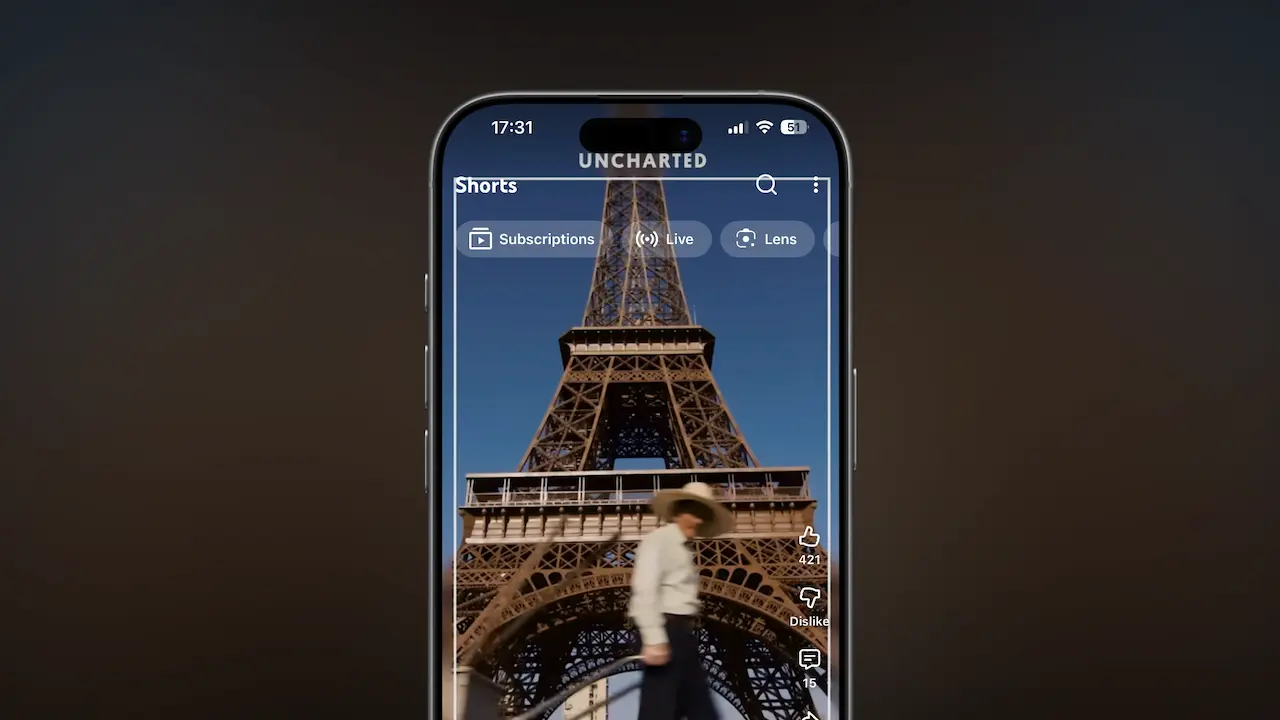
This B1 lesson looks at copycat cities and what happens when developers try to recreate famous places from scratch. Students watch a short video about Tianducheng, the Chinese city built to look like Paris, complete with a replica Eiffel Tower. The lesson covers vocabulary like ghost town, lookalike, and replica, and gets students talking about copying in architecture, fashion, and everyday life.
Lesson overview
- Learn vocabulary for describing copies and imitations through real-world examples
- Watch a short video about China’s ghost town Paris and answer comprehension questions
- Discuss whether copying famous cities is a smart idea or a missed opportunity
- Practice unscrambling sentences and using new words in a speaking activity
| Level | Vocabulary | Video Length | Lesson Time |
| B1 / Intermediate | 12 words | 1:09 min | 60 min |
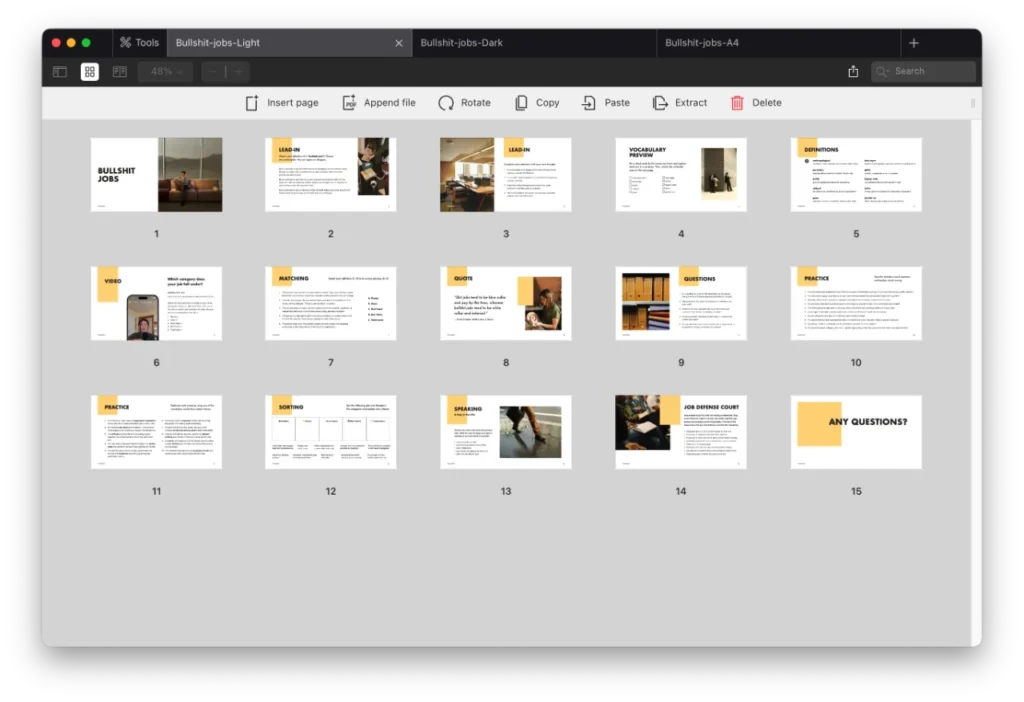
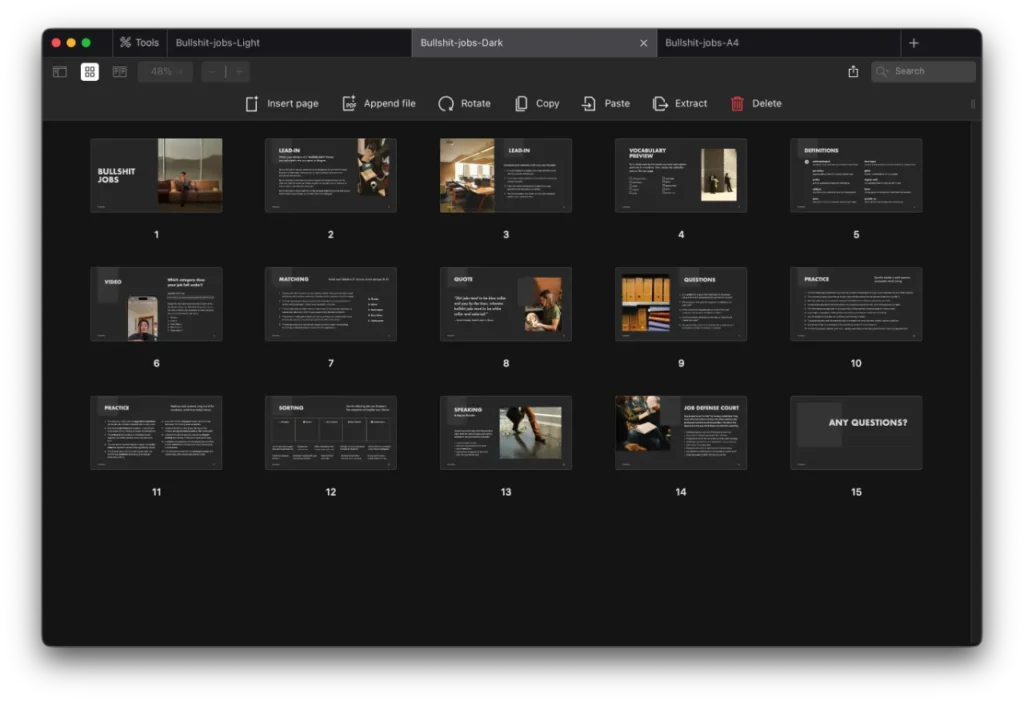
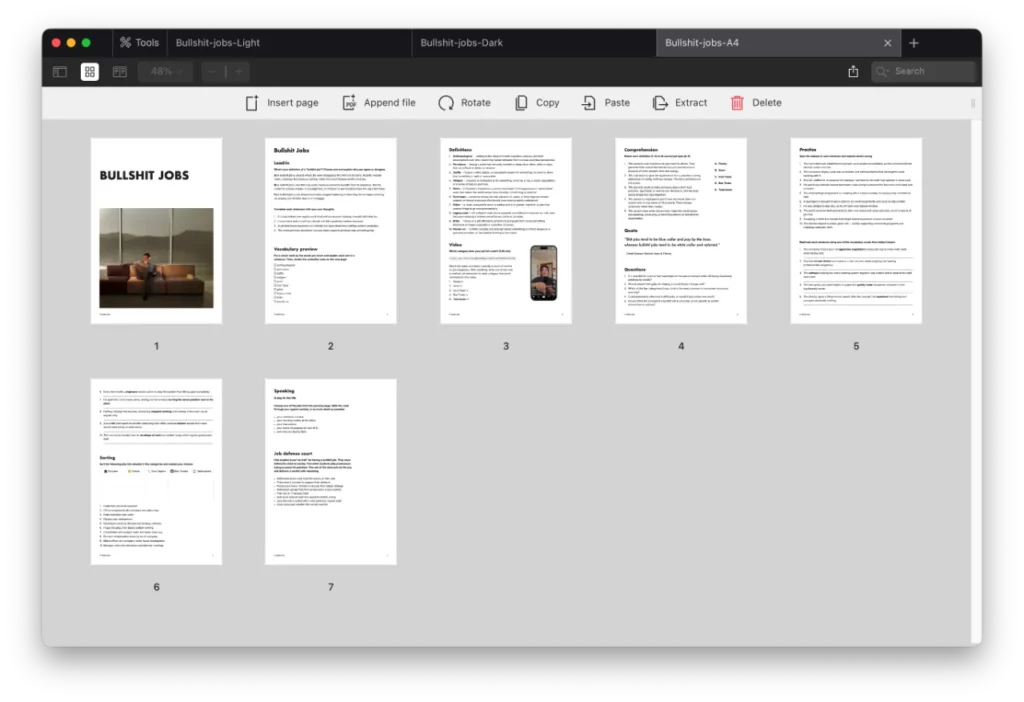
Vocabulary
- apocalypse
- real estate
- lookalike
- pop up
- construction
- ghost town
- replica
- copycat
- original
- backdrop
- newlyweds
- imitation
Contents
- Lead-in
- Vocabulary
- Definitions
- Preview discussion
- Video
- Questions
- Agree or disagree
- Quote
- Questions
- Unscramble the sentences
- Speaking
- Homework
Start the lesson with the lead-in questions on slide 1. Ask students if they’ve ever seen a fake or copy of something famous. Most will have an opinion, and this gets the class talking right away. Slide 2 works well as a prediction activity. Show the two images of the Eiffel Tower, one real and one the Chinese replica in Tianducheng, and ask students what they notice. They often assume both are the original, so the reveal generates genuine discussion. Ask what headline they would write for a newspaper if these images appeared side by side.
For vocabulary on slide 3, have students read each sentence and try to explain the bold word before looking at the definitions. This works better than reading definitions cold because students actually think about meaning in context. Slides 4 and 5 then confirm their guesses. Spend a moment on ghost town and copycat since these come up in the video and the speaking activity later.
Before playing the video, read the preview text on slide 6 together and discuss the two questions. Students at B1 level often have strong opinions about why China would build a copy of Paris, and this sets up the video nicely. The video is only 69 seconds, so you can play it twice. Use the true/false on slide 7 to check understanding, then move to the question-writing activity on slide 8. Writing the questions rather than just answering them pushes students to think about grammar structure, and it works well in pairs.
Wrap up with the agree/disagree activity on slide 9 and the quote on slide 10. The quote tends to spark debate, so give it a few minutes. If time allows, the speaking card activity on slide 12 works well as a final pair activity to round off the lesson.
