
The Beauty of Spring
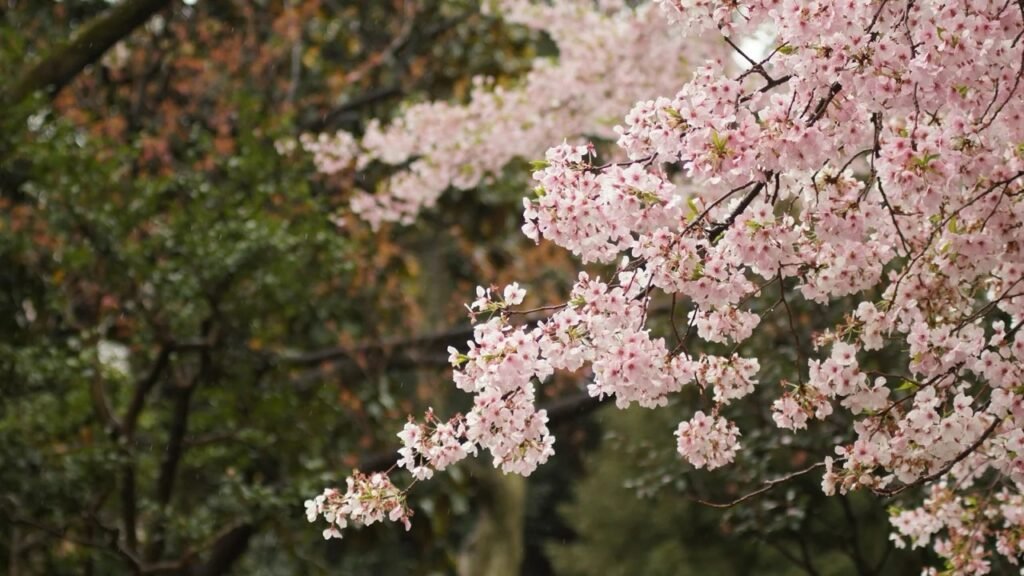
This B1 lesson celebrates spring through descriptive vocabulary and personal experiences. Students learn words to describe seasonal changes, weather patterns, and outdoor activities while discussing what spring means in different climates and cultures around the world.
Lesson overview
- Practice vocabulary for describing spring weather and natural changes
- Learn expressions for talking about seasonal activities and experiences
- Develop speaking skills about personal preferences and childhood memories
- Discuss cultural traditions and celebrations associated with springtime
| Level | Vocabulary | Lesson Time |
| B1 / Intermediate | 10 words | 60 min |

Vocabulary
- greenery
- blossom
- mud
- allergies
- picnic
- showers
- fragrance
- breeze
- terrace
- awakening
Contents
- Lead-in
- Discussion
- Vocabulary match
- Vocabulary practice
- Reading
- Writing
- Unscramble sentences
- Odd one out
- Speaking
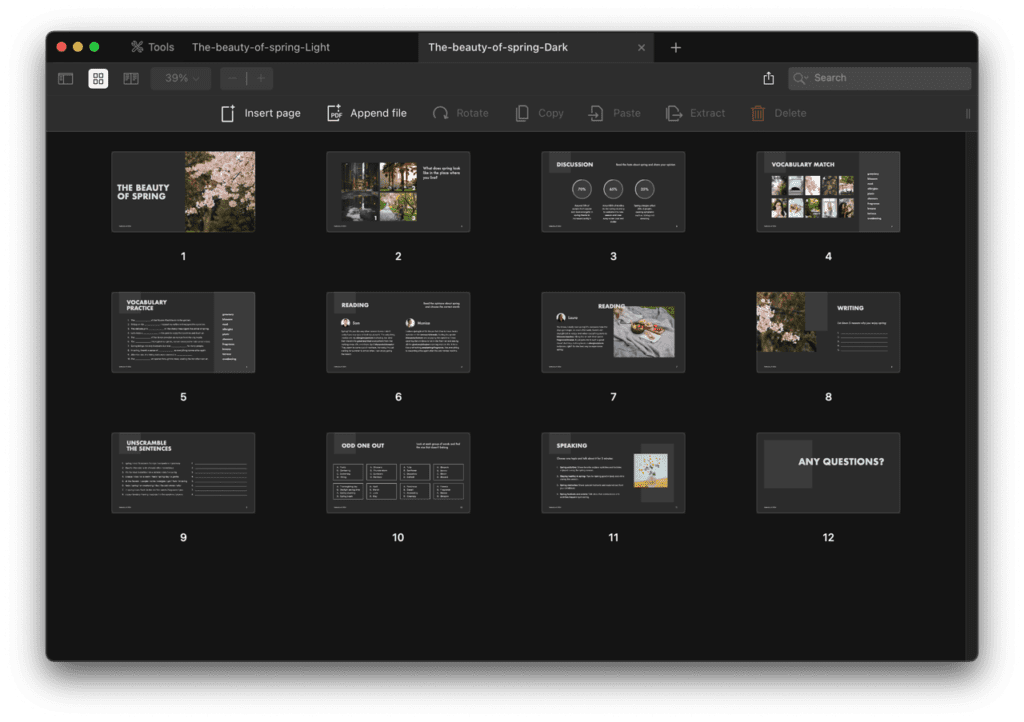
Start with the visual prompt on page 2 showing three spring scenes. Students describe what spring looks like where they live. This works well as open class discussion since spring varies by region. Some students experience dramatic temperature shifts and blooming flowers, while others notice more subtle changes.
Page 3 presents statistics about spring as discussion starters. The facts about happiness, spring cleaning, and allergies give students concrete talking points. Ask follow-ups like “Do you do spring cleaning?” or “How do allergies affect your daily life?”
The vocabulary matching on page 4 introduces core spring terms through images. Students match words like “greenery,” “blossom,” “mud,” and “allergies” with pictures. After matching, drill pronunciation and have students create example sentences. Pay attention to collocations like “spring showers” and “gentle breeze.”
Page 5 provides gap-fill sentences where students insert vocabulary from page 4. Check answers as a class and discuss any sentences where multiple words could fit.
Pages 6-7 feature reading passages where three people share feelings about spring. Students choose the correct word from pairs in each text. After completing the exercise, discuss which person students relate to most. Sam is indifferent, Monica loves spring, and Laura appreciates longer days and outdoor possibilities.
Page 8 asks students to list five reasons they enjoy spring. Students work individually then share in pairs or small groups.
The sentence unscrambling on page 9 has students reorder words to create sentences about spring. For stronger classes, have students create their own scrambled sentences for partners to solve.
Page 10 presents “odd one out” where students identify which word doesn’t belong in each group. For example, “sunflower” blooms in summer rather than spring. Discuss why each answer is correct.
The speaking task on page 11 offers four topics ranging from activities to memories to health tips. Students choose one and speak for three minutes. Encourage listeners to ask follow-up questions.
