
That Annoying Friend
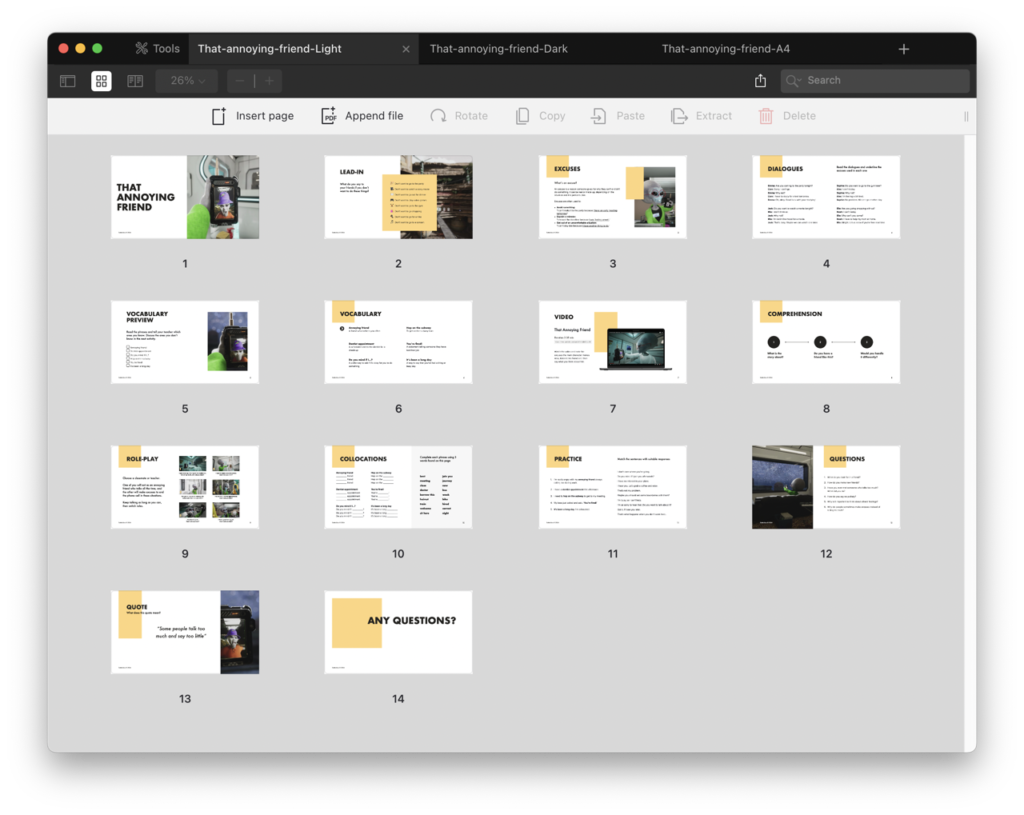
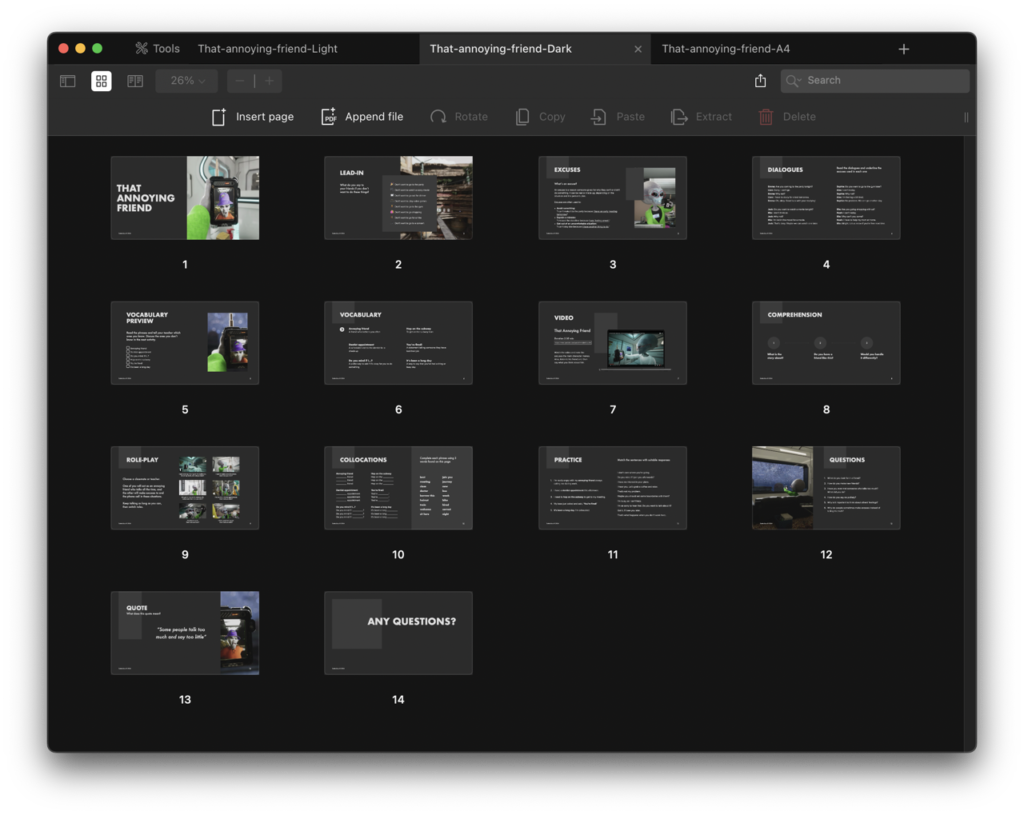
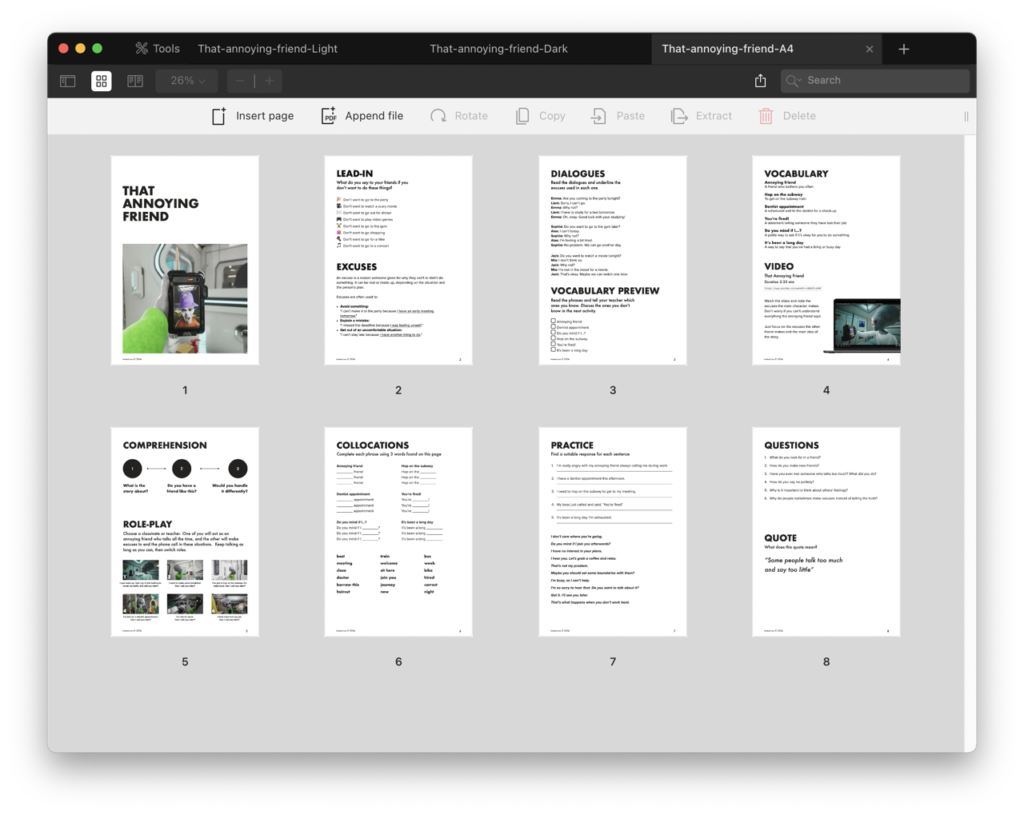
This A2 lesson is all about making excuses and dealing with that one friend who never stops talking. Students learn useful phrases for saying no politely, watch a funny video, and practice through role-plays and matching activities. It’s a great topic because every student knows someone like this.
Lesson overview
- Learn common phrases for making excuses and saying no politely
- Watch a short video about an annoying friend and discuss what happens
- Practice role-playing phone calls using excuses in everyday situations
- Build collocations with words like “hop on,” “do you mind,” and “appointment”
| Level | Vocabulary | Video Length | Lesson Time |
| A2 / Pre-Intermediate | 6 phrases | 2:35 min | 60 min |
Vocabulary
- Annoying friend
- Dentist appointment
- Do you mind if I…?
- Hop on the subway
- You’re fired!
- It’s been a long day
Contents
- Lead-in
- Excuses
- Dialogues
- Vocabulary preview
- Vocabulary
- Video
- Comprehension
- Role-play
- Collocations
- Practice
- Questions
- Quote
Start with the lead-in activity. Students look at eight situations where they don’t want to do something, like going to a party or the gym, and say what they’d tell their friend. At A2 level, keep it simple. If students struggle, give them a model sentence like “Sorry, I can’t. I have to…” and let them fill in the rest. This warms them up for the excuse theme and gets them talking right away.
Move into the short explanation of what excuses are, then read through the four dialogues together. Have students underline the excuses in each one. This is straightforward but important because it shows them real patterns they’ll use later. After checking answers, go over the vocabulary preview. Six phrases come up in the video, so make sure students understand them before watching. Spend extra time on “Do you mind if I…?” since polite requests can be tricky at this level.
Play the video once all the way through, then a second time if needed. Students write down the excuses they hear and share opinions about the friend in the video. The comprehension questions work well as pair discussion. After that, jump into the role-play. One student plays the annoying friend who won’t stop talking, and the other makes excuses to end the call. This is usually the highlight of the lesson because students get creative and it’s genuinely funny.
Finish with the collocations exercise and the sentence-response matching activity. The collocations task asks students to swap words in phrases like “hop on the subway” or “dentist appointment” with new options. It builds flexibility with these chunks. Save the discussion questions for the last few minutes, or assign one or two as homework if you run short on time.
