
Surviving a Power Outage
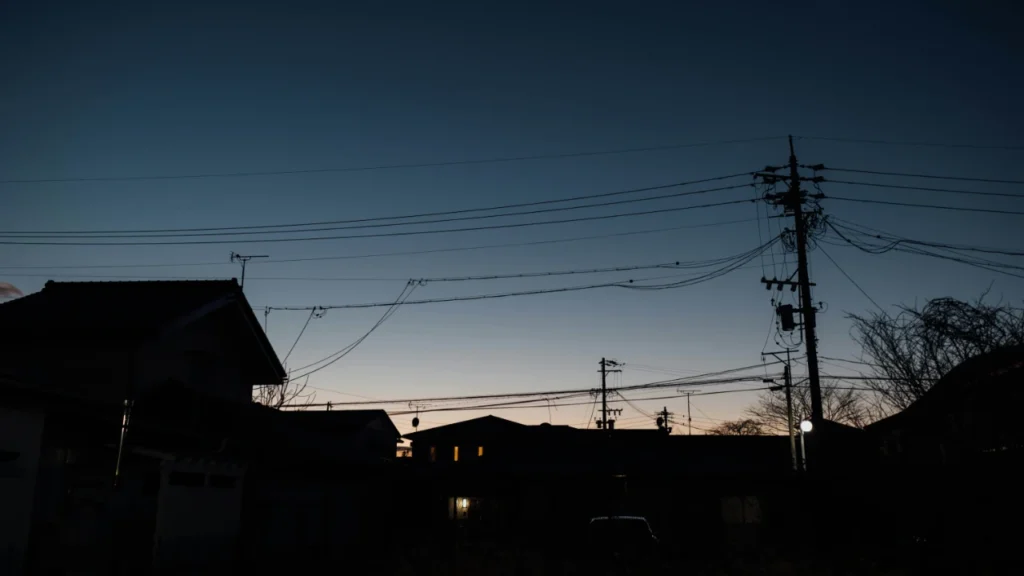
This B2 lesson explores surviving a power outage through an article about emergency preparedness and practical strategies. Students learn vocabulary like “stock up,” “non-perishable,” and “pitch darkness,” then create personalized blackout survival checklists. The activities include ranking blackout problems by seriousness, identifying myths versus facts, analyzing emergency kits for different scenarios, and debating whether modern cities are designed to survive long outages.
Lesson overview
- Build emergency preparedness vocabulary including food storage, safety equipment, and survival strategies
- Read an article explaining dangers like carbon monoxide, candle fires, and why dead phones create serious problems
- Practice critical thinking by choosing eight most important survival items from the text
- Develop debate skills by arguing whether people today struggle more with blackouts than 50 years ago
| Level | Vocabulary | Reading Time | Lesson Time |
| B2 / Upper-Intermediate | 10 words | 5 min / 851 words | 60 min |
Vocabulary
- blackout
- portable
- non-perishable
- stock up (on)
- canned food
- layer up
- thermos
- reflective
- pitch darkness
- dorky
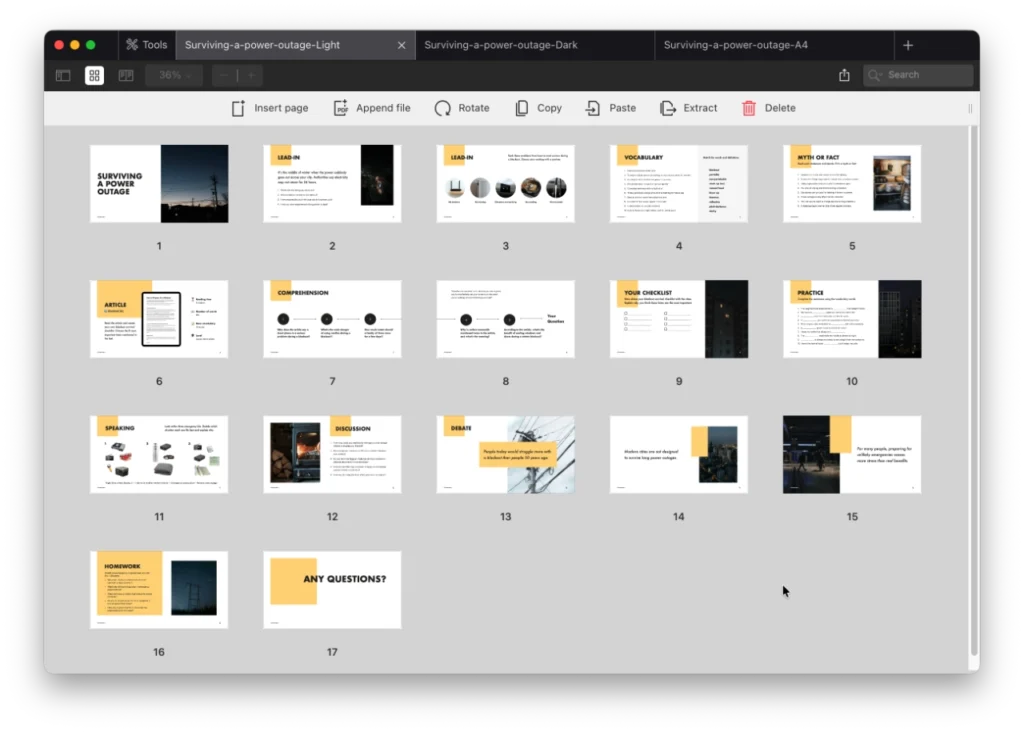
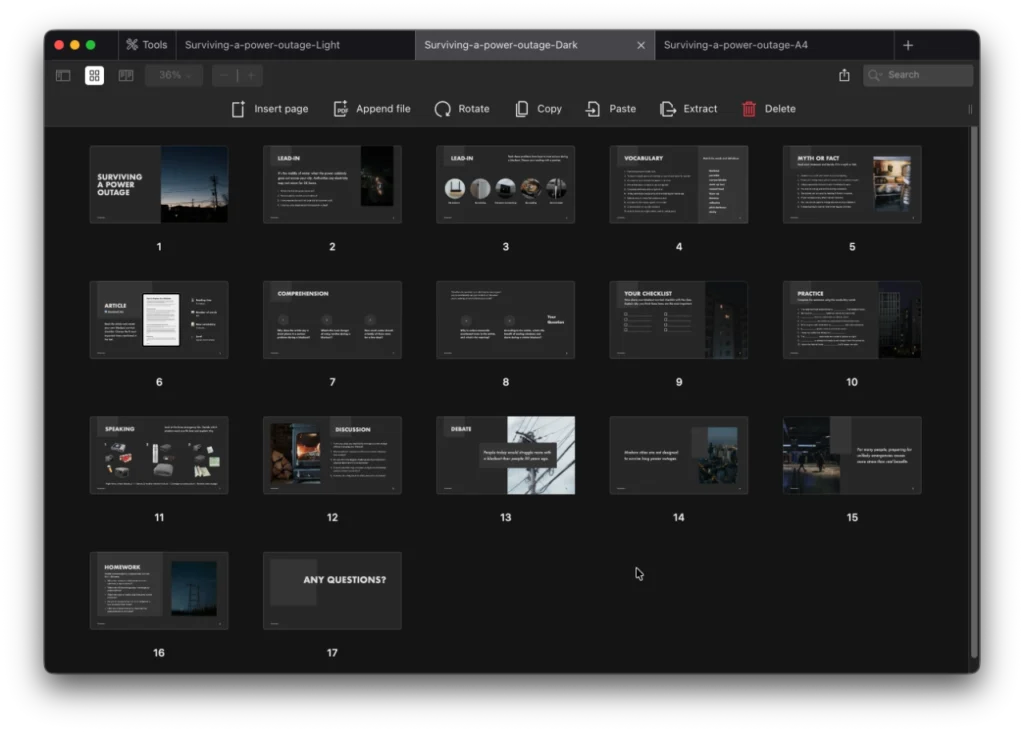
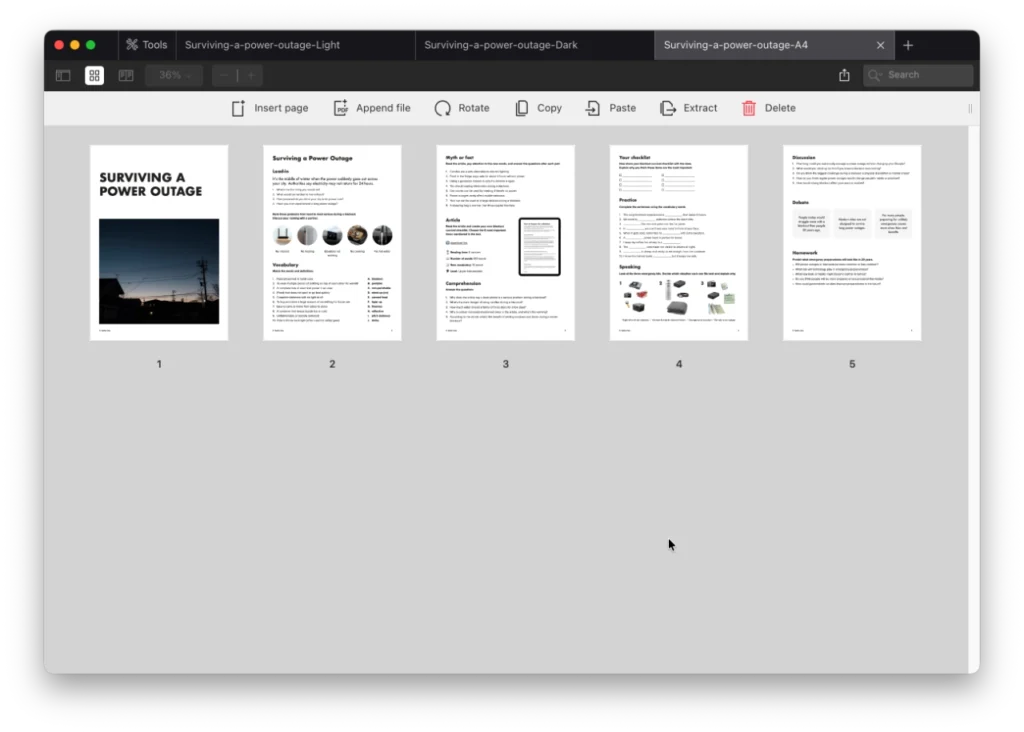
Contents
- Lead-in
- Vocabulary
- Myth or fact
- Article
- Comprehension
- Your checklist
- Practice
- Speaking
- Discussion
- Debate
- Homework
Start with a scenario: winter power outage lasting 24 hours. Students discuss what they’d do first and rank five blackout problems from least to most serious: no internet, heating, elevators, cooking, or hot water.
The vocabulary section teaches ten terms including “blackout,” “non-perishable,” and “layer up.” The myth-or-fact activity presents eight statements about candle safety, generator use, and food preservation. Students decide which are myths before reading.
The article runs 851 words covering portable chargers, flashlights versus candles, water storage, non-perishable food, carbon monoxide warnings, and layering clothes. Students create personalized checklists choosing eight most important items mentioned. Comprehension questions test understanding of why dead phones are serious, candle dangers, and carbon monoxide warnings appearing twice.
Practice sentences use vocabulary like “stock up” and “pitch darkness.” The speaking activity shows three emergency kits. Students decide which situation each fits: nighttime winter blackout, network failure, evacuation, or remote outage. Discussion explores how long students could manage without lifestyle changes and whether physical or mental challenges are harder.
Three debates argue whether people today struggle more than 50 years ago, whether modern cities survive long outages, and whether preparation causes more stress than benefits. For homework, students predict emergency preparedness in 20 years.
