
Spotting a Scam
This B2 lesson teaches students how to recognize and respond to scams. They analyze real-world scam scenarios, learn vocabulary like “fraud,” “money laundering,” and “warrant,” then watch a video where a police captain receives a scam call. The lesson includes practice identifying red flags and writing safe responses to suspicious requests.
Lesson overview
- Practice vocabulary related to fraud, identity theft, and law enforcement
- Analyze common scam tactics including phishing emails and fake phone calls
- Watch a police officer turn the tables on a scammer during a recorded call
- Develop writing skills by crafting safe responses to suspicious requests
| Level | Vocabulary | Video Length | Lesson Time |
| B2 / Upper-Intermediate | 10 words | 3:44 min | 60 min |
Vocabulary
- Verify
- Cooperate
- Law enforcement agencies
- Social security number
- Fraud
- Money laundering
- Drug trafficking
- Allegation
- Warrant
- Criminal charge
Contents
- Lead-in
- Speaking
- Reading
- Vocabulary match
- Video
- Questions
- Practice
- Discussion
- Writing
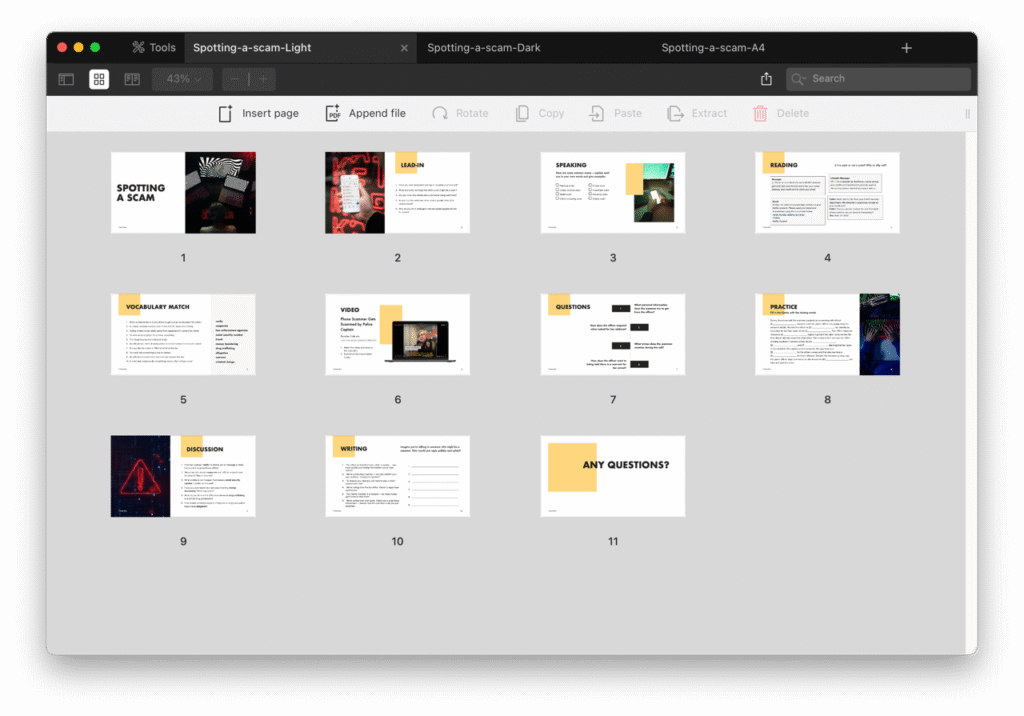
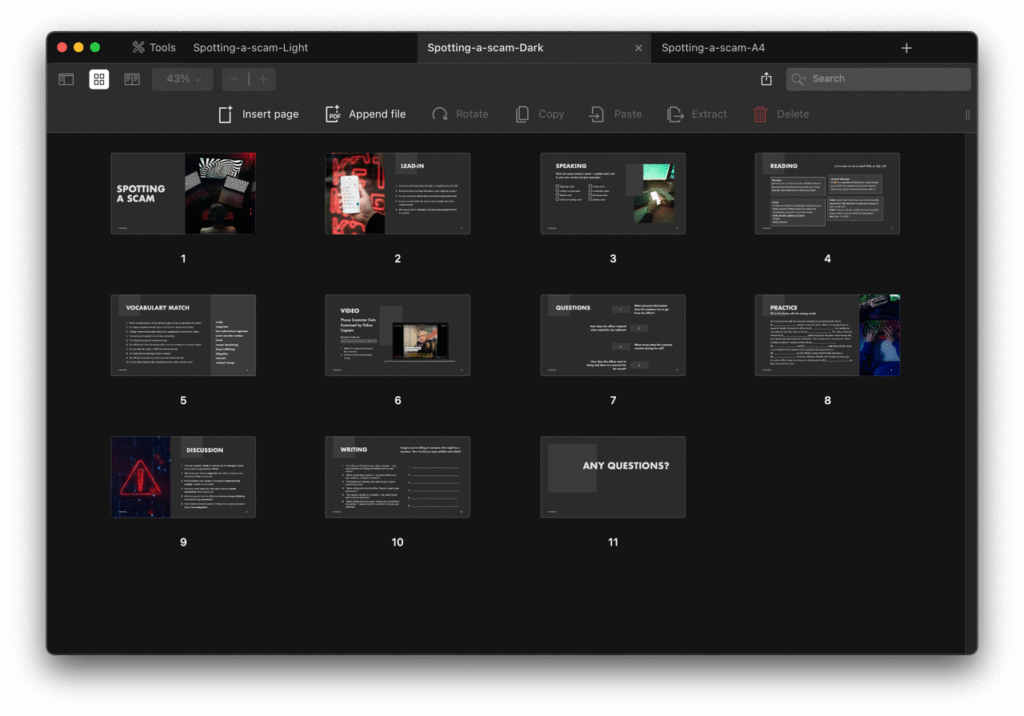
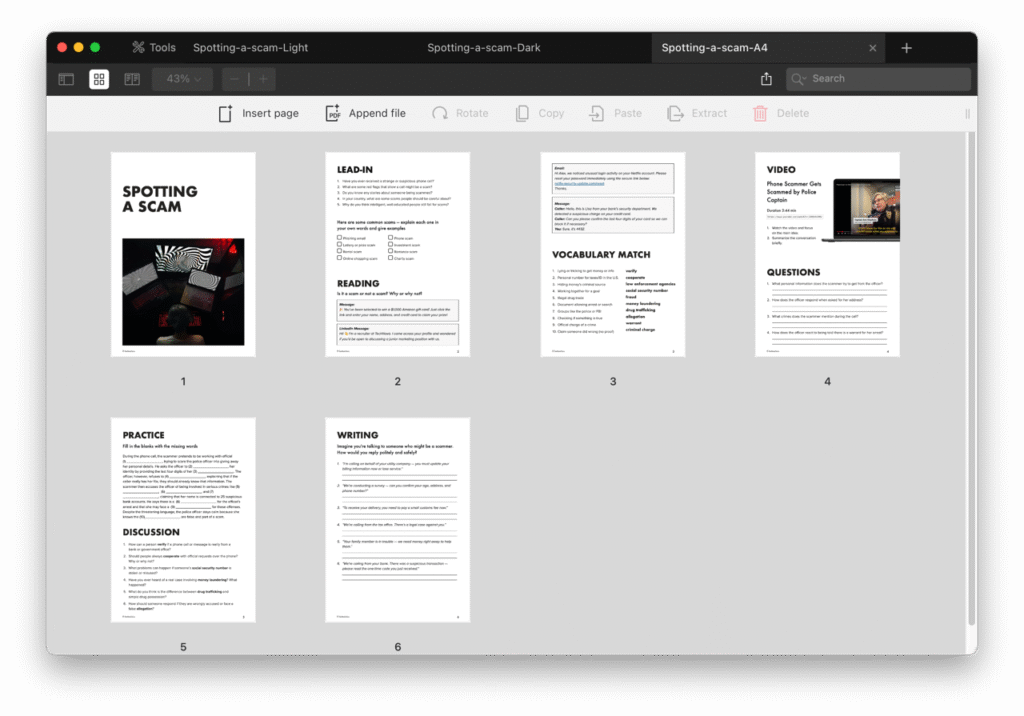
Start with the lead-in questions about suspicious calls and scam experiences. Question five about why educated people fall for scams usually generates interesting discussion because it challenges assumptions about intelligence and vulnerability. The speaking activity lists eight common scam types. Students explain each one in their own words, which checks prior knowledge and introduces the topic naturally.
The reading section shows four scenarios and students decide which are scams and which are legitimate. This works better than just telling them about scams because they practice actual analysis. The LinkedIn message could be real or fake depending on details, which makes for good debate. The Amazon gift card one is obvious, but the Netflix email looks more convincing because of specific language.
Go through the vocabulary matching before the video. Words like “fraud” and “verify” are broadly useful, while “drug trafficking” and “money laundering” are specific to crime contexts. These come up in the video, so pre-teaching them helps comprehension.
The video is under four minutes and shows a police captain receiving a scam call. The scammer tries standard intimidation tactics, but the officer stays calm and asks questions that expose the fraud. Students summarize the conversation after watching. The comprehension questions check what information the scammer requested and how the officer responded. Question four about her reaction is interesting because she doesn’t get angry, just methodical.
The fill-in-the-blanks practice reviews vocabulary by having students complete a summary of the phone call. This reinforces the words in context and checks whether they understood the video’s content. The discussion questions push deeper thinking about verification, cooperation with authorities, and consequences of identity theft. Question six about responding to false allegations connects to the video scenario.
The writing task gives six scam scenarios and students write safe responses to each one. This is practical skill-building because they need to be polite but firm, avoid giving information, and end the conversation. Model one or two examples first so they understand the tone. Responses like “I’ll call my utility company directly using the number on my bill” show they’ve learned the verification principle.
