
Smartwatches: Are They as Smart as We Think?
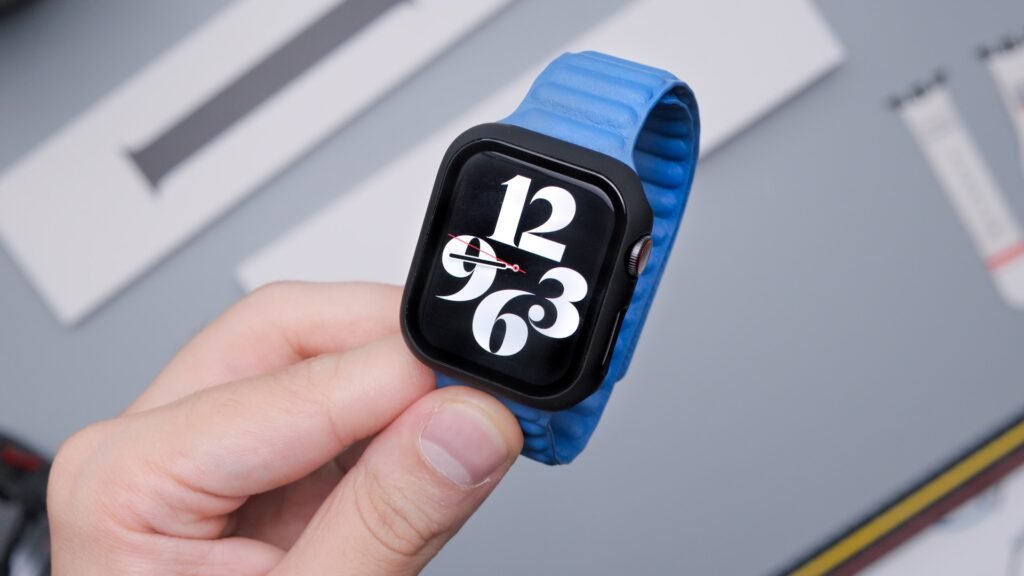
This advanced C1 lesson explores the world of smartwatches and wearable technology through critical analysis and discussion. Students examine whether smartwatches truly deliver on their promises or create more problems than they solve. The lesson features an engaging article about wearable tech, vocabulary focused on technology and consumer culture, and thought-provoking activities about data privacy and planned obsolescence.
Lesson overview
- Practice advanced vocabulary related to technology, consumer habits, and modern gadgets
- Discuss the benefits and drawbacks of wearable technology and data privacy
- Develop critical thinking skills by analyzing smartwatch features and technological dependency
- Explore the concept of dumb tech versus smart tech innovations
| Level | Vocabulary | Reading Time | Lesson Time |
| C1 / Advanced | 15 words | 7 min / 1274 words | 60 min |
Vocabulary
- Gizmo
- Slick
- Letdown
- Strenuous
- Doom scroll
- Abandoned
- Planned obsolescence
- Insidious
- Extent
- Harvest data
- Outsourcing
- Self-awareness
- Pavlovian way
- Justification
- Transmit
Contents
- Lead-In 1
- Lead-In 2
- Vocabulary 1
- Vocabulary 2
- Article reading
- Comprehension questions
- Vocabulary practice
- Dumb tech
- Optional video
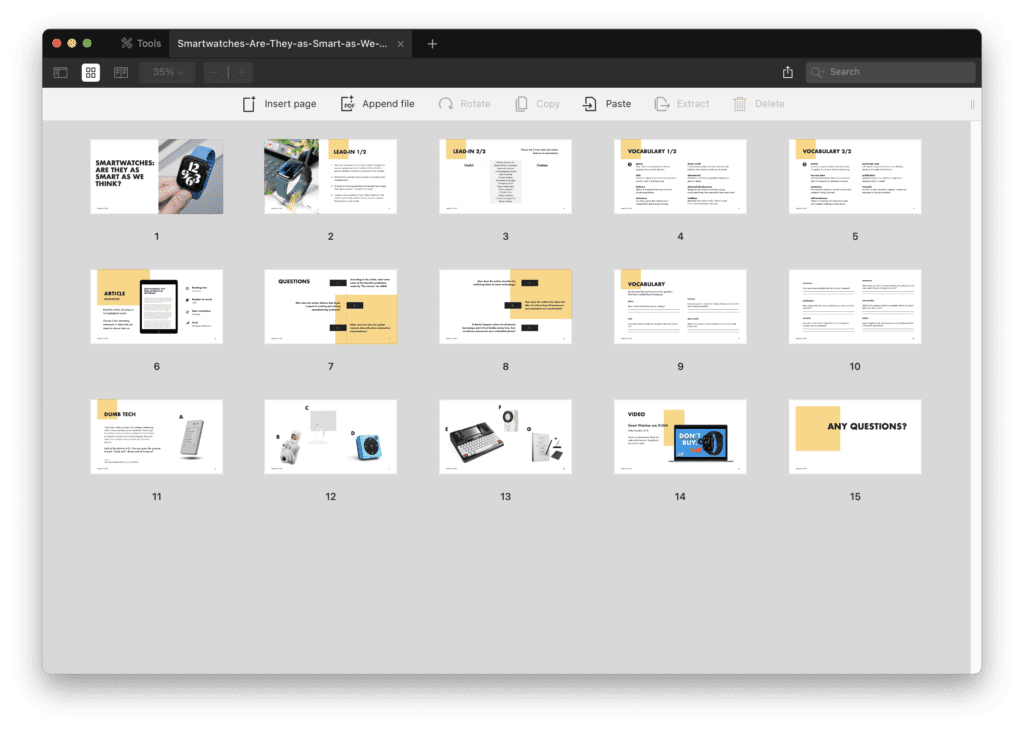
Start class with the warm-up questions about smartwatches and how they’ve changed the way people think about health. This gets students thinking critically about wearable tech before they read anything. Have them talk in pairs or small groups, then share the most interesting stuff with everyone.
Next, move to the useful versus useless features activity. Students argue about which smartwatch features actually matter. This works great as a ranking exercise where groups have to agree on something. It naturally brings up key vocab they’ll see later.
Pre-teach the vocabulary using the definitions and example questions provided. Focus on words like gizmo, doom scroll, and planned obsolescence since these pop up a lot in the article. Have students answer the vocab questions in complete sentences so they practice using the new terms naturally.
For the main reading, give students seven minutes to read the article silently. Tell them to highlight interesting stuff they want to talk about. After reading, use the comprehension questions to check if they got it. These questions walk them through the author’s main points about wearable tech and data privacy concerns.
The dumb tech section is a fun contrast to all the smart technology talk. Students guess what each simple device does, which leads to great conversations about whether we really need to be constantly connected. This works well as a speaking activity where students explain their guesses and why they think that.
If you’ve got time, show the optional video for more perspectives on smartwatches. Wrap up by having students share their own views on technology dependence and whether smartwatches actually improve daily life or just complicate it. Push them to use the new vocab naturally throughout the discussion.
