
Sightseeing Activities
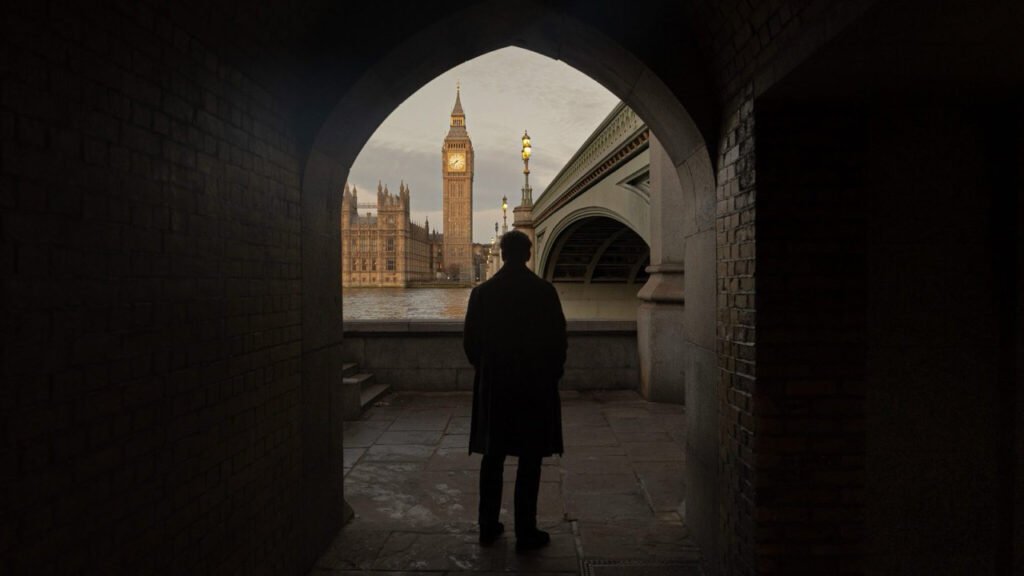
This intermediate lesson teaches vocabulary for tourist attractions and sightseeing activities through listening and speaking practice. Students learn to describe different types of landmarks including temples, cathedrals, botanical gardens, and amusement parks. The B1-level material helps learners discuss travel experiences and plan tourist activities using natural English expressions.
Lesson overview
- Learn vocabulary for tourist attractions like lighthouse, aquarium, observatory, and historic districts
- Practice listening skills through gap-fill exercises about trips to Vancouver, Prague, and Tokyo
- Explore travel-related phrases including guided tour, hidden gems, and scenic trails
- Create AI-generated images of fictional tourist attractions using descriptive language
| Level | Vocabulary | Lesson Time |
| B1 / Pre-Intermediate | 10 words and 10 phrases | 60-80 min |
Vocabulary
- Botanical garden
- Lighthouse
- Aquarium
- Historic district
- Mosque
- Cathedral
- Temple
- Amusement park
- Observatory
- Antique market
- Live performance
- Guided tour
- Hidden gems
- Lookout point
- River cruise
- Food tasting tour
- Charming neighborhood
- Hike along scenic trails
- Picturesque countryside
- Day trip
Contents
- Lead-in
- Vocabulary match
- Vocabulary
- Activities
- Listening 1
- Listening 2
- Listening 3
- Vocabulary practice
- Quote
- Speaking
- AI sights
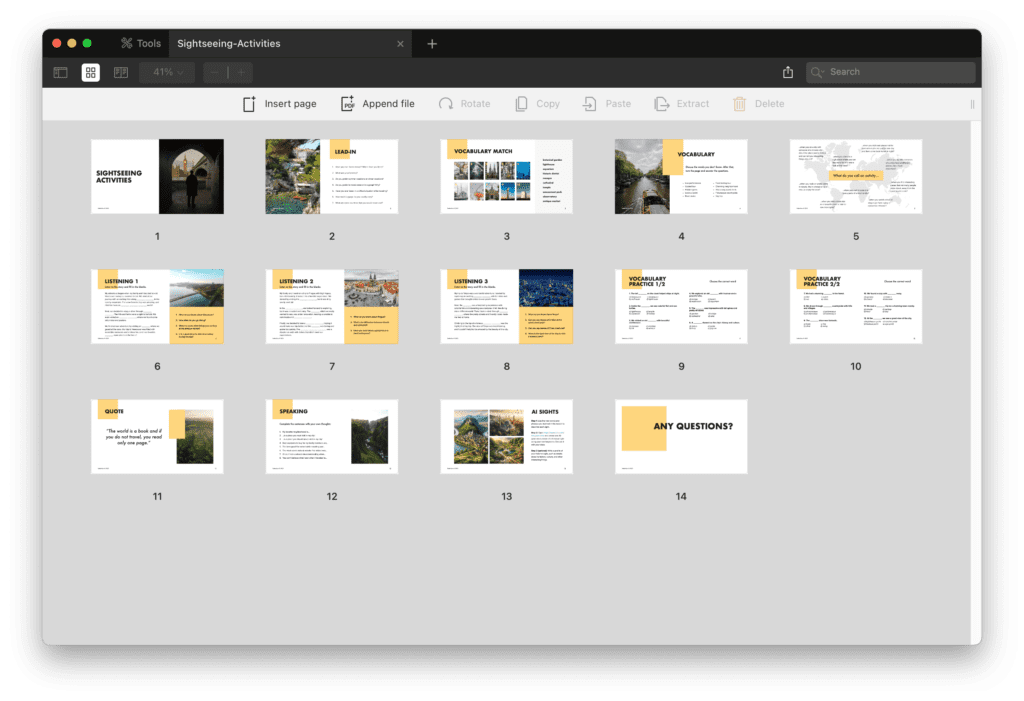
Start with the lead-in questions on page 2 about travel experiences and preferences. Students like sharing stories about their best trips and difficult travel situations. The vocabulary matching on page 3 introduces 10 types of tourist attractions with pictures. Students often confuse “cathedral,” “temple,” and “mosque,” so clarify the differences between these religious buildings.
Page 4 presents 10 sightseeing phrases like “guided tour,” “river cruise,” and “food tasting tour.” Have students discuss which phrases they know before turning to page 5, where they match phrases to kid-friendly definitions. The three listening exercises on pages 6-8 use gap-fill format. Students listen and complete texts about visits to Vancouver, Prague, and Tokyo. Play each recording twice: first for the general idea, second to catch specific missing words.
After each listening, students answer comprehension questions about the destinations. The difference between “church” and “cathedral” comes up naturally in the Prague section if students are still confused. The vocabulary practice on pages 9-10 uses multiple-choice exercises to review the new terms. Students work alone, then check answers together.
The quote on page 11 about travel being like reading a book can lead to discussion about why people travel and what they learn from it. Page 12 has sentence starters about travel memories, which works well for pair or small group discussion. The AI Sights project on page 13 brings everything together. Students describe three AI-generated images using lesson vocabulary, then create their own fictional tourist attraction with an image generator. Good way to end since students can share what they made.
