
Self-Defense Principles
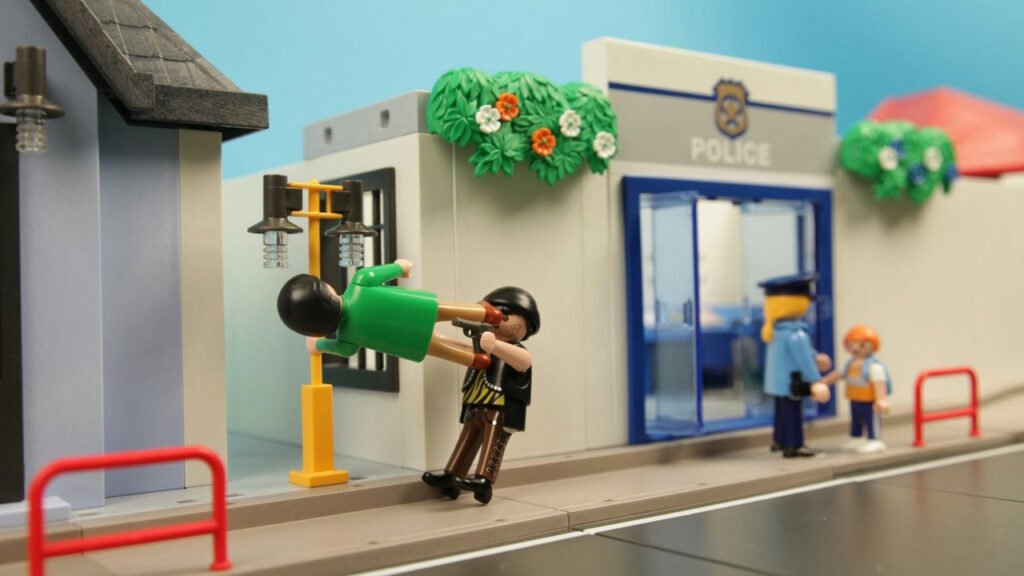
This lesson takes C1 students through the ethics and practicalities of self-defense: when force is justified, and what legal consequences follow. Students look at real scenarios involving weapons, legal terms, and split-second decisions with serious outcomes. Through debate, case studies, and evaluation activities, they build argumentation skills while exploring cultural attitudes toward personal safety, proportional response, and individual responsibility.
Lesson overview
- Examine ethical principles surrounding self-defense and proportional force
- Analyze a real garage robbery case involving lethal force and legal outcomes
- Evaluate different self-defense tools and their legal status across jurisdictions
- Develop critical thinking about responsibility, consequence, and personal safety decisions
| Level | Vocabulary | Lesson Time |
| C1 / Advanced | 16 words | 60 min |


Vocabulary
- pepper spray
- personal alarm
- tactical flashlight
- self-defense keychain
- taser or stun gun
- tactical pen
- pocket knife
- personal firearm
- brandish
- draw
- sight
- abdomen
- burglary
- suspect
- sue
- be convicted
Contents
- Lead-in
- Agree or disagree
- Short video
- Self-defense items
- Functions
- Experiences
- Vocabulary match
- Reading
- Discussion
- Writing
Start with the lead-in images on page 2 showing three threatening situations. Have students describe what they see without jumping to solutions yet. This introduces the lesson’s serious tone without needing specialized vocabulary upfront.
The agree/disagree statements on pages 3-4 work well as a four-corners activity. Post the statements around the room and have students physically move to corners representing their positions. This gets them up and moving and creates natural discussion groups where they defend their stances before moving to the next statement.
After watching the humorous self-defense video on page 5, discuss why humor gets used for serious topics. The contrast between the lighthearted video and the intense reading that follows is useful here.
The self-defense items vocabulary on pages 6-7 needs careful handling given different legal contexts. Have students research which items are legal in their countries before class discussion. This shows how laws reflect cultural values about self-protection and state authority.
Pre-teach the vocabulary on page 9 before students read the garage incident on pages 10-11. These terms carry legal weight. Students should understand that “brandish,” “draw,” and “sue” have specific implications in court testimony. The reading presents a clear threat but raises questions about proportional response and who bears responsibility for outcomes.
The discussion questions on page 11 have no easy answers. Divide the class into groups representing different stakeholders: the homeowner, the injured burglar’s family, law enforcement, and legal scholars. Each group argues from their assigned perspective before coming together to find common ground.
The ranking activity on pages 12-13 mixes genuinely useful advice with absurd suggestions. Students must tell the difference between practical safety measures and dangerous nonsense while explaining their reasoning. This gets them evaluating advice critically rather than accepting it at face value.
Close with the writing task on page 14 where students create both legitimate and humorous self-defense tips. Sharing these lightens things up after heavy ethical discussion while reinforcing the vocabulary.
