
Road Trip to a New Life
This B1 lesson follows a man who leaves his relationship, his business, and his city to take an 8-week road trip from the UK to Norway. Students watch a short personal video and work with vocabulary about life changes, uncertainty, and big decisions. It’s a good lesson for intermediate learners who want to talk about real experiences and personal turning points.
Lesson overview
- Practice key vocabulary about life changes, personal decisions, and new beginnings
- Watch and summarize a short personal video about starting over after loss
- Discuss travel methods and what makes a road trip to a new life worthwhile
- Debate whether quitting everything to travel the world is brave or just foolish
| Level | Vocabulary | Video Length | Lesson Time |
| B1 / Intermediate | 10 words | 2:16 min | 60 min |
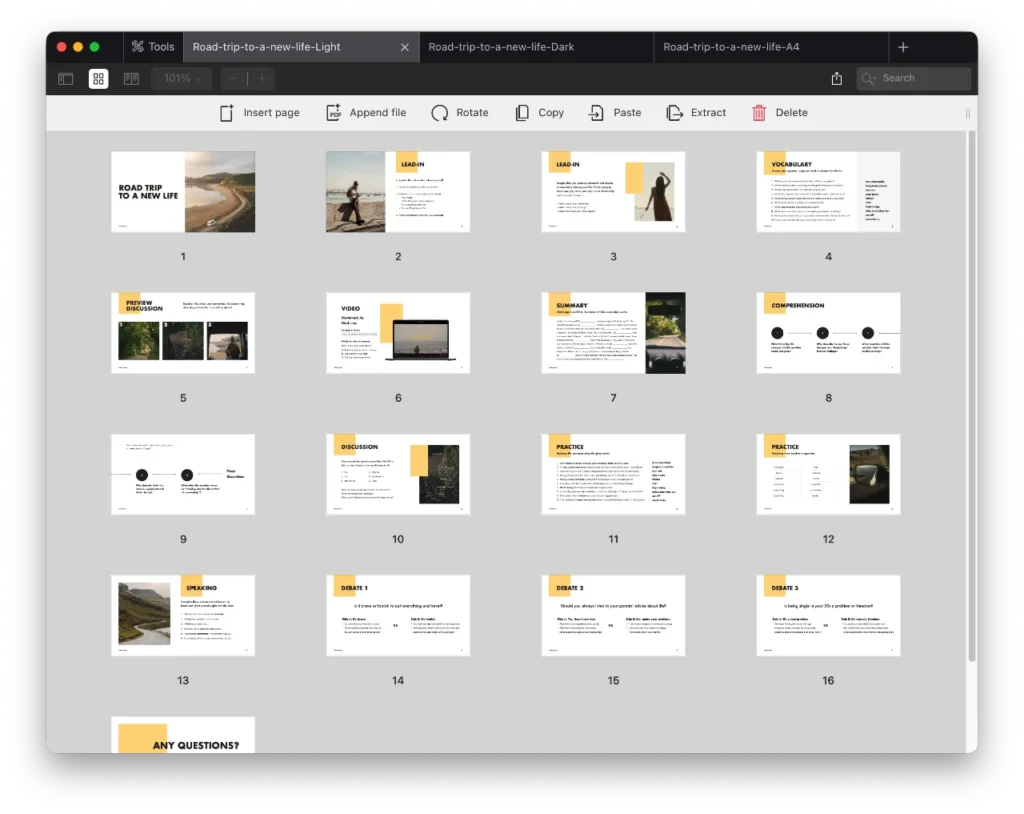
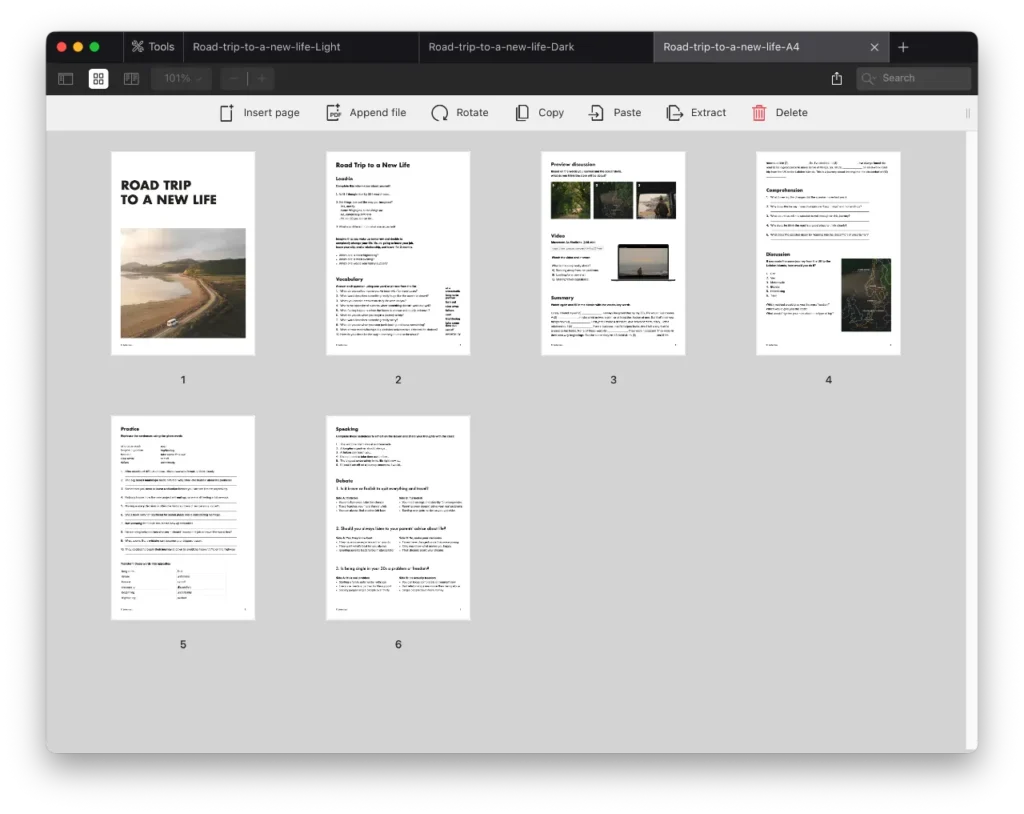
Vocabulary
- at a crossroads
- long-term partner
- turn out
- step away
- failure
- vast
- frightening
- take some time out
- set off
- uncertainty
Contents
- Lead-in
- Vocabulary
- Preview discussion
- Video
- Summary
- Comprehension
- Discussion
- Practice
- Speaking
- Debate
Start by asking students to think back to when they were 18. What did they expect their life to look like by 30? Give them a minute to write something down before sharing with a partner. This works well because students connect the topic to their own life right away. It also tells you quickly what kind of vocabulary they’ll need to talk about plans, expectations, and disappointment.
Move to the vocabulary section next. The 10 words in this road trip to a new life lesson include “at a crossroads,” “long-term partner,” “step away,” and “uncertainty.” Have students answer the definition questions first, then check answers in pairs. These words come up again in the fill-in-the-blank summary activity, so it pays off to spend a few minutes here getting them right.
Play the video “Movement As Medicine” before students read the summary transcript. Ask them just one question first: what is this story really about? After watching, do the fill-in-the-blank activity together. Students hear the speaker’s own words, which makes the vocabulary feel natural rather than memorised. If time allows, play it a second time and pause at moments where students can predict the next word.
For the speaking section, students complete sentence starters about crossroads, failure, and uncertainty. These are personal and sometimes emotional, so keep it light. Students share with a partner before the class hears a few examples. The three debates at the end work best in small groups of three or four. Each debate has two clear sides, so assign positions or let students choose. The debate about being single in your 30s often gets the most discussion, especially in mixed-age groups.
