
Natural Disasters
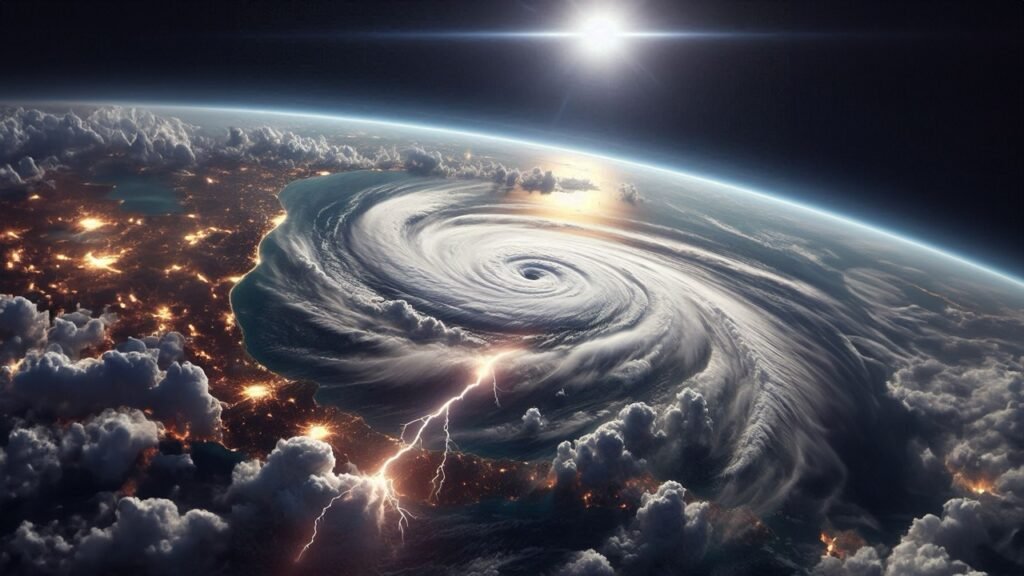
This B1 lesson teaches the vocabulary for ten common natural disasters, from earthquakes and hurricanes to avalanches and droughts. Students read short descriptions, practice using the words in context, and role-play as emergency managers preparing their town for a coming disaster. It’s a topic students care about because everyone has experienced or heard about one of these events.
Lesson overview
- Learn the names and descriptions of ten natural disasters through picture matching
- Read short paragraphs about earthquakes, hurricanes, wildfires, and floods and summarize each one
- Practice using disaster vocabulary in gap-fill sentences and discussion prompts
- Role-play as emergency managers preparing a community for hurricanes, eruptions, or droughts
| Level | Vocabulary | Lesson Time |
| B1 / Intermediate | 10 words | 60 min |
Vocabulary
- Earthquake
- Tsunami
- Hurricane
- Flood
- Drought
- Wildfire
- Volcano
- Tornado
- Landslide
- Avalanche
Contents
- Lead-in
- Vocabulary match
- Reading
- Writing
- Vocabulary practice
- Discussion
- Role-play
- Homework
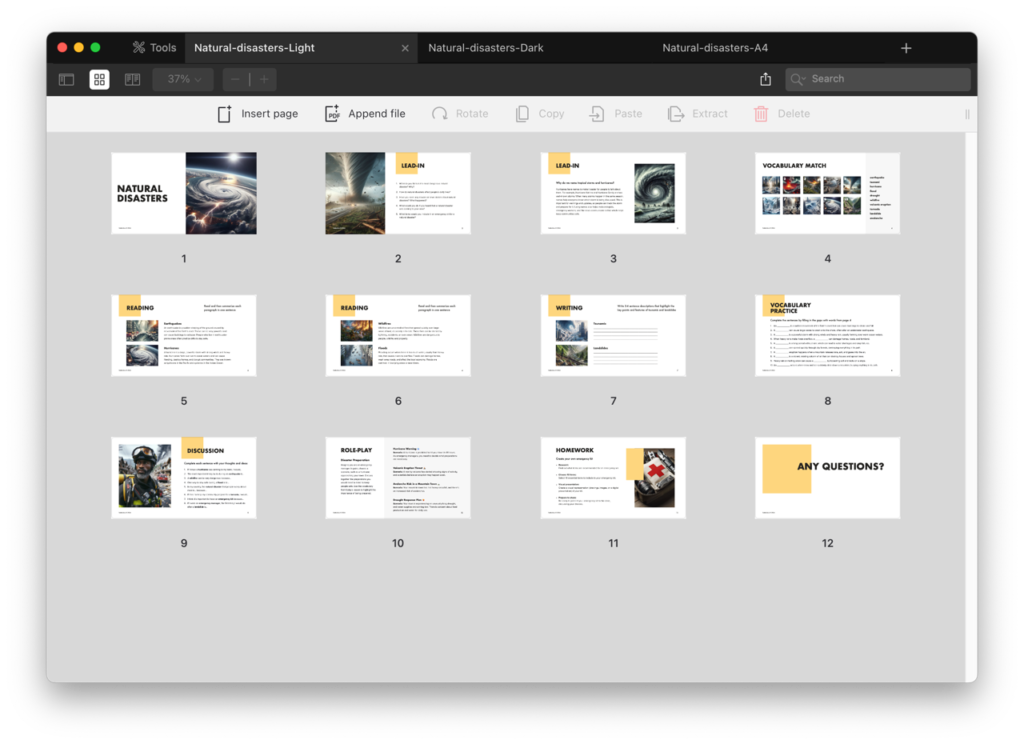
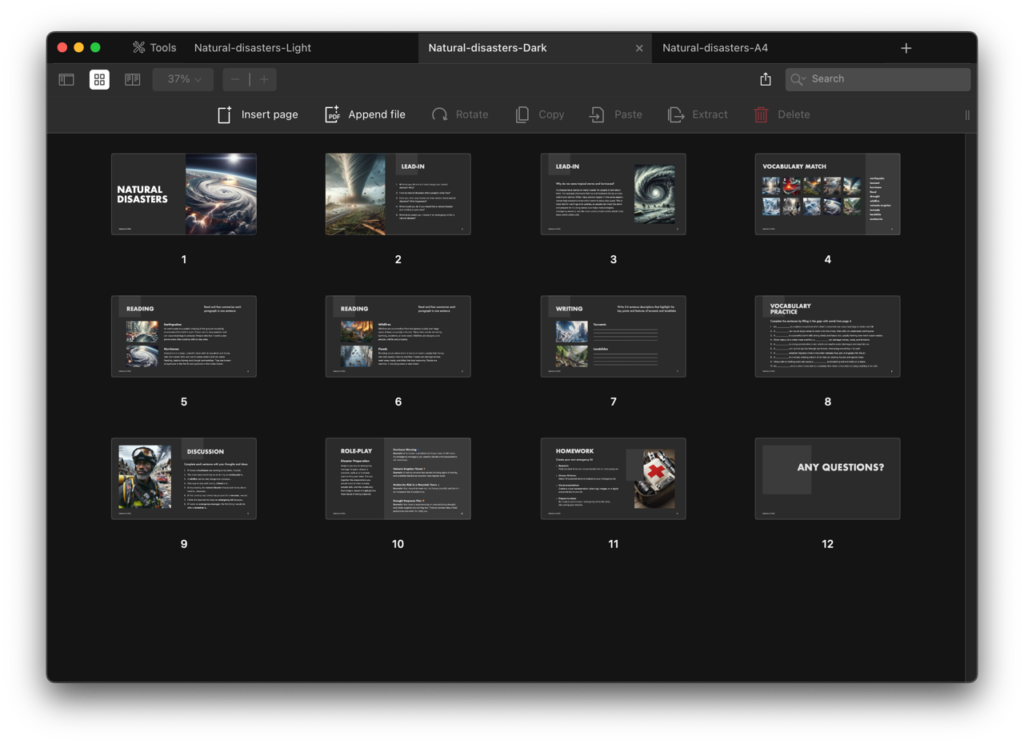
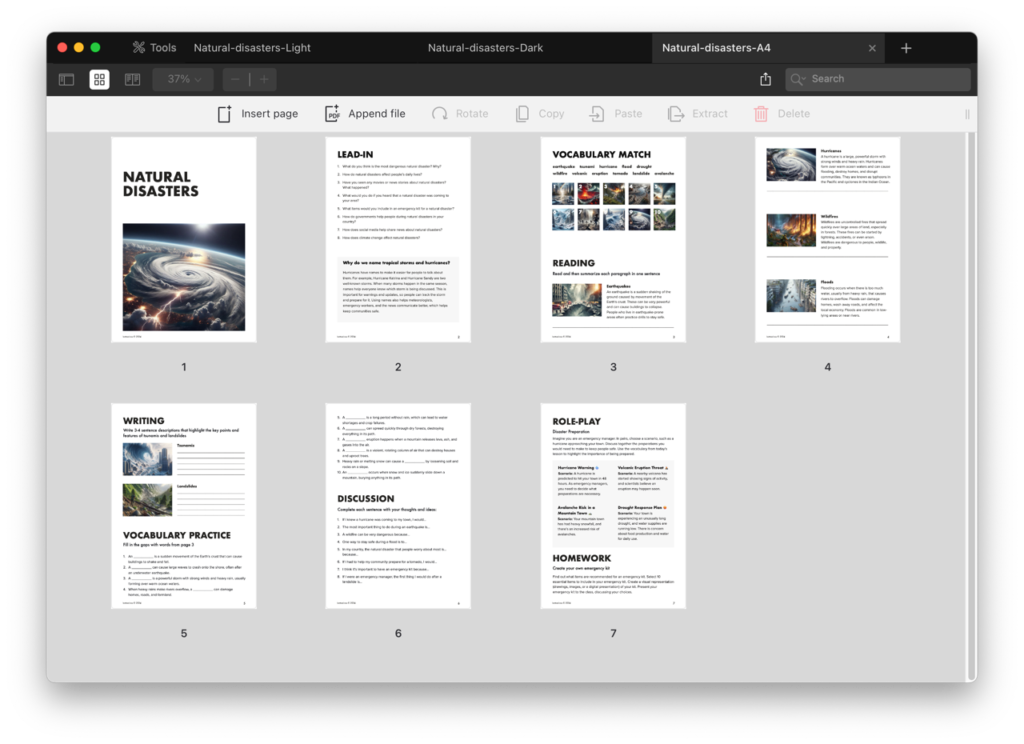
Open with the lead-in questions. “What’s the most dangerous natural disaster?” is a strong starter because every student has a different answer. The question about emergency kit items also works well because it gets students thinking practically. After a few minutes, read the short text about why hurricanes have names. Most B1 students don’t know this, and it’s an interesting detail that hooks them into the topic. Then move to the picture matching with all ten disasters. Go through pronunciation carefully here. Words like “tsunami,” “drought,” “avalanche,” and “volcanic eruption” trip up a lot of B1 learners. Say each word a few times and have students repeat before moving on.
The reading section covers four disasters in short paragraphs: earthquakes, hurricanes, wildfires, and floods. Students read each one and summarize it in a single sentence. This is good practice for B1 because it forces them to find the main idea without copying the whole text. After the summaries, the writing activity asks students to create their own three to four sentence descriptions for tsunamis and landslides. They’ve seen the model from the reading, so they know what to aim for. Let them work in pairs if they need support.
The gap-fill exercise on slide eight checks whether students can use all ten disaster words accurately. Each sentence describes a different disaster, and students fill in the correct term. Go through answers together and clarify anything that’s still unclear. Then move to the sentence completion discussion. Students finish eight prompts like “If I knew a hurricane was coming, I would…” and “The most important thing to do during an earthquake is…” These are personal and push students to combine the new vocabulary with their own ideas.
The role-play wraps everything up. Students work in pairs as emergency managers and pick one of four scenarios: a hurricane heading for their town, a volcano showing signs of erupting, an avalanche risk after heavy snow, or a long drought with low water supplies. They discuss what preparations they’d make and present their plan to the class. This activity ties all the vocabulary together in a practical way. For homework, students research and create their own emergency kit with ten items and a visual presentation. It gives them something concrete to bring back next class.
