
My Quietly Smart Apartment
This B2 lesson is built around a YouTube video of a woman who has automated her apartment using smart home technology. Students watch a real person walk through her daily routine and see how small design decisions affect habit formation. The lesson covers smart home vocabulary, cause and effect language, and gives students a lot to talk about, including how much they trust technology in their own lives.
Lesson overview
- Practice smart home and technology vocabulary through matching and taboo activities
- Discuss the psychology of habit-building and what makes routines easier to keep
- Develop listening comprehension through true/false and video analysis tasks
- Explore cause and effect language using a gap-fill activity based on the video
| Level | Vocabulary | Video Length | Lesson Time |
| B2 / Upper-Intermediate | 12 words | 5:51 min | 60 min |
Vocabulary
- reverse
- adjustment
- built-in
- ambiance
- intentional
- tempted to
- NFC tag
- kick off
- buzzer
- alert
- friction
- transition
Contents
- Lead-in
- Vocabulary
- Video
- True, False, Not Given
- Discussion 1
- Discussion 2
- Cause & Effect
- Vocabulary Taboo
- Agree or Disagree
- Extra Words
- Homework
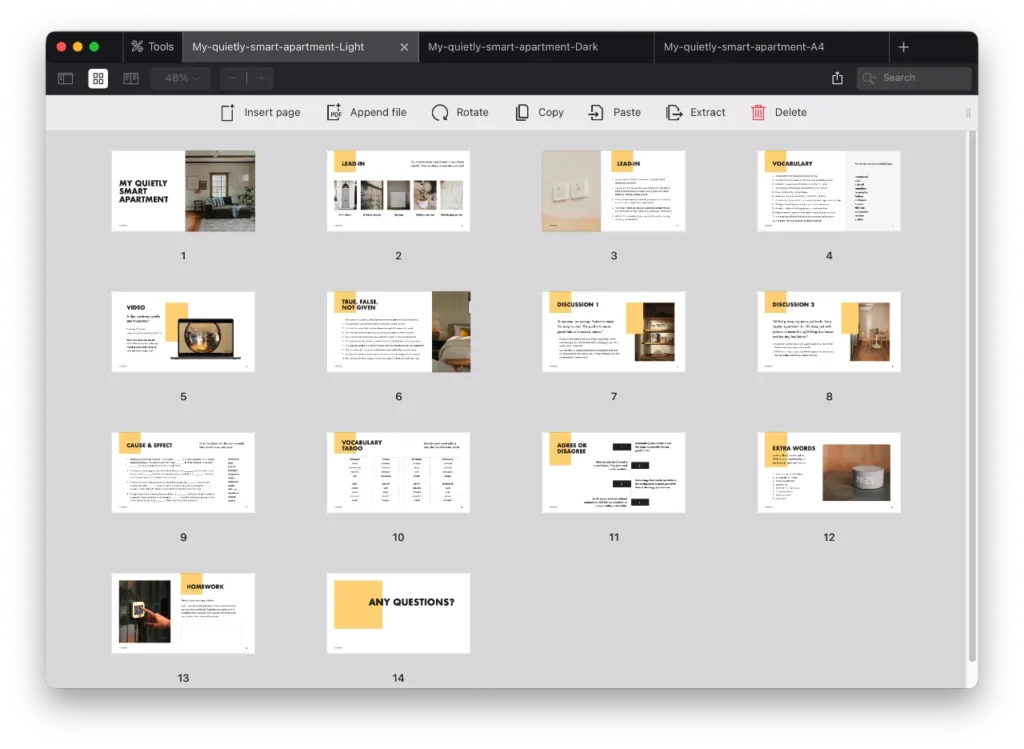
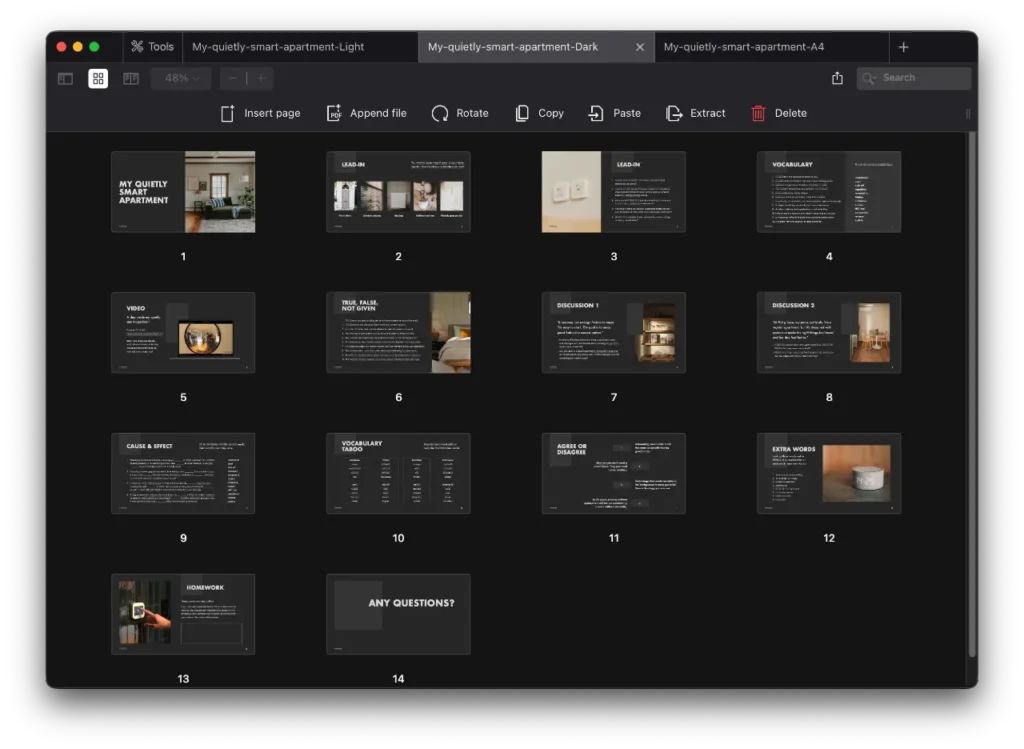
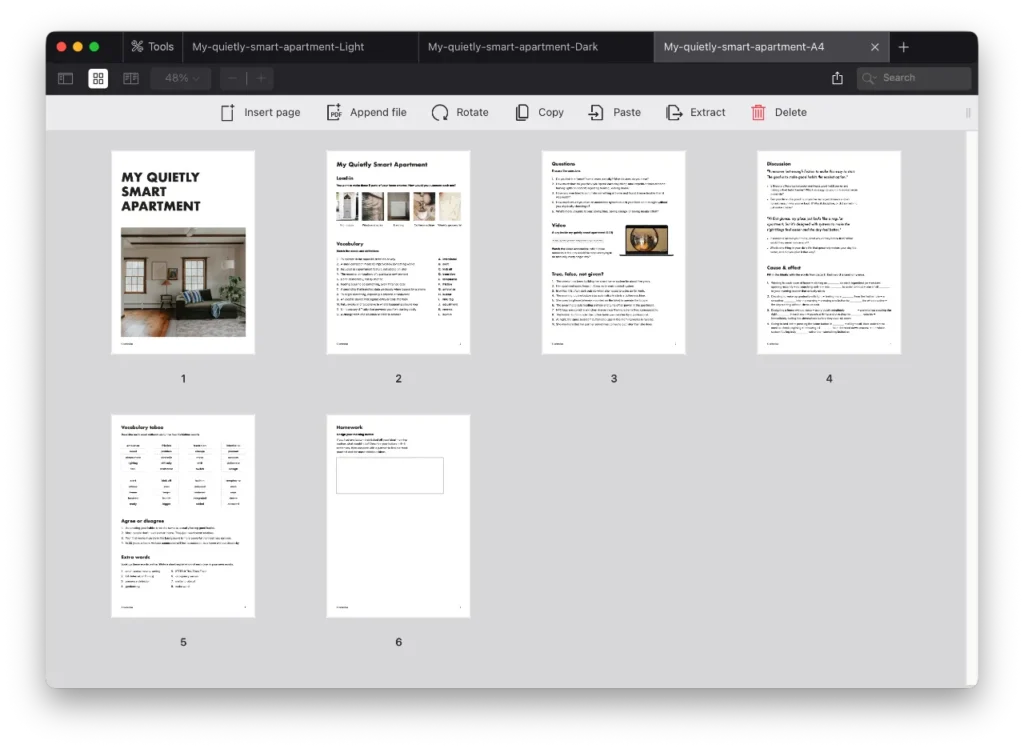
Start with the lead-in activity on the board or in pairs. Students look at five parts of a home and think about how they would automate each one. This works well as a quick brainstorm before anyone watches anything. It activates imagination and gets students talking right away, which is exactly what you want before a video lesson. Ask two or three students to share their ideas, then move into the discussion questions. Keep this part fairly short so you have time for the main activities.
The vocabulary matching activity has twelve words. Give students two or three minutes to try it individually first, then compare answers in pairs. Go over any tricky ones as a class before the video. Words like “NFC tag” and “friction” may be unfamiliar, so a quick example for each helps. “Friction” is especially worth spending a moment on since it comes up in the discussion later.
Play the video once through. The task before watching asks students to pick three moments they think would be most annoying to do manually. This keeps the viewing purposeful and personal. After watching, do the true/false/not given activity. Some answers are genuinely tricky, so small group discussion before a class check works better than going straight to answers.
The two discussion questions are the heart of the lesson. The first one on habits and friction is really interesting for adult learners. Most people have opinions about this from their own experience. Give pairs or small groups five to six minutes, then open it up. The cause and effect gap-fill is a good activity to do before discussion two, as it recycles the vocabulary while also getting students to think about the video again. Finish with the agree or disagree statements, which work well as a speaking round where students have to defend a position. The vocabulary taboo activity is a strong option if you have time, or you can set the extra words as homework.
