
Military Origins of Modern Clothing
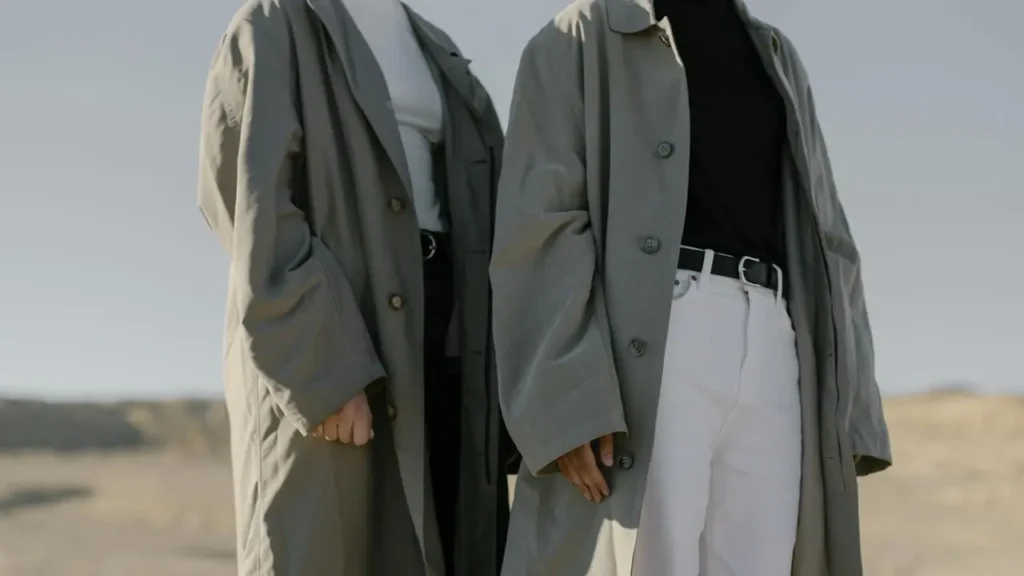
This C1 lesson explores how military innovations became everyday fashion staples. Students examine the surprising origins of trench coats, aviator sunglasses, and cargo pants while building advanced vocabulary like “enigmatic,” “surplus,” and “paratrooper.” The activities combine listening comprehension, discussion, and critical thinking about the relationship between function and style.
Lesson overview
- Practice advanced listening skills with three authentic audio stories about military clothing history
- Build sophisticated vocabulary related to design, military equipment, and fashion evolution
- Discuss ethical questions about wearing military-inspired clothing as a civilian
- Develop research and presentation skills by investigating items like parkas and bomber jackets
| Level | Vocabulary | Audio Length | Lesson Time |
| C1 / Advanced | 12 words | 1:45, 1:57, 2:06 min | 60-80 min |


Vocabulary
- glare
- endure
- trench
- sophistication
- elevated
- enigmatic
- versatile
- paratrooper
- ration
- surplus
- refined
- staple
Contents
- Lead-in
- Vocabulary preview
- Definitions
- Audio 1 – Trench Coats
- Summary
- Audio 2 – Aviator Sunglasses
- Questions
- Audio 3 – Cargo Pants
- Recap
- Pair-work
- Practice
- Synonyms
- Agree or disagree
- Transcript
Start with the lead-in questions on slide 2. These get students thinking about why certain clothes last while others fade quickly. The third question asks them to connect functional design to everyday adoption, which sets up the whole lesson nicely. After discussion, move to slide 3 where students identify which military items they own. This makes the topic personal right away.
The vocabulary section works best if you let students check off known words first, then explain them to partners. This shows you who needs more support before the listening activities start. For C1 learners, words like “enigmatic” and “sophistication” might be familiar from reading but harder to use naturally in speech. Give them time to create example sentences.
The three audio segments run between 1:45 and 2:06 minutes each. Play each one twice. After the trench coat audio, students complete the summary using provided phrases. This tests whether they caught the key details about gabardine fabric, Thomas Burberry, and the Hollywood connection. The aviator sunglasses section uses comprehension questions instead, which adds variety. The cargo pants audio asks students to retell the story using a visual framework, which works well for advanced learners who can paraphrase effectively.
The pair research activity on slide 13 adds energy near the end. Students investigate one item and create five facts, including one fake. This gets everyone listening carefully during presentations and turns research into a game. Wrap up with the practice exercises and the final debate about whether civilians should wear military-style clothing. C1 students can handle nuanced positions on this topic.
