
Metaphors & Similes
This lesson helps B1 intermediate students master everyday metaphors and similes in English conversation. Students discover how these colorful expressions make communication more vivid and natural through hands-on practice activities. The lesson combines creative exercises with practical speaking tasks to build confident use of figurative language.
Lesson overview
- Practice creating similes using “as…as” and “like” structures
- Learn common metaphors for describing people and situations
- Distinguish between metaphors and similes in everyday expressions
- Develop speaking fluency through creative figurative language tasks
| Level | Vocabulary | Lesson Time |
| B1 / Intermediate | 14 metaphors and 10 similes | 60 min |
Vocabulary
- Better Half
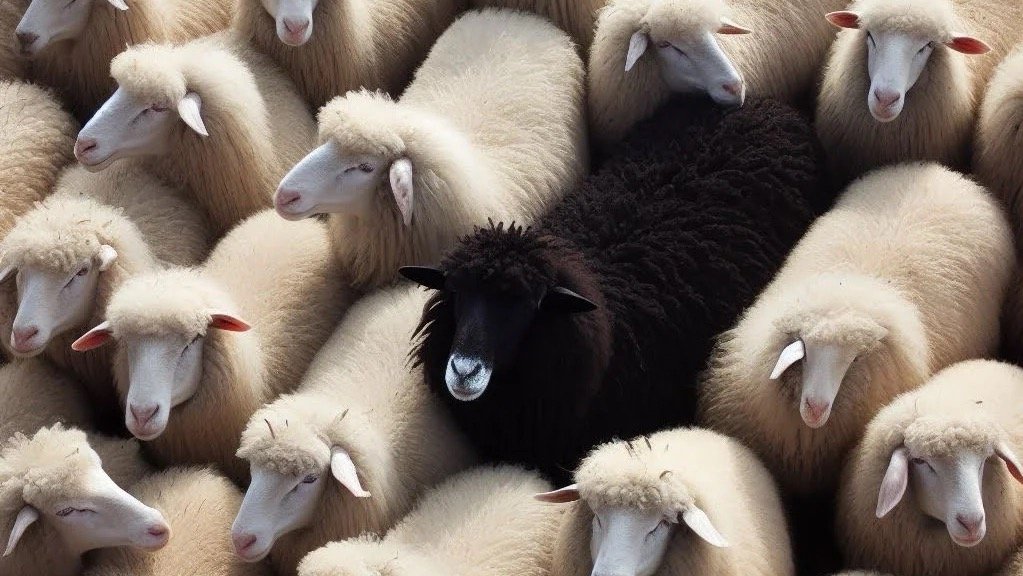
- Black Sheep
- Couch potato
- Early Bird
- Night Owl
- Heart of Stone
- Heart of Gold
- Music to my ears
- A piece of cake
- A shining star
- Life is a journey
- Door is ajar
- Time is a river
- Work like a dog
- Smoke like a chimney
- Eat like a pig
- As brave as a lion
- Run like the wind
- As quiet as a mouse
- As hot as hell
- Swim like a fish
- As cold as ice
- As free as a bird
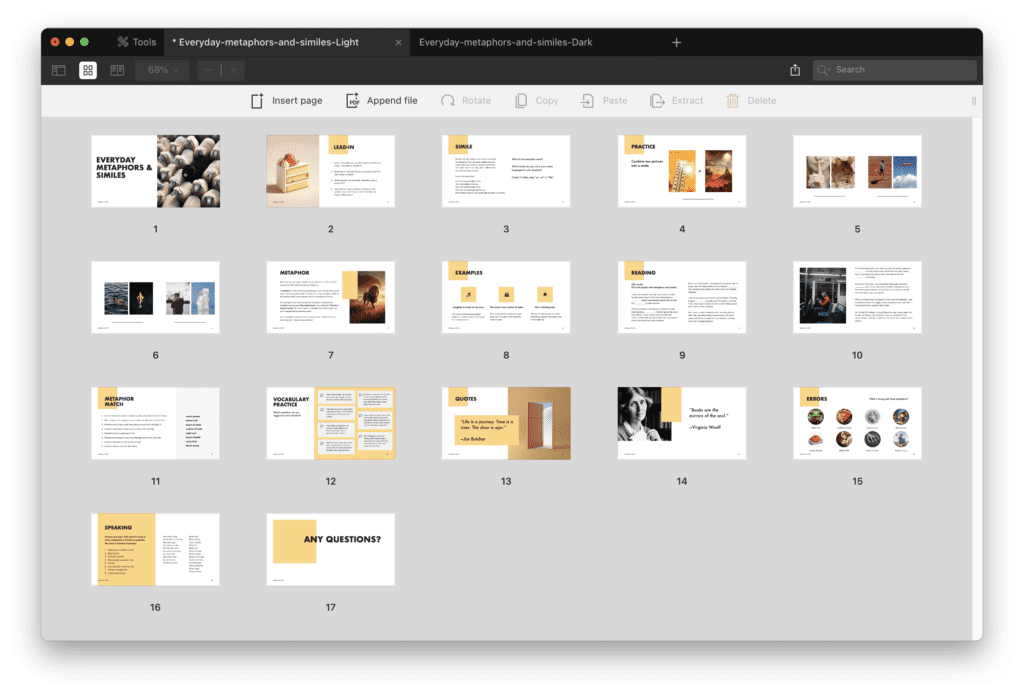
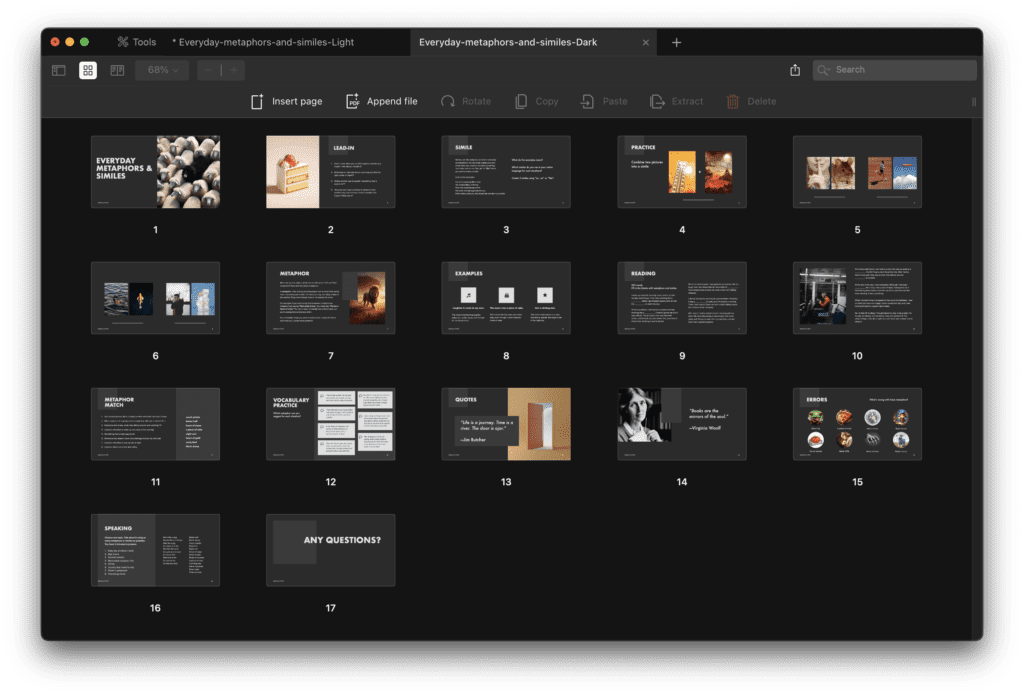
Contents
- Lead-in
- Simile intro
- Practice
- Metaphor intro
- Examples
- Reading
- Vocabulary match
- Vocabulary practice
- Quotes
- Errors
- Speaking
Start with the warm-up questions on page 2 to get students thinking about times they’ve struggled to express ideas in English. These questions help them reflect on those frustrating moments when they can’t find the right words. Jump into the simile intro on page 3 by showing examples like “work like a dog” and “cool as a cucumber” while asking if they have similar expressions in their own languages.
The picture-combining activity on pages 4 to 6 is awesome for pair work where students create their own similes by matching visual prompts. Let them get creative and accept whatever makes sense. After they’ve played around with similes, shift to metaphors on page 7 by explaining the main difference. Metaphors straight up say one thing is another without using “like” or “as.” The “heart of a lion” example shows this pretty clearly.
The reading passage on pages 9 and 10 gives them real context to spot and complete metaphors and similes naturally. Have students tackle it solo first, then check with a partner before you discuss as a class. The metaphor matching on page 11 reinforces vocab while the error correction on page 15 builds awareness that these fixed expressions can’t just be changed around. Wrap up with the speaking activity on page 16 where students pick a topic and work in multiple figurative expressions. Give them two minutes to prep before they present.
Throughout the lesson, hammer home that metaphors and similes make English sound way more natural and expressive. Remind them these are fixed phrases, so while they can make up original similes, common metaphors follow set patterns. Give them props when they use figurative language right and gently fix errors when they mess up the wording in fixed expressions.
