
Living With Planes
This B2 lesson explores life in Air Park, a California neighborhood where residents own planes and taxi them home. Students learn vocabulary like “hangar,” “aerobatics,” and “right of way,” then watch a video about pilots including Julie Clark, a legendary aerobatics performer. The activities include naming plane parts, choosing between three aircraft ownership scenarios, expanding basic sentences with details, and presenting why they’d buy a specific plane from an online marketplace.
Lesson overview
- Build aviation vocabulary related to aircraft storage, flight maneuvers, and community infrastructure
- Watch a video about Air Park where planes have right of way over cars on residential streets
- Practice sentence expansion by adding details while preserving vocabulary meaning
- Develop presentation skills by choosing an aircraft from a real marketplace and explaining purchase reasoning
| Level | Vocabulary | Video Length | Lesson Time |
| B2 / Upper-Intermediate | 12 words | 3:50 min | 60-70 min |
Vocabulary
- suburban
- spoiled brat
- aerobatics
- hangar
- to taxi
- airstrip
- right of way
- spectator
- witness
- impromptu
- downside
- scarcity
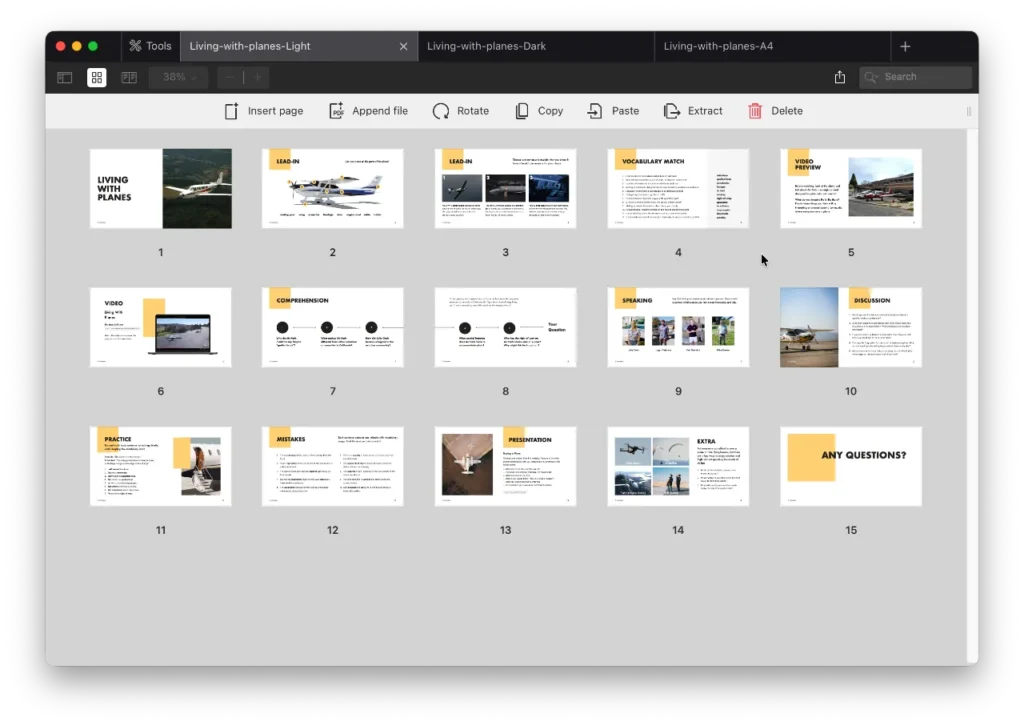
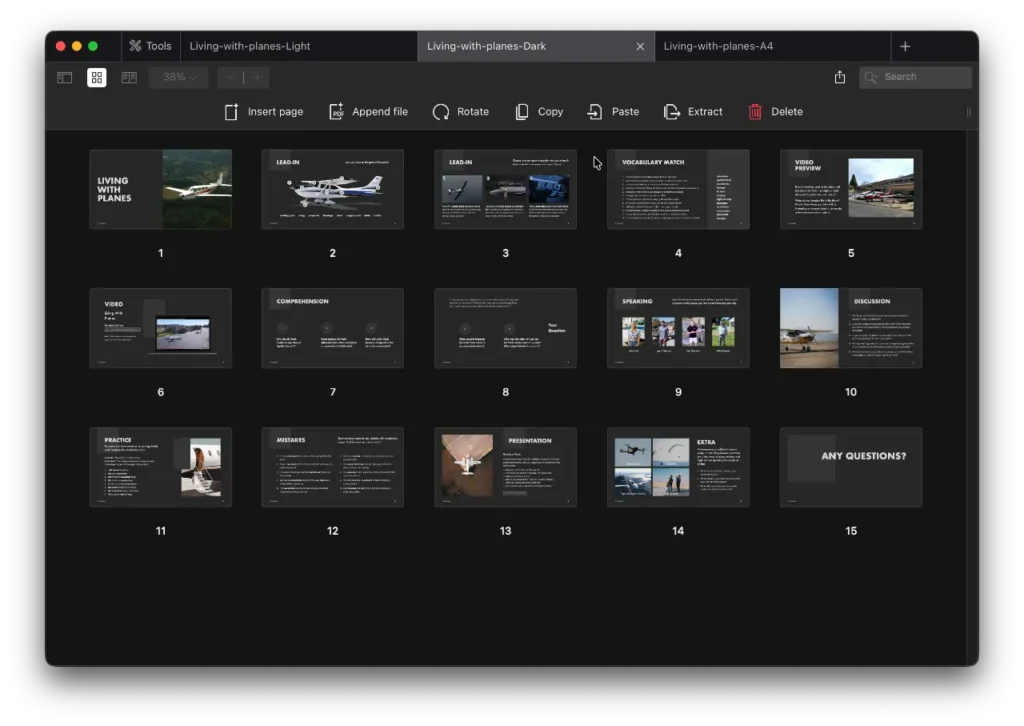
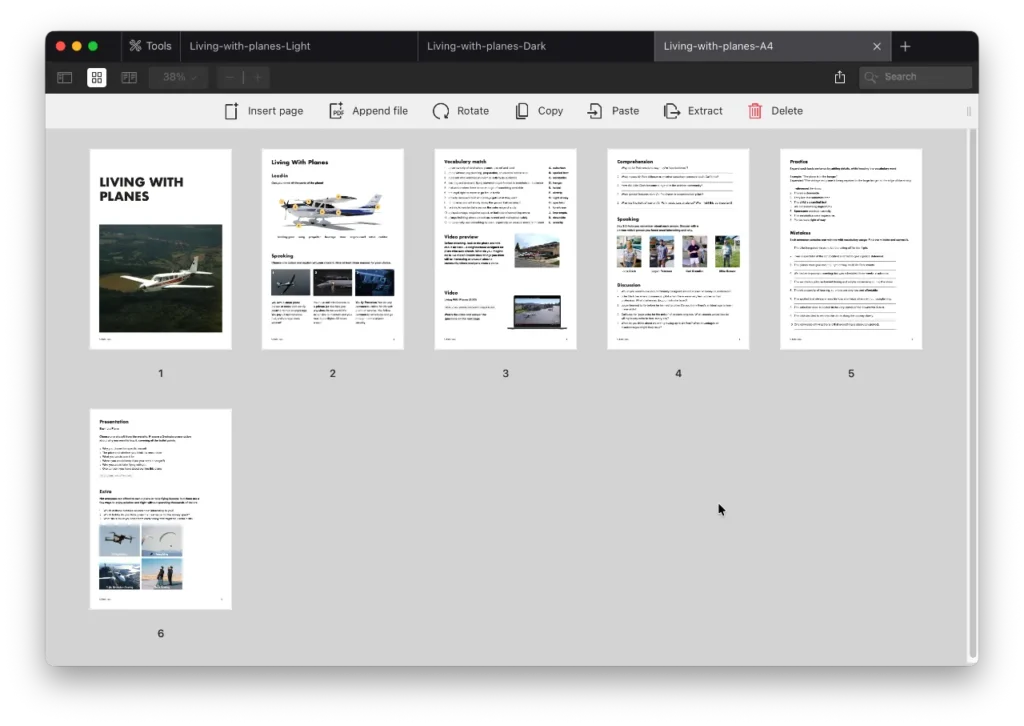
Contents
- Lead-in
- Vocabulary match
- Video preview
- Video
- Comprehension
- Speaking
- Discussion
- Practice
- Mistakes
- Presentation
- Extra
Start by naming eight plane parts: landing gear, wing, propeller, fuselage, door, engine, cowl, cabin, and rudder. The second lead-in presents three aircraft ownership scenarios: owning a small plane you maintain yourself, unlimited private jet access with 48-hour booking, or lifetime first-class commercial flights. Students choose one and explain three reasons.
The vocabulary section teaches twelve terms including “hangar” (aircraft storage building), “spoiled brat” (badly behaved child who gets everything), “aerobatics” (dramatic flight maneuvers), and “impromptu” (unplanned). The preview shows Air Park, a neighborhood designed for pilots. Students predict three interesting or unusual aspects before watching.
The video runs 3:50 minutes showing Air Park residents who call themselves “spoiled brats” because they taxi planes directly to home hangars. Julie Clark became a commercial pilot when few women flew, then a legendary aerobatics performer. Logan Peterson learned flying before driving. Carl Gremlick pays extra for airplane engine noise. Mike Brewer appreciates the aviation community despite scarcity of housing. Students answer five comprehension questions about why residents call themselves spoiled, what makes Air Park different, how Julie became a legend, what special features accommodate pilots, and whether planes or cars have right of way.
The speaking activity shows four residents: Julie Clark, Logan Peterson, Carl Gremlick, and Mike Brewer. Students recall 2-3 facts about each and discuss which person they found most interesting. Discussion questions explore whether students would live in a hobby-focused community, what challenges Julie faced as a female pilot, whether there’s an ideal age to learn flying versus driving, what sounds they’d pay extra to hear daily, and advantages or disadvantages for children growing up in Air Park.
The practice section provides eight basic sentences using vocabulary words. Students expand each by adding details while keeping the vocabulary word, like transforming “The plane is in the hangar” into “The vintage red plane is being repaired in the large hangar at the edge of the airstrip.” The mistakes exercise provides ten sentences with vocabulary usage errors. Students find and correct mistakes like “hangared his plane before taking off” or “impromptu meeting scheduled three weeks in advance.”
The presentation task sends students to controller.com to choose an aircraft. They prepare two-minute presentations covering why they chose it, whether the price is reasonable, what they’d use it for, where they’d keep it, who they’d take flying, and one concern about ownership. The extra section suggests affordable aviation hobbies like flying drones, paragliding, flight simulation gaming, or plane spotting.
