
Living Off the Grid
This B2 lesson explores off-grid living through a video about Warrick Mitchell’s life in remote New Zealand. Students learn vocabulary like “wilderness,” “pristine,” and “tight-knit community” while discussing independence, nature, and simplicity. The activities include video comprehension, debate about romanticized views of isolation, and a personal reflection on freedom.
Lesson overview
- Learn 10 terms related to remote living and self-sufficiency
- Watch a 4-minute documentary about life in Fiordland National Park
- Discuss motivations for leaving civilization and living off the land
- Debate whether off-grid life is realistic or romanticized
This lesson was originally released in November 2023 and quickly became one of our most popular and well-loved lessons. In October 2025, we refreshed and updated it to align more closely with our style and vision, while keeping the original video intact.
| Level | Vocabulary | Video Length | Lesson Time |
| B2 / Upper-Intermediate | 10 words | 3:41 min | 60 min |
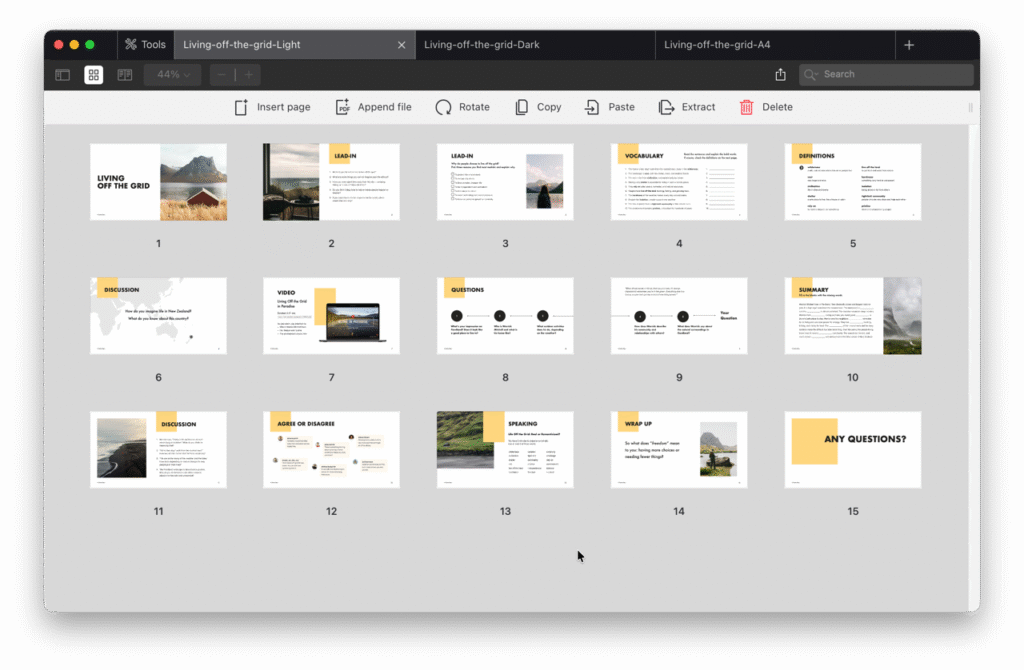
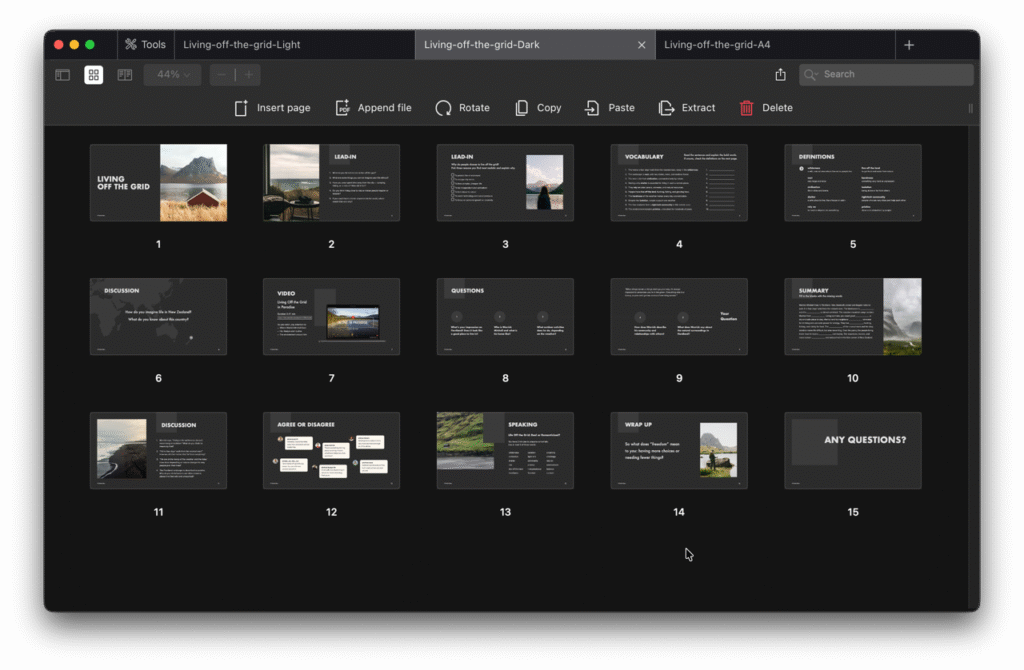
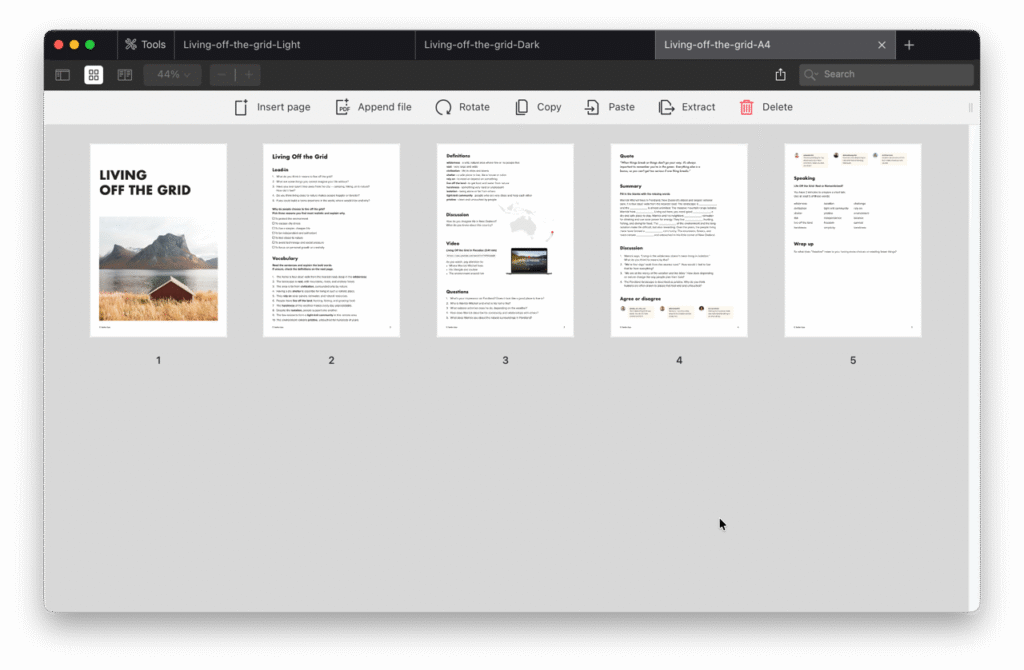
Vocabulary
- wilderness
- vast
- civilization
- shelter
- rely on
- live off the land
- harshness
- isolation
- tight-knit community
- pristine
Contents
- Lead-in
- Vocabulary
- Definitions
- Discussion
- Video
- Questions
- Summary
- Discussion
- Agree or disagree
- Speaking
- Wrap up
Start by asking what “living off the grid” means. What can’t students imagine life without? Have they spent time in nature camping or hiking? This activates prior knowledge. The reasons checklist shows nine motivations for off-grid living like protecting the environment, escaping stress, or avoiding technology. Students pick three they find most realistic and explain why.
Pre-teach vocabulary through sentences with bold words. Students explain terms like “wilderness,” “vast,” “rely on,” and “pristine.” Check definitions together and drill pronunciation on “pristine” and “tight-knit community.” Ask what students know about New Zealand to build context before the video.
Play the video twice. It’s about 4 minutes and shows Warrick Mitchell living in Fiordland, four days’ walk from the nearest road. First viewing, students pay attention to where he lives, his lifestyle, and the environment. Second viewing, they answer specific questions about his activities, community, and views on nature. After watching, students fill in a summary paragraph using lesson vocabulary. Warrick and his neighbors rely on rainwater, use solar power, and live off the land through hunting and fishing.
The discussion questions explore key quotes from the video. Warrick says living in wilderness doesn’t mean isolation. What does he mean? How would it feel to be four days from the nearest road? How does depending on weather and tides change how you plan your life? These work well in small groups where students can share different perspectives.
Move to the “Agree or Disagree” activity. Students respond to statements and explain their reasoning. The speaking task gives them two minutes to prepare a talk titled “Life Off the Grid: Real or Romanticized?” They must use at least five words from a provided list like “wilderness,” “isolation,” “freedom,” and “balance.” Wrap up by asking what freedom means: having more choices or needing fewer things?
