
K-Culture & K-Beauty
This B2 lesson explores K-beauty’s transformation from viral trend to economic powerhouse through a video about South Korea’s cosmetics industry. Students learn vocabulary like “booming business,” “fierce competition,” and “strategic national asset,” then discuss how social media, innovation, and government support drove global success. The activities include matching sentence halves, identifying false cultural facts, and preparing presentations about Korean beauty trends.
Lesson overview
- Build business vocabulary related to industry growth, market competition, and national strategy
- Watch a video explaining how K-beauty became a global mainstream movement through innovation and ecosystems
- Discuss cultural attitudes toward appearance, competition, and how trends influence local beauty norms
- Develop presentation skills by researching one Korean beauty trend and connecting it to cultural values
| Level | Vocabulary | Video Length | Lesson Time |
| B2 / Upper-Intermediate | 8 words and phrases | 3:35 min | 60 min |
Vocabulary
- Booming business
- Gain popularity
- Fierce competition
- Gush about
- Emerge
- Mainstream movement
- Elaborate ecosystem
- Strategic national asset
Contents
- Lead-in
- Vocabulary preview
- Definitions
- Preview discussion
- Video
- Questions
- Matching
- Vocabulary practice
- Cultural facts
- Discussion
- Homework
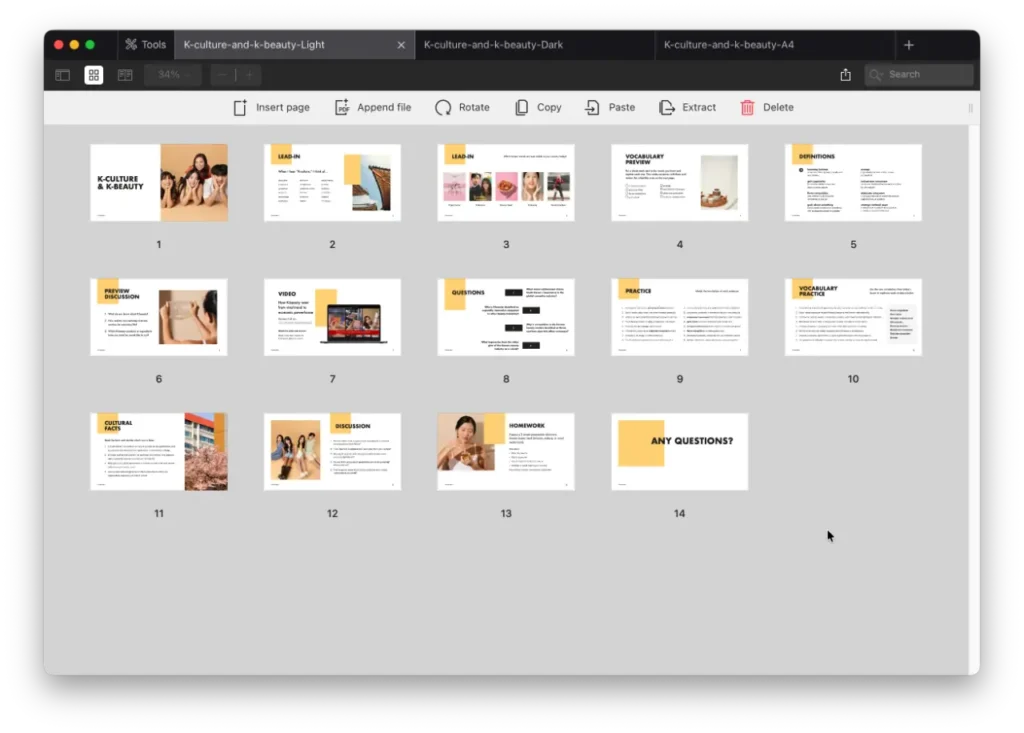
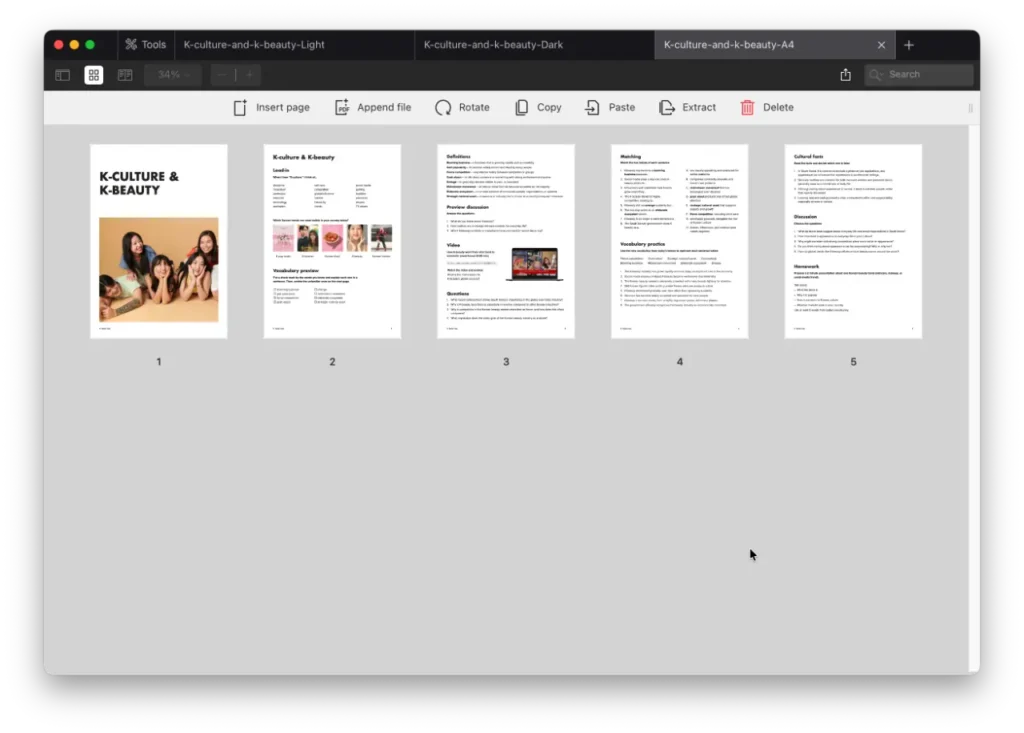
Start with the word cloud asking what students think of when they hear “K-culture.” Words like “discipline,” “aesthetics,” “innovation,” and “pressure” reveal different associations. The second lead-in asks which Korean trends are most visible in their country: K-pop, K-dramas, food, beauty, or fashion.
The vocabulary section introduces eight business terms including “booming business” (rapidly growing), “fierce competition” (intense rivalry), and “elaborate ecosystem” (complex network of connected organizations). The video runs 3:35 minutes explaining that South Korea became a top cosmetics exporter through constant innovation driven by fierce competition, social media optimization, influencer partnerships, and government recognition of beauty as a strategic national asset. Students watch and answer what drives K-beauty’s global success.
Comprehension questions test whether students understood recent achievements showing industry importance, why competition benefits customers through innovation, and how the industry functions as an elaborate ecosystem. The practice section provides eight sentence halves to match, using phrases like “gush about products,” “mainstream movement,” and “strategic national asset” in context about K-beauty’s development.
The rephrasing exercise gives eight basic sentences. Students rewrite each using vocabulary like “gain popularity,” “emerge,” and “booming business.” The cultural facts present four statements about appearance in South Korean culture: photos on job applications, skincare for both genders, private versus public discussion of appearance, and grooming connected to responsibility. Students identify which one is false, then discuss questions exploring how competition influences appearance values and whether caring about looks can be empowering.
For homework, students prepare a two-minute presentation about one Korean beauty trend, explaining what it is, why it’s popular, how it connects to culture, and whether it would work in their country, using at least three vocabulary words.
