
How to Build Habits
This C1 lesson uses James Clear’s ideas from Atomic Habits to get students thinking seriously about motivation, routine, and how habits actually form. They watch a short video, analyze two memorable quotes, and work through a reading on motivation-based versus system-based behavior. It’s a good fit for advanced learners who want to talk about something that actually matters to them.
Lesson overview
- Practice key vocabulary including momentum, trajectory, clarity, and follow through
- Watch James Clear explain how small habits compound over time
- Analyze quotes and decide which claims from the video hold up
- Reflect on a real failed habit and explain why it fell apart
| Level | Vocabulary | Video Length | Lesson Time |
| C1 / Advanced | 10 words | 3:23 min | 60-80 min |
Vocabulary
- momentum
- clarity
- follow through
- implement
- scale down
- stack up
- magnify
- trajectory
- compelled
- accumulate
Contents
- Lead-in
- Vocabulary preview
- Definitions
- Preview discussion
- Video
- Speaking
- Quote 1
- Quote 2
- Reading
- Questions
- Practice
- Speaking
- Extra resource
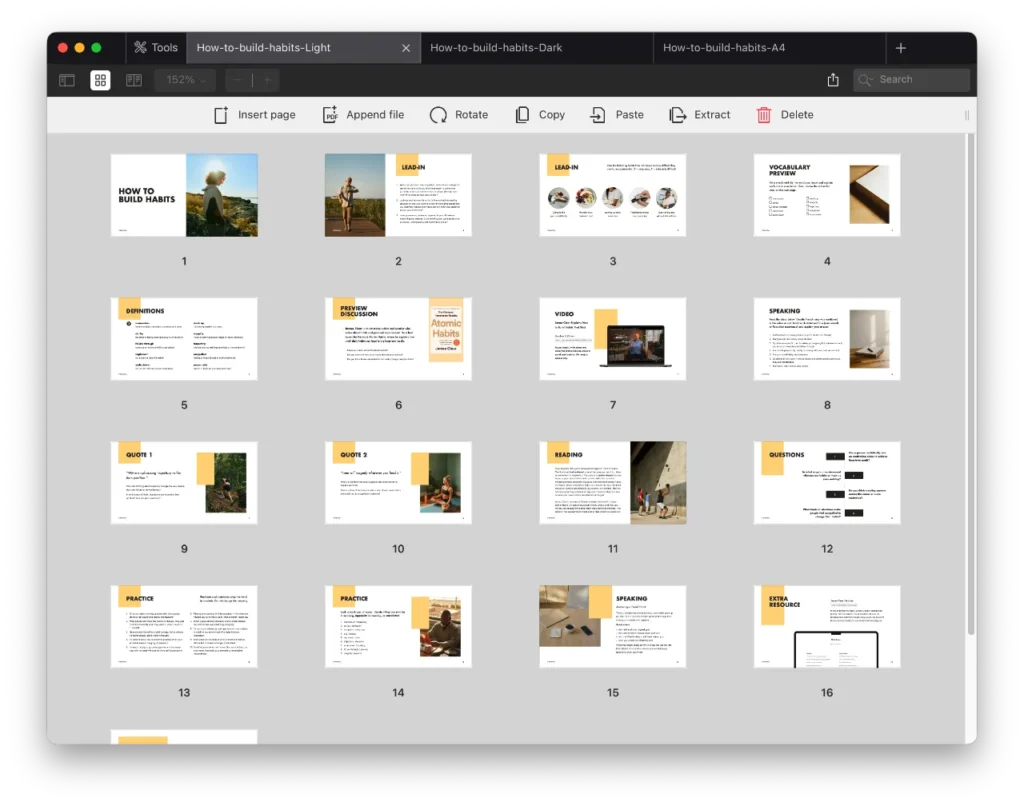
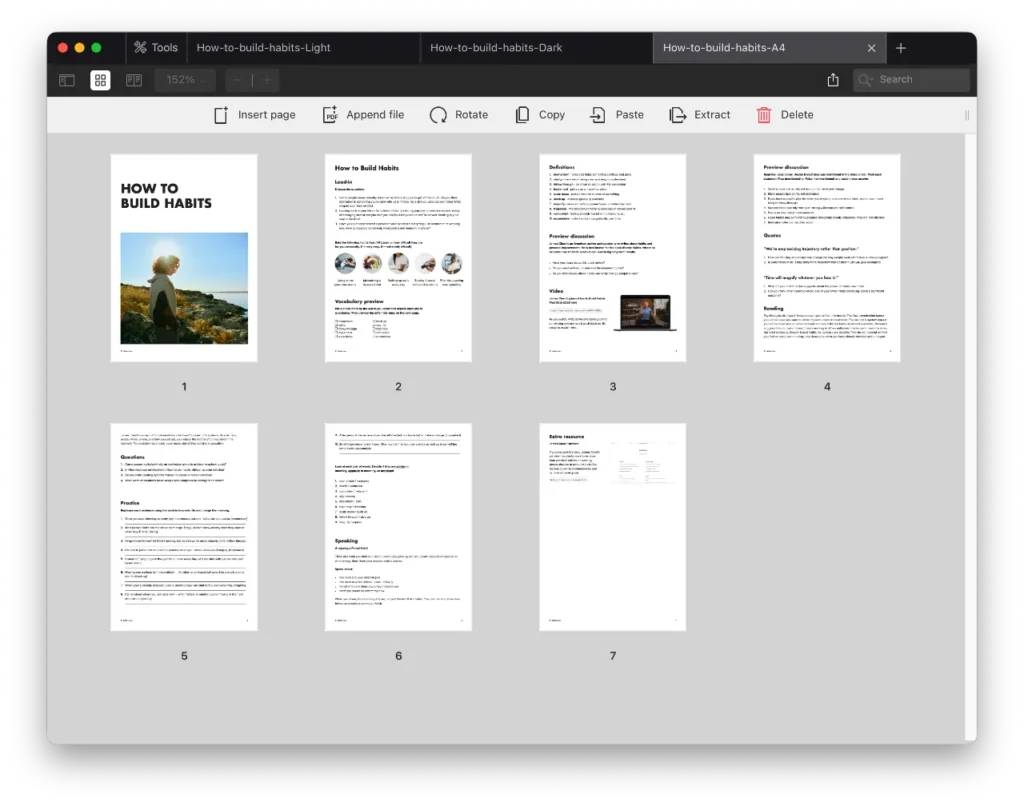
Start with the lead-in questions. The first asks whether motivation is born or built, which tends to split the group. Give students a minute before they share. The second prompts them to look back at a habit they wish they’d started earlier. C1 students respond well to this kind of personal framing because it gets them honest quickly, rather than giving textbook answers.
Move into the habit rating activity next. Students score five habits on personal difficulty. It’s quick but useful. The same habit can be easy for one person and nearly impossible for another. That realization sets up Clear’s idea that systems matter more than motivation.
Before the video, spend up to ten minutes on the vocabulary preview. Ten words, including momentum, clarity, trajectory, and accumulate. Students mark what they know and use the definitions page for anything new. Don’t linger here. The words come back in the practice exercises, so students get multiple chances to use them in context.
The video runs just over three minutes. Ask students to note one claim they find convincing and one they’d push back on. It keeps them thinking while watching. The True/False activity that follows asks them to decide what James Clear actually said. The willpower statement tends to spark the most debate. Let it.
The reading on motivation-based versus system-based habits works well after the video. Give students a couple of minutes to read it quietly, then move into the four discussion questions. Question three, on whether systems feel restrictive, usually generates more argument than you’d expect.
Close with the quote discussions and the final speaking task. Push students to back up their ideas with real examples, not general claims. The habit analysis in pairs works best when students are focused on why the habit failed, not just that it did.
