
How They Watch You Every Day
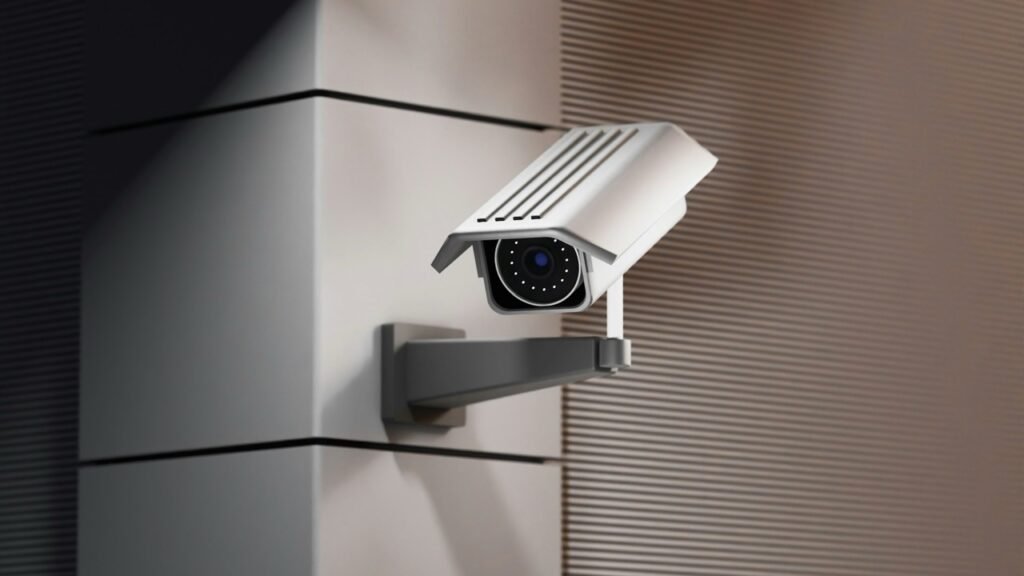
This C1 lesson examines how surveillance operates across five levels, from your home to international borders. Students learn vocabulary like warrant, facial recognition, remote proctoring, and digital strip search, then listen to a privacy advocate explain tracking in homes, workplaces, stores, public spaces, and airports. Activities include analyzing surveillance risks, correcting collocation errors, and planning how to stay invisible for one day.
Lesson overview
- Learn surveillance vocabulary including warrant, facial recognition, remote proctoring, scrutinize, and seize with definitions
- Listen to five audio clips explaining surveillance levels from smart homes to airport border searches
- Discuss whether freedom of expression should be protected at borders or security takes priority
- Plan how to stay invisible for one day by avoiding tracking from apps, devices, and companies
| Level | Vocabulary | Audio Length | Lesson Time |
| C1 / Advanced | 16 words | 5:40 min | 60-90 min |
Vocabulary
- privacy advocate
- surveillance
- vulnerable
- put behind bars
- warrant
- facial recognition
- remote proctoring
- penalize
- pat down
- trespassing
- disclose
- coerce
- subject to
- digital strip search
- scrutinize
- seize
Contents
- Lead-in
- Vocabulary preview
- Definitions
- Audio 1 – Your Home
Audio 2 – Secondary Spaces
Audio 3 – Semi-Public Spaces
Audio 4 – Public Spaces
Audio 5 – Travel & Transit - Comments
- Practice
- Reading
- Speaking
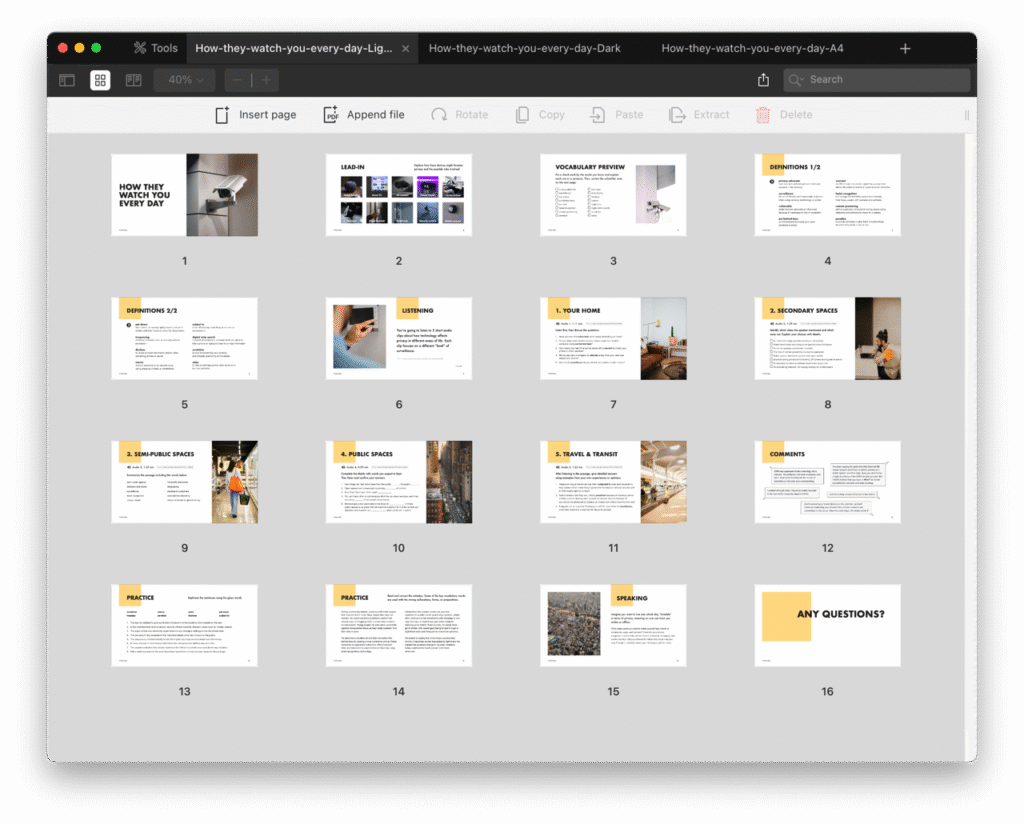
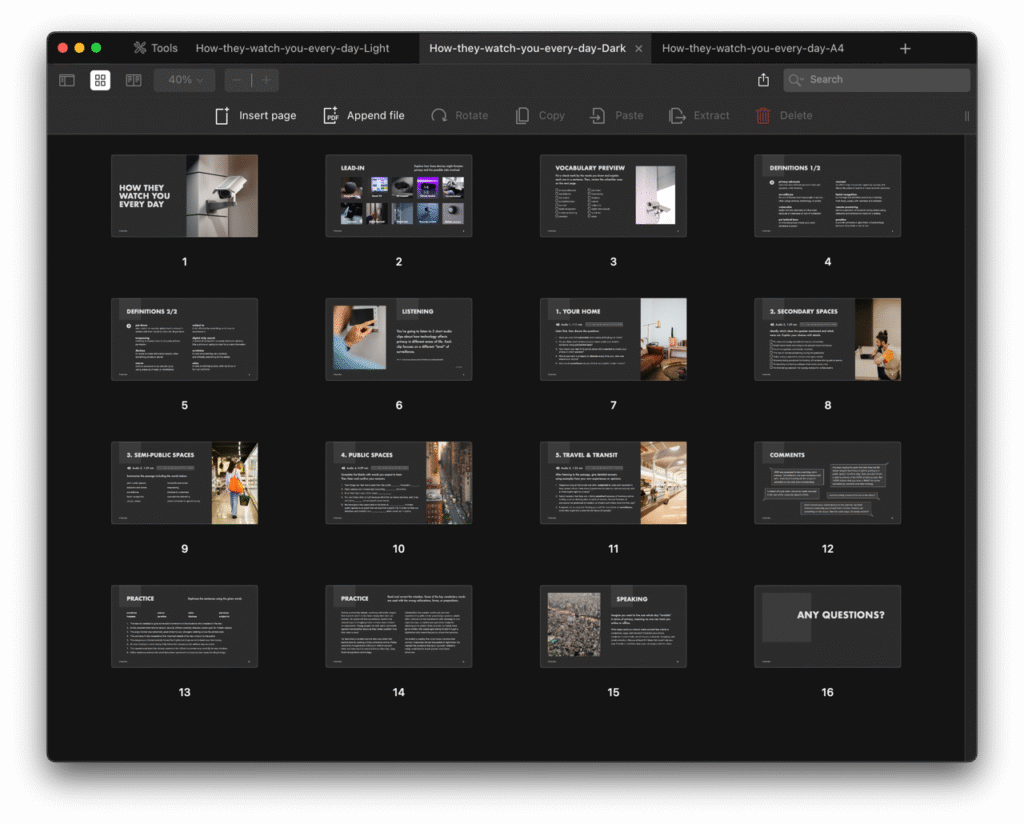
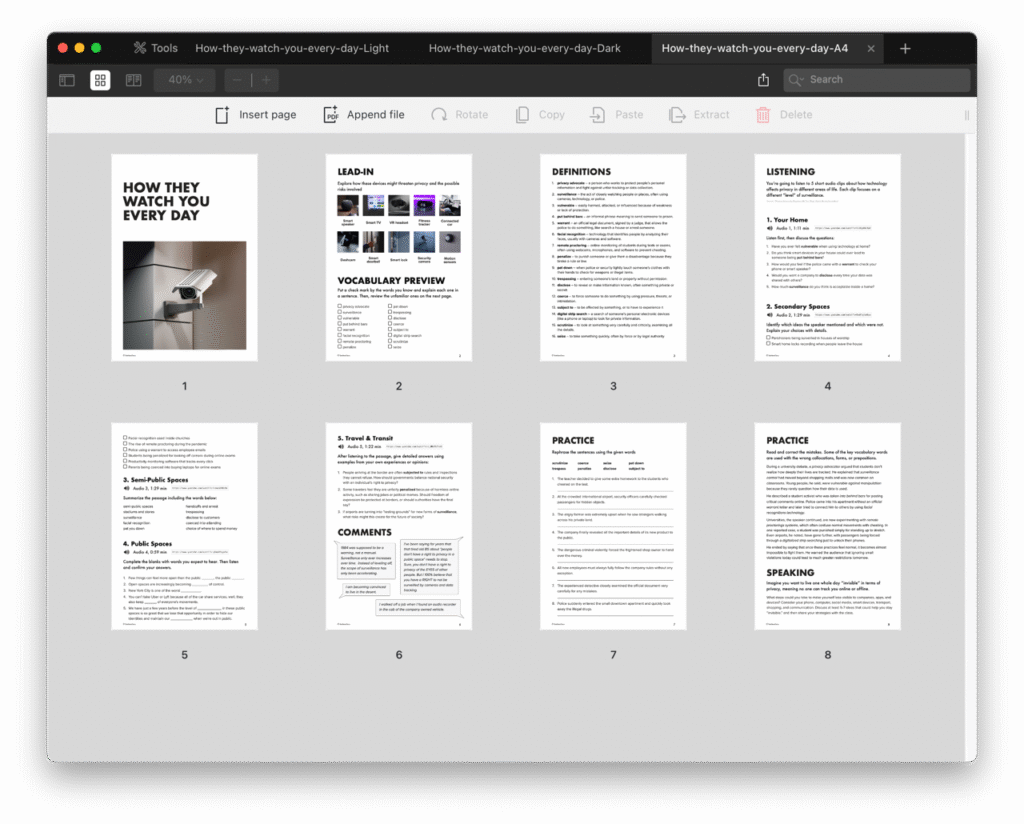
Start with the device grid showing smart speakers, TVs, fitness trackers, and security cameras. Students discuss how each threatens privacy and what risks exist. This activates prior knowledge before introducing technical vocabulary. Move to the vocabulary preview. Students check words they know and explain them, then review unfamiliar ones across two definition pages. Words like “coerce” and “subject to” require careful explanation since they involve tricky prepositions.
Audio 1 covers surveillance in homes through smart devices like Alexa. After listening, students discuss five questions about feeling vulnerable and whether they want companies disclosing data sharing. Audio 2 examines secondary spaces like churches, schools, and workplaces. Students identify which ideas the speaker mentioned from a list including remote proctoring and productivity monitoring. Audio 3 covers semi-public spaces like stadiums and stores. Students summarize using ten provided words including facial recognition and pat down.
Audio 4 explores public spaces with a gap-fill activity. Students predict missing words, then listen to confirm. The passage describes New York City surveillance and license plate readers. Audio 5 addresses travel and borders. Students answer three detailed questions about balancing security with privacy, protecting expression at borders, and risks of airports becoming surveillance testing grounds. The comments section shows real reactions ranging from wanting to live in the desert to practical advice about not connecting smart devices.
The first practice exercise has students rephrase eight sentences using target vocabulary. The second practice is error correction focusing on wrong collocations like “surveillance control” instead of “surveillance state” and “facial recognitions” instead of “facial recognition.” End with the speaking task where students plan how to stay invisible for one day across phone, transport, shopping, and communication.
