How Dating Has Changed

How dating has changed lesson plan featuring video-based activities for B1 level English learners

Lesson overview

This intermediate ESL lesson plan uses three short videos to explore how dating has changed from traditional face-to-face meetings to modern app-based relationships. Students learn 18 vocabulary words related to dating and relationships through pre-teaching activities, watch video contrasts between “then” and “now” dating scenarios, and practice the language through discussion, writing comments, and storytelling tasks. The lesson builds from controlled vocabulary exercises to freer production activities, culminating in a two-minute speaking task about dating experiences. It’s a video-based lesson that really engages B1 students because the topic feels relevant and the authentic video content sparks genuine conversation about relationships.

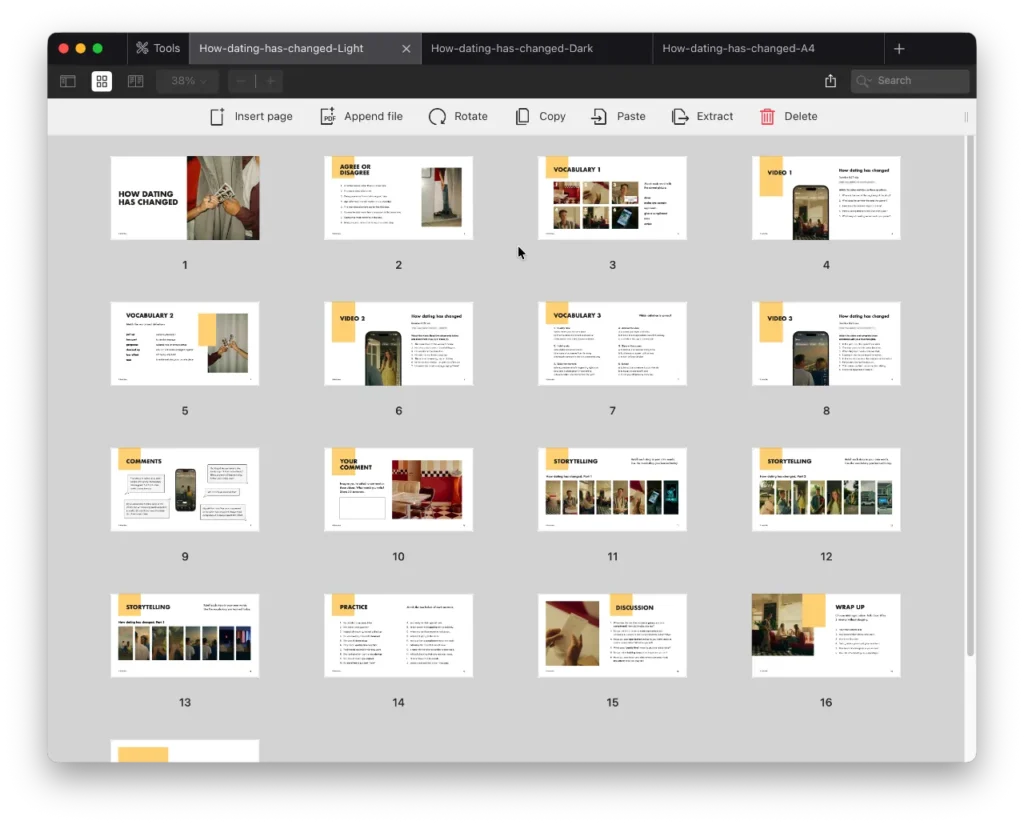
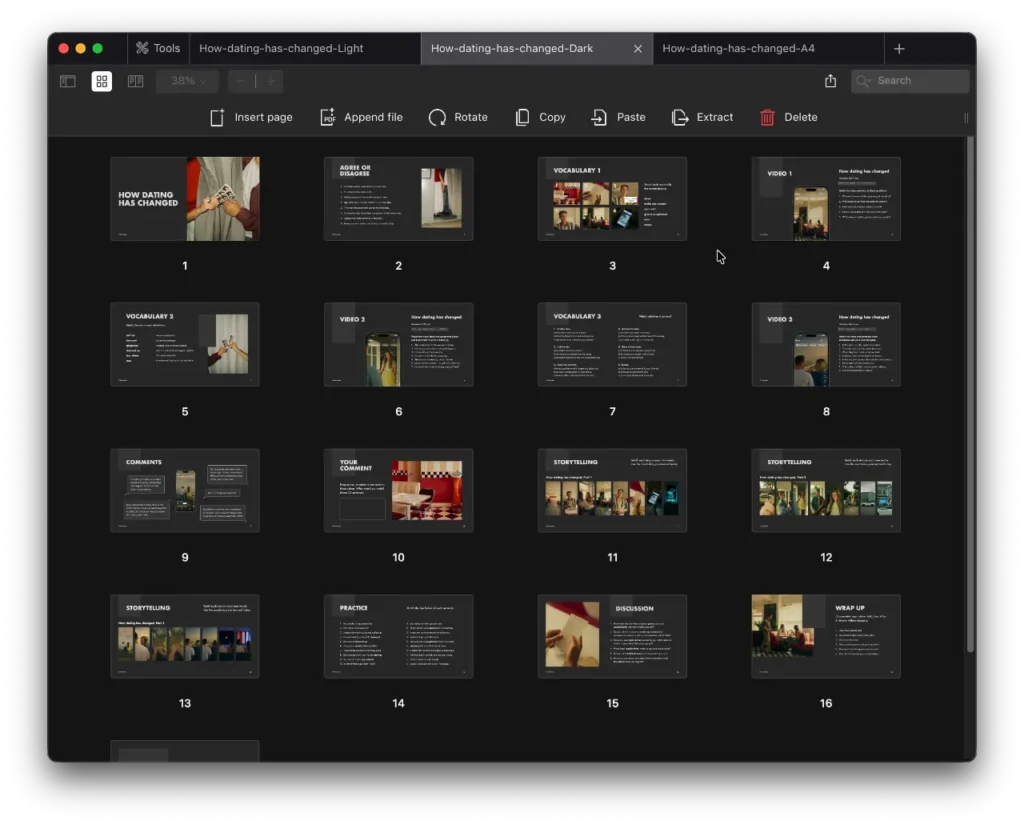
Student's Version (Light/Dark)

Teacher's Version (Answer Keys)

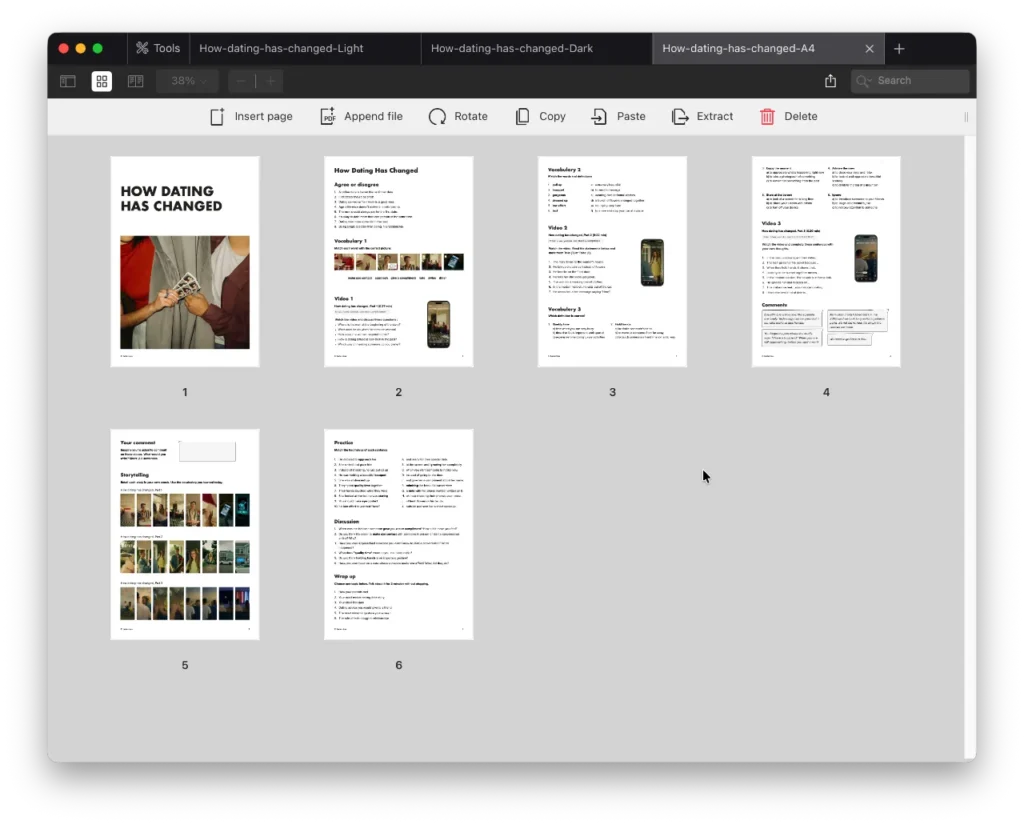
Printable Classroom Version (A4)

LevelVocabularyVideo LengthLesson Time
B1 / Intermediate18 words0:27, 0:22, 0:20 min60 min

Vocabulary

  • diner
  • make eye contact
  • approach
  • compliment
  • note
  • swipe
  • pull up
  • bouquet
  • gorgeous
  • dressed up
  • low effort
  • text
  • quality time
  • hold hands
  • enjoy the moment
  • admire the view
  • stare at the screen
  • ignore

Contents

  • Agree or disagree 
  • Vocabulary 1
  • Video 1
  • Vocabulary 2
  • Video 2
  • Vocabulary 3
  • Video 3
  • Comments
  • Your comment
  • Storytelling
  • Practice
  • Discussion
  • Wrap up

Teaching guide

Agree or Disagree

This opening warm-up activity gets your B1 students talking right from the start by presenting eight dating-related statements they need to react to. The prompts cover everything from coffee dates versus dinner dates to whether dating was more romantic in the past, making it perfect for sparking genuine conversation in your ESL classroom. Students share their opinions with partners, which naturally leads into the lesson’s theme of how relationships have evolved. This discussion-based warm-up works brilliantly because it activates prior knowledge and gets intermediate learners comfortable using dating vocabulary before diving into the video content. You’ll notice students start using phrases like “I think” and “I disagree because,” which sets up the conversational tone for the rest of this relationship-focused lesson plan.

Vocabulary 1, Video 1

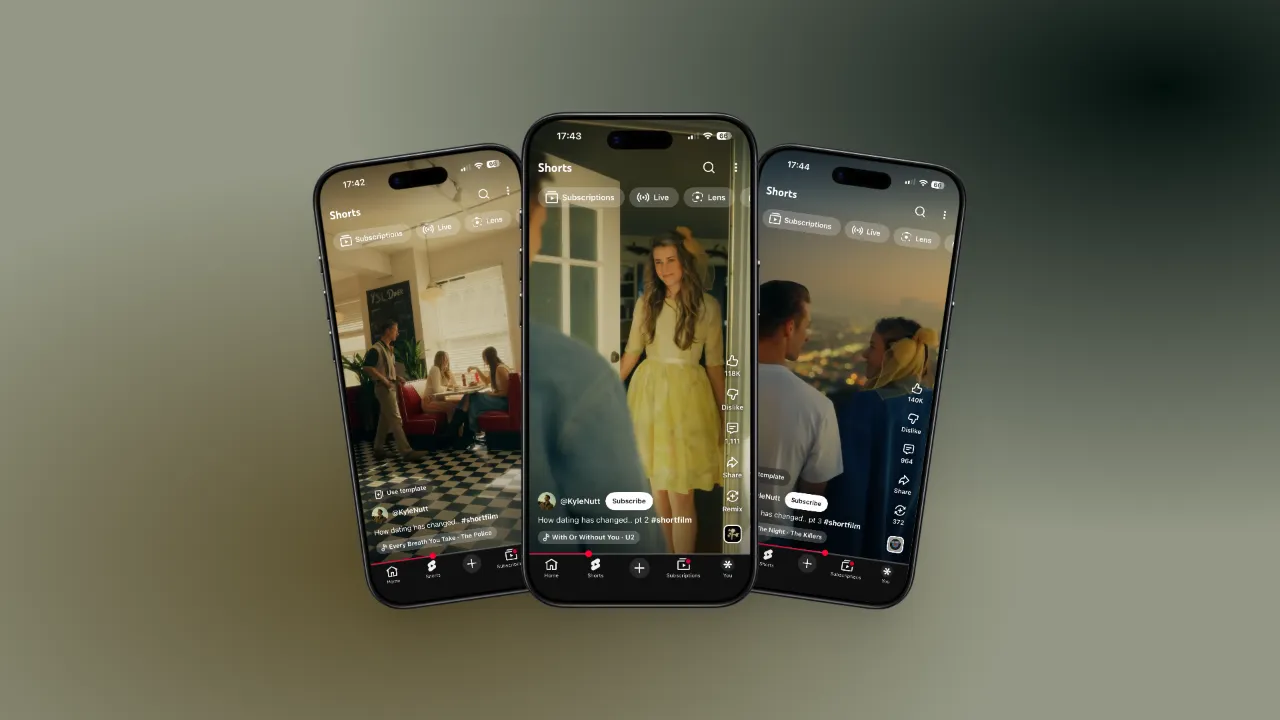
Before watching the first video about dating at a diner, students match six key vocabulary words with pictures: diner, make eye contact, approach, give a compliment, note, and swipe. This pre-teaching strategy is essential for B1 learners because it removes comprehension barriers before they watch the video-based lesson content. Once students understand these dating terms, they watch a 27-second video showing the contrast between traditional dating (approaching someone in person) and modern dating (swiping on apps). After viewing, five discussion questions help students process what they saw and connect it to their own experiences with relationships. This sequence: vocabulary preview, video viewing, followed by discussion is a proven framework for intermediate ESL lessons because it scaffolds comprehension while building speaking confidence around the topic of dating and how meeting people has changed over time.

Vocabulary 2, Video 2

The second vocabulary section introduces six more relationship-related terms through a matching exercise where students connect words like “pull up,” “bouquet,” “gorgeous,” “dressed up,” “low effort,” and “text” with their definitions. This vocabulary builds on the dating theme by focusing specifically on the pickup experience and how people collect their dates. The 22-second video then shows a romantic “then” scenario (man brings flowers, knocks on the door, gives compliments) contrasted with a modern “now” version (guy texts “here” from his car). Students complete a true/false comprehension activity with seven statements, which works perfectly for B1 students because it checks understanding without requiring production of complex language yet. This video-based lesson segment really resonates with intermediate learners because they can relate to these dating situations, making the vocabulary practice feel authentic rather than mechanical.

Vocabulary 3, Video 3

For the third vocabulary set, students work with more abstract relationship concepts: quality time, hold hands, enjoy the moment, admire the view, stare at the screen, and ignore. The format shifts here, instead of matching, students choose the correct definition from three options for each term, which adds a bit more challenge appropriate for intermediate level. The 20-second video shows a couple on a romantic date (holding hands, watching sunset together) versus a modern couple sitting on the couch staring at Netflix while ignoring each other. The follow-up task asks students to complete eight sentence prompts with their own thoughts about dating and relationships, which moves them from comprehension into personalized production. This progression through the three video segments creates a complete narrative about how dating has changed, and by this point in the lesson plan, your B1 students have encountered 18 vocabulary items related to relationships in meaningful contexts.

Comments, Your Comment

This section shows students five authentic-sounding comments that people might leave on the dating videos they just watched. Reading these comments serves multiple purposes in your ESL lesson: it provides models of how native speakers react to this topic, it reinforces the vocabulary in natural usage, and it shows different perspectives on whether dating was better “then” or “now.” After reading, students write their own 2-3 sentence comment as if they were responding to the videos on social media. This writing task is perfect for B1 learners because it’s short, purposeful, and mimics real-world digital communication about relationships. You’ll find that students really engage with this activity because commenting on videos feels authentic to them.

Storytelling

Here’s where all that vocabulary practice pays off. Students look at screenshots from each of the three videos and retell the stories in their own words using the dating vocabulary they’ve learned. This storytelling activity is the centerpiece of the lesson plan because it requires students to actively recall and produce the target language rather than just recognizing it. For intermediate learners, this kind of guided production (they have visual prompts but must generate their own sentences) hits the sweet spot between support and challenge. You’ll see students naturally incorporating terms like “approach,” “make eye contact,” “pull up,” “dressed up,” “hold hands,” and “ignore” as they describe what happened in each dating scenario. The storytelling section typically takes 10-15 minutes and really shows you which vocabulary has stuck and where students might need additional practice with relationships terminology.

Practice, Discussion

The practice section offers a sentence-matching activity where students connect ten sentence halves to review all the vocabulary from the video-based lesson. This works as a quick formative assessment. You can immediately see if students understand collocations like “make eye contact,” “spend quality time,” and “give a compliment” in context. The discussion section then provides six conversation questions that push students to reflect more deeply on dating and relationships using the target vocabulary. Questions like “When was the last time someone gave you a nice compliment?” and “What does quality time mean to you in a relationship?” encourage intermediate students to share personal experiences while recycling the lesson’s key terms. This combination of controlled practice followed by freer discussion is classic communicative language teaching and works beautifully for B1 level students who need both accuracy work and fluency practice.

Wrap Up

To close this dating lesson plan, students choose one topic from six options and speak for two minutes without stopping. Topics include “How your parents met,” “Your most embarrassing date story,” and “The role of technology in relationships.” This extended speaking task is challenging but achievable for intermediate learners at this point in the lesson because they’ve been building up to it through all the previous activities. The two-minute monologue format develops fluency and helps students practice organizing their thoughts about dating and relationships in English. You’ll notice that by this stage, students naturally incorporate the vocabulary they’ve learned throughout the lesson: words like “approach,” “quality time,” “low effort,” and “ignore” tend to appear spontaneously in their speaking. This wrap-up activity gives you a clear sense of what students can do with the language after working through this complete video-based ESL lesson.

Oksana

Teaching for 10+ years has taken me across cultures, from living in Asia to working with diverse students worldwide. Now, I focus on general and business English for adults, crafting lessons that are engaging, practical, and inspired by my love for travel, photography, and culture.