
How Coffee Got Its Names

This B2 lesson explores how espresso drinks got their names through etymology and coffee-making techniques. Students learn vocabulary like “microfoam,” “ratio,” and “originate,” then watch a video explaining why cappuccino, macchiato, and cortado are called what they are. The activities include comparing coffee cultures, predicting true/false statements, completing comprehension questions, and role-playing barista conversations.
Lesson overview
- Practice coffee vocabulary related to preparation methods, milk textures, and drink characteristics
- Watch a short video revealing the historical and descriptive origins of popular espresso drink names
- Discuss whether coffee menus should explain drinks or assume customer knowledge
- Build conversation skills through two role-plays about explaining menu options and defending coffee preferences
| Level | Vocabulary | Video Length | Lesson Time |
| B2 / Upper-Intermediate | 12 words | 1:16 min | 60 min |
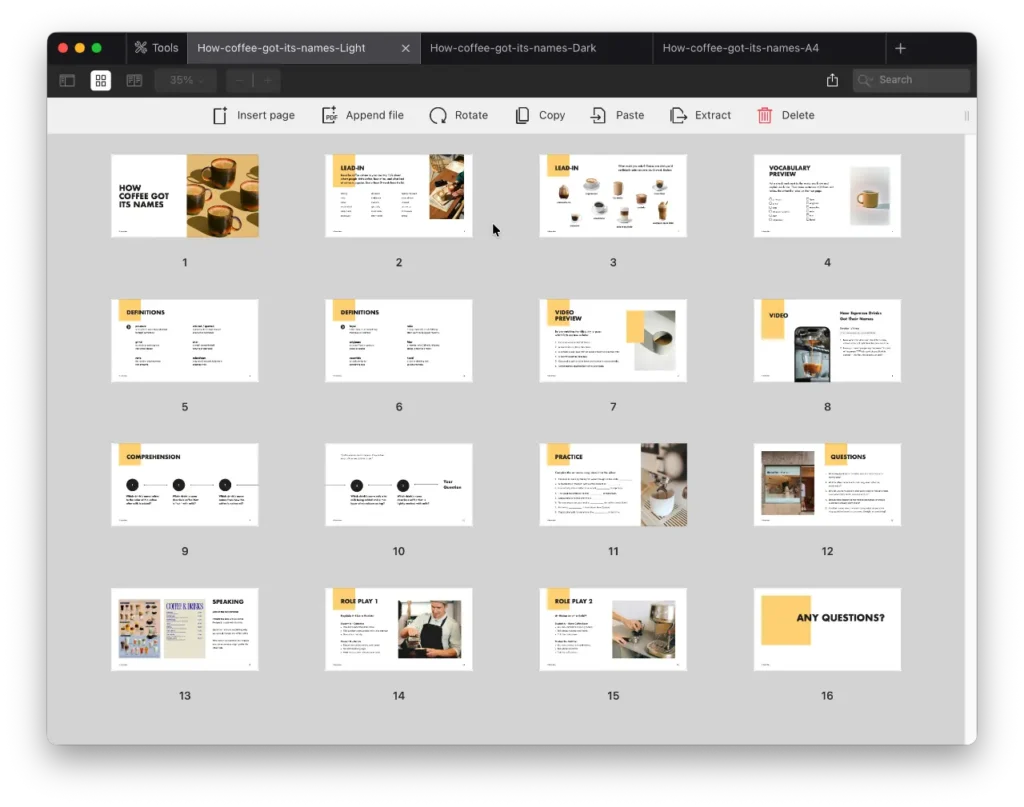
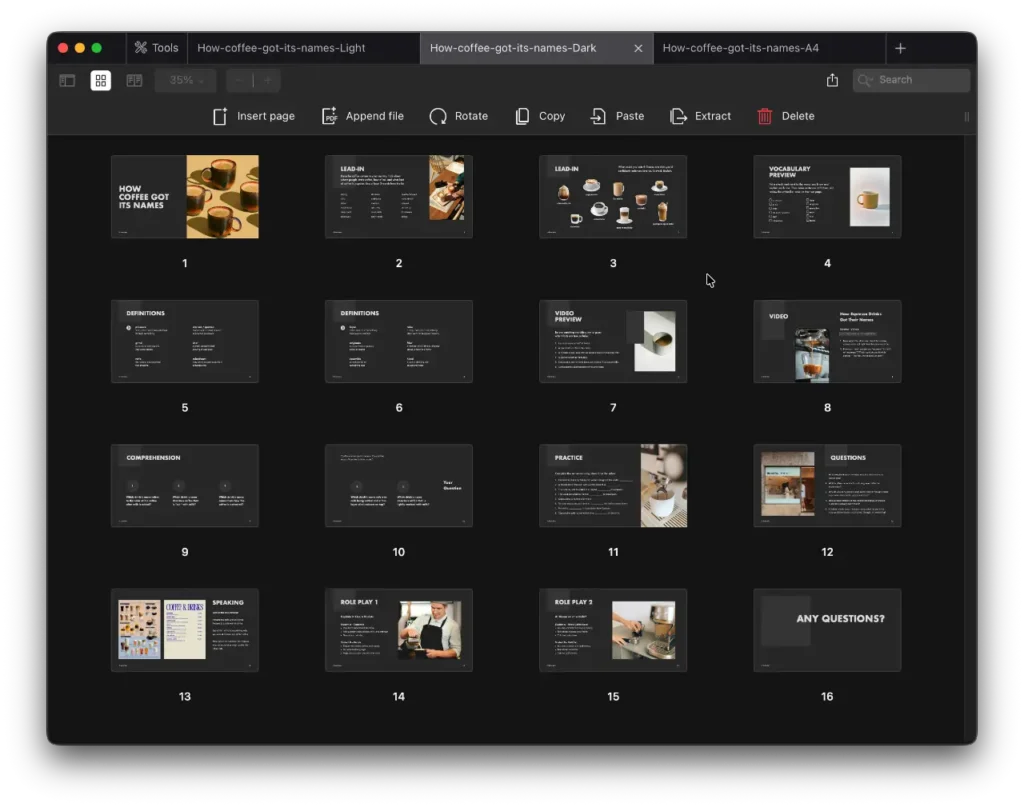
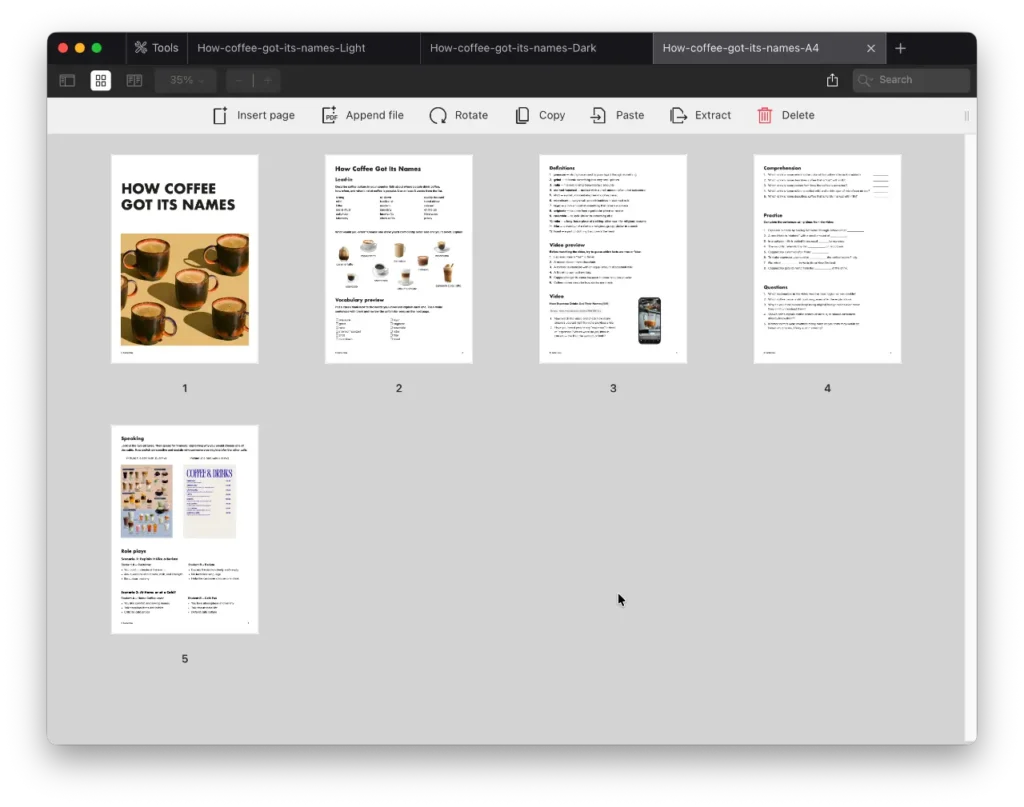
Vocabulary
- pressure
- to grind finely
- ratio
- stained / spotted
- shot
- microfoam
- layer
- originate
- resemble
- robe
- friar
- hood
Contents
- Lead-in
- Vocabulary preview
- Definitions
- Video preview
- Comprehension
- Video
- Comprehension
- Practice
- Questions
- Speaking
- Role play
Start with coffee culture descriptions using words like “third-wave,” “takeaway,” and “specialty cafés.” Students compare traditional versus modern habits, then choose one menu drink they’d confidently order and one they’d avoid, revealing knowledge gaps.
The vocabulary section introduces twelve terms including “microfoam” (tiny smooth bubbles in steamed milk) and “ratio” (important because cortado uses equal parts espresso and milk). Students preview six true/false statements about coffee names before watching, creating investment in finding answers.
The video runs 1:16 minutes explaining that espresso means “pressed out,” macchiato means “stained,” cortado means “cut,” flat white describes thin microfoam, and cappuccino references Capuchin friars’ robes. Students check predictions, then answer comprehension questions about which names describe color, extraction method, and milk techniques.
Practice sentences require completing blanks using video information. Discussion questions ask which explanation was most memorable and whether cafés should explain menus or expect customer knowledge. The speaking activity shows two menus (35 drinks versus 8 drinks). Students defend their preference for one minute, then switch perspective.
The first role-play has a confused customer asking a barista for simple explanations without technical jargon. The second contrasts a home coffee lover defending comfort and savings against a café fan who values atmosphere and variety.
