He Only Wears Vintage
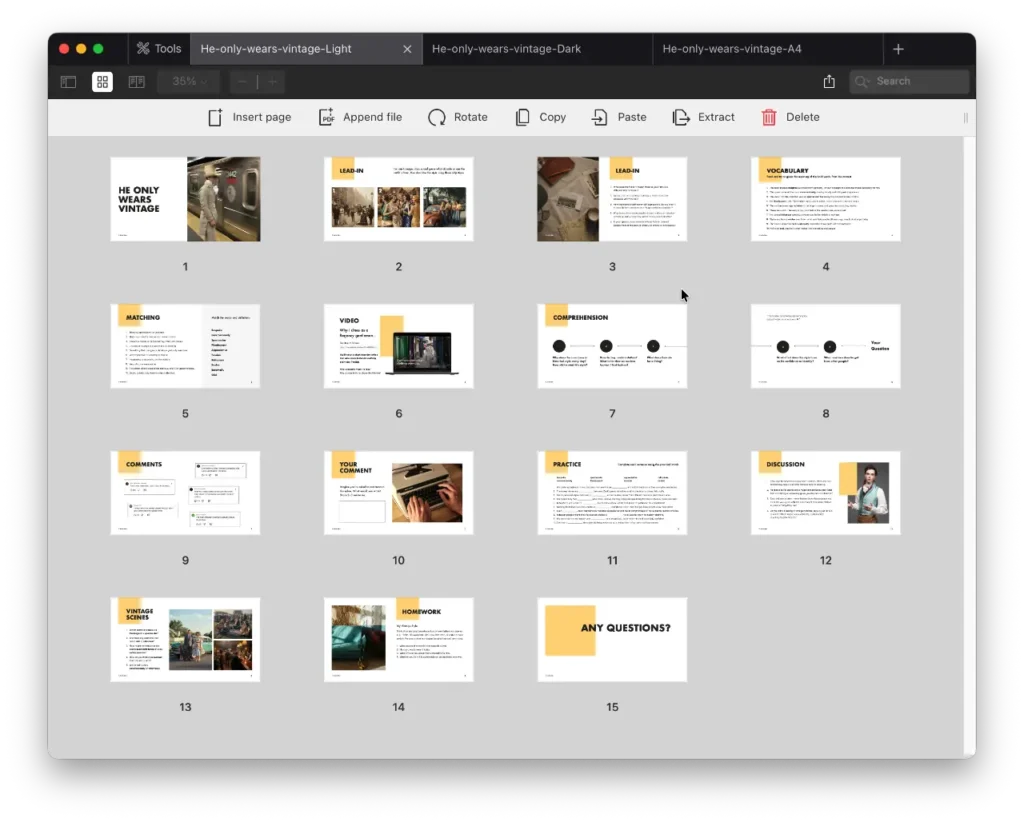
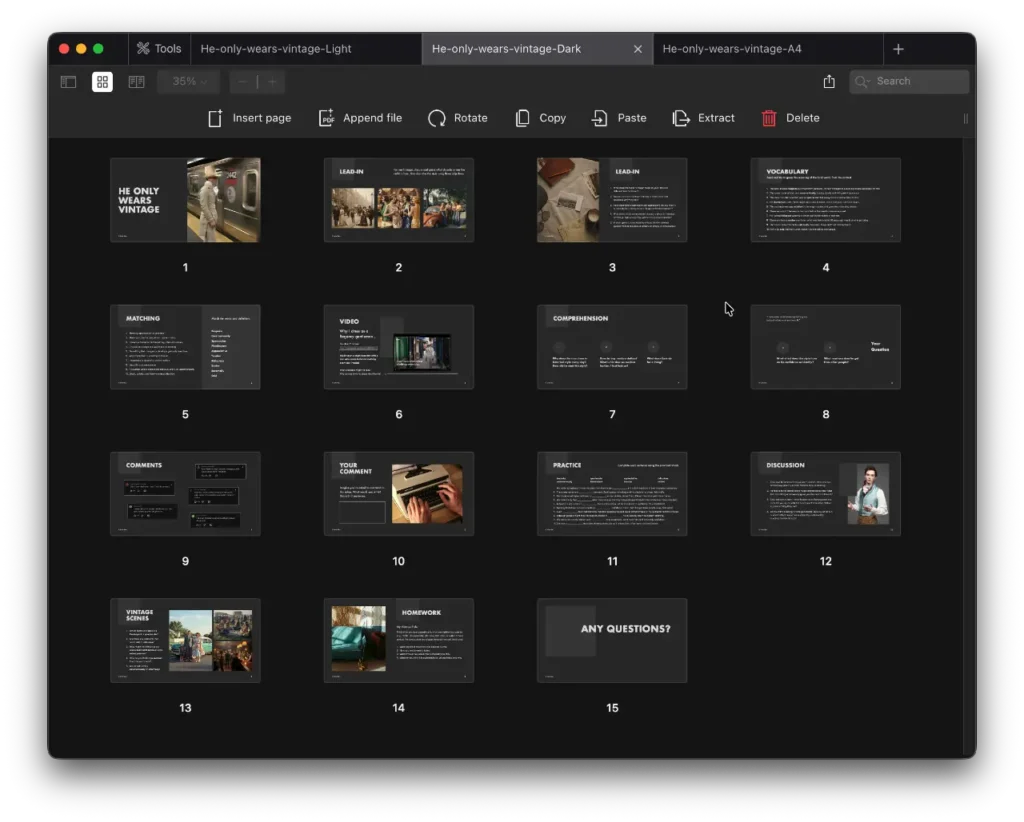
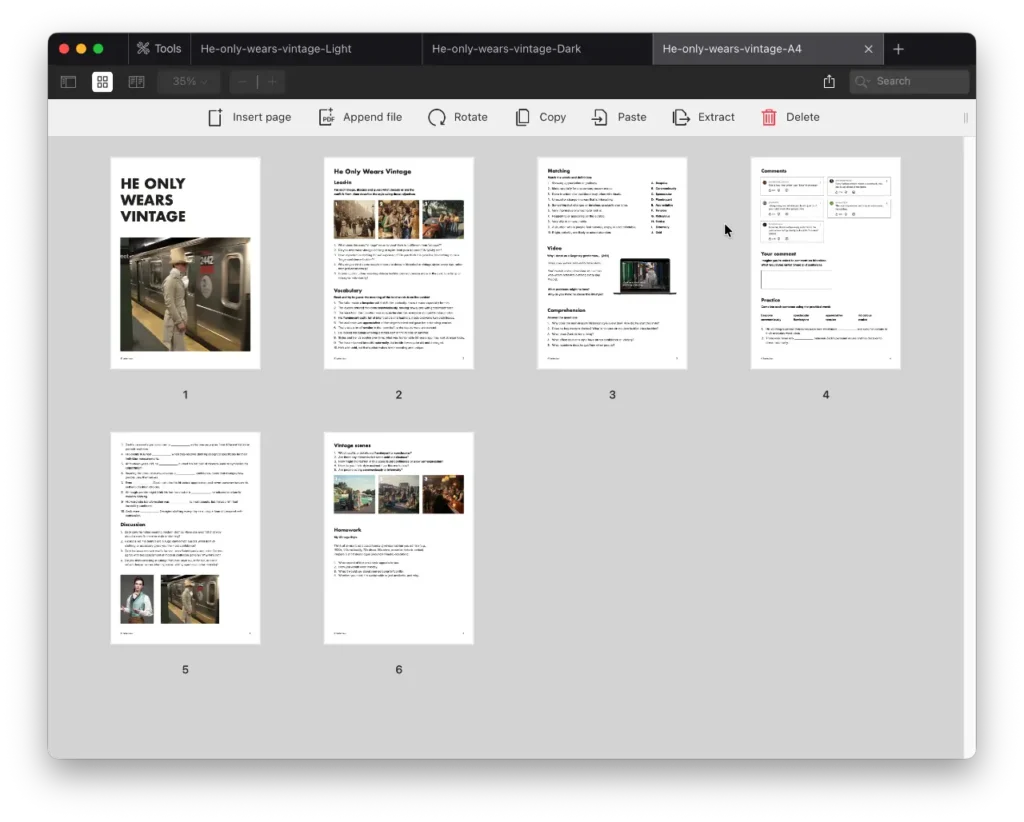
This vintage fashion lesson plan follows a fascinating interview with a man who wears Regency-era clothing every single day and refuses to own modern clothes. Your B2 students will dive into discussions about self-expression, confidence, and why some people completely reject contemporary fashion trends. The lesson includes authentic video content, advanced vocabulary about style and identity, and debates about whether vintage fashion is just aesthetic or reflects deeper values. Perfect for upper-intermediate learners who want to discuss clothing as a form of personal rebellion and cultural statement. Students write their own comments responding to the video and prepare monologues about historical fashion eras they admire.
| Level | Vocabulary | Video Length | Lesson Time |
| B2 / Upper-Intermediate | 10 words | 2:51 min | 60 min |
Vocabulary
- Bespoke
- Ceremoniously
- Spectacular
- Flamboyant
- Appreciative
- Tension
- Ridiculous
- Evolve
- Externally
- Odd
Contents
- Lead-in
- Vocabulary
- Matching
- Video
- Comprehension
- Comments
- Your comment
- Practice
- Discussion
- Vintage scenes
- Homework
Teaching guide
Lead-in
This fashion lesson plan opens with a visual analysis of three historical images showing different eras of clothing style. Students examine each photograph and guess which decade or era the outfits represent, then describe the style using three adjectives. This sets the stage for discussing vintage fashion while activating descriptive vocabulary related to clothing and historical periods. Following the image analysis, learners engage with five discussion questions that explore what “vintage” means, how it differs from “antique,” and whether students personally wear vintage styles. The conversation progresses to deeper questions about clothing as self-expression and confidence building, and why some people choose historical fashion as a daily lifestyle rather than occasional costume. This serves as an engaging warm-up for an upper-intermediate ESL lesson plan focused on fashion and identity, encouraging critical thinking about personal style choices and their cultural significance.
Vocabulary, Matching
Students work with ten advanced vocabulary items essential for discussing fashion, style, and self-expression at B2 level. The vocabulary preview presents words in context sentences: “bespoke,” “ceremoniously,” “spectacular,” “flamboyant,” “appreciative,” “tension,” “ridiculous,” “evolve,” “externally,” and “odd.” Learners first attempt to guess meanings from context, which develops their inference skills before checking definitions. This contextual approach to vocabulary teaching suits upper-intermediate learners who can deduce meaning from surrounding language. Following the context-based introduction, students complete a matching activity where they connect each word with its precise definition, reinforcing comprehension. This pre-teaching stage removes lexical barriers before the video input and ensures students can fully engage with the interview content. The vocabulary chosen reflects both fashion-specific language and broader expressions about personal choices and social reactions, making this vocabulary work valuable beyond the immediate lesson within a clothing ESL lesson plan.
Video, Comprehension
Students watch a 2:51 video interview titled “Why I dress as a Regency gentleman” featuring Zack Pinsent, a man who wears historical clothing every day and makes bespoke period garments for a living. Before viewing, learners make predictions about what problems he might face and why he chose this lifestyle, activating critical thinking and establishing purpose for listening. This prediction stage is essential in upper-intermediate lesson planning as it encourages hypothesis formation. During the video, students focus on five comprehension questions that require detailed understanding: why Zack dresses historically and how he started, whether he buys modern clothes and his views on fast fashion, what he does professionally, how this style affects his confidence and identity, and what reactions he receives from others. These questions progress from factual recall to inference and opinion analysis, appropriate for B2 listening skills. The video provides authentic input featuring natural speech patterns, challenging vocabulary, and complex ideas about identity and self-expression, making it ideal content for an upper-intermediate fashion lesson plan. After viewing, students discuss their answers and reflect on Zack’s perspective on modern fashion and personal authenticity.
Comments, Your comment
This stage analyzes authentic YouTube comments from viewers responding to the video about historical fashion. Students read five real comments expressing different perspectives: admiration for using formal language confidently, envy for people who ignore others’ opinions, predictions about fashion comebacks, appreciation for his clothing-making skills, and observations about how his style suits him better than modern clothes would. Reading these comments exposes learners to informal digital communication styles and diverse opinions about unconventional fashion choices, valuable for B2 students developing cultural awareness and understanding of online discourse. Following the comment analysis, students write their own 2-3 sentence comment responding to the video, as if posting on YouTube. This authentic writing task encourages learners to express opinions clearly and concisely while considering an online audience. The activity bridges receptive and productive skills within the ESL lesson plan, moving from analyzing others’ viewpoints to articulating personal responses about vintage fashion and individual style choices.
Practice
Students complete ten sentences using the target vocabulary in new contexts, reinforcing lexical understanding through controlled practice appropriate for upper-intermediate level. The sentences relate specifically to Zack’s story and the themes discussed in the video, maintaining thematic coherence while providing multiple exposures to each vocabulary item. For example, students complete sentences about how his business offers flamboyant options, how there was never tension between his values and fashion choice, and how his style continues to evolve. This contextualized gap-fill format requires students to understand both the vocabulary meanings and the grammatical contexts where each word naturally appears, developing accuracy alongside fluency. The practice activity ensures that B2 learners can actively use new language rather than just recognizing it passively, essential for vocabulary acquisition in an upper-intermediate clothing lesson plan. The sentences are written to reflect realistic usage patterns, helping students internalize how these words function in natural English discourse about fashion, identity, and personal expression.
Discussion, Vintage scenes
The discussion section engages students with four opinion-based questions that encourage deeper reflection on the video’s themes. Learners discuss whether they’ve ever hated wearing certain trends, what clothing gives them confidence, whether modern men’s fashion truly lacks color and flamboyance as Zack suggests, and whether vintage fashion is superficial fun or reflects deeper values like identity, sustainability, and rejection of mainstream trends. These questions challenge B2 students to formulate nuanced arguments, compare perspectives, and support opinions with reasoning, all essential skills for upper-intermediate speaking. Following the discussion, students examine three vintage scene photographs showing different historical periods and social contexts. They analyze these images using five guided questions that incorporate the lesson’s target vocabulary: identifying flamboyant or spectacular elements, finding odd or ridiculous details, discussing how fashion might build confidence or allow self-expression, considering how style evolved from each era to now, and determining whether people are acting ceremoniously or informally. This visual analysis activity combines vocabulary recycling with cultural observation and critical thinking, making it an effective component of a fashion ESL lesson plan that develops both language skills and historical awareness.
Homework
To conclude this lesson plan about vintage fashion, students prepare a one-minute monologue about a historical era whose fashion they personally admire, such as the 1920s, 50s rockabilly, 70s disco, 80s retro, or earlier historic periods. The monologue must address four specific points: what aspect of that era’s style appeals to them, how they would wear it in contemporary life, what it would communicate about their personality and identity, and whether they view it as sustainable fashion or purely aesthetic choice. This homework assignment encourages personal connection to the lesson content while requiring structured presentation skills appropriate for B2 level. Students must research their chosen era if needed, make thoughtful connections between historical fashion and modern self-expression, and consider sustainability issues within fashion choices. The task integrates the lesson’s themes about clothing as identity, the appeal of vintage aesthetics, and the deeper meanings behind fashion decisions. Students return to class prepared to present their monologues, creating natural speaking practice for the following session and allowing classmates to learn about various historical fashion periods through peer presentations.