
Going Analog
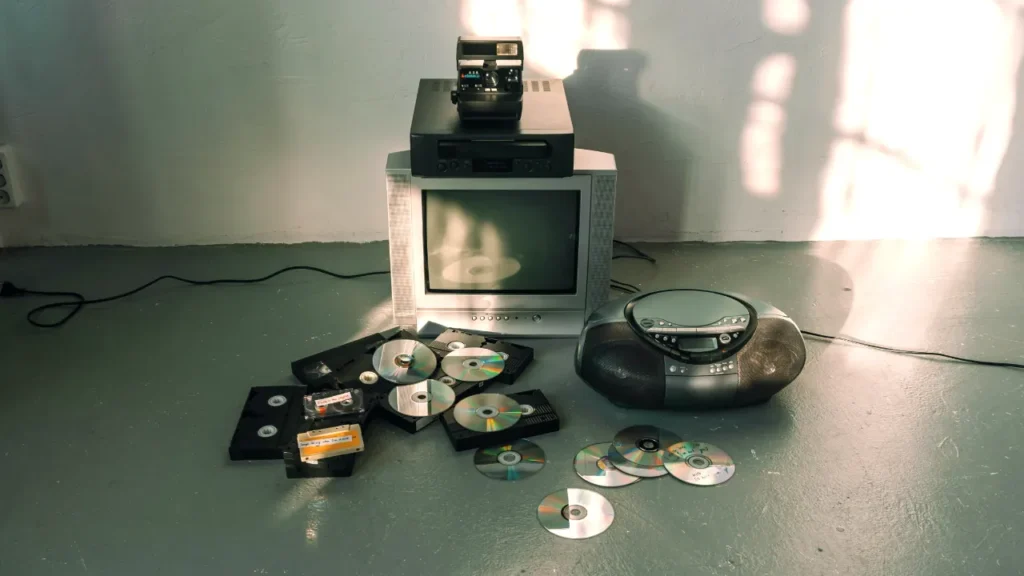
This C1 lesson looks at the growing trend of people ditching digital life in favor of analog habits. Students at an advanced level explore why some people are swapping apps and algorithms for vinyl records, film cameras, and handwritten letters. The lesson uses real quotes, vocabulary in context, and a group challenge to get students thinking critically about technology, data privacy, and what it means to truly disconnect.
Lesson overview
- Discuss why people are rejecting digital technology for analog alternatives
- Practice 10 advanced vocabulary words including “backlash,” “oxymoron,” and “swear off”
- Analyze real quotes about internet monetization, AI content, and data privacy
- Design a realistic analog challenge with group discussion and critical debate
| Level | Vocabulary | Reading Time | Lesson Time |
| C1 / Advanced | 10 words | 1110 words / 6 mins | 60 min |
Vocabulary
- backlash
- tangible
- spur on
- ditch
- urge
- oxymoron
- swear off
- liberating
- gawk
- decompress
Contents
- Lead-in
- Quote 1
- Quote 2
- Quote 3
- Vocabulary Preview
- Definitions
- Article
- Full list
- Questions
- Agree or disagree
- Practice
- Analog challenge
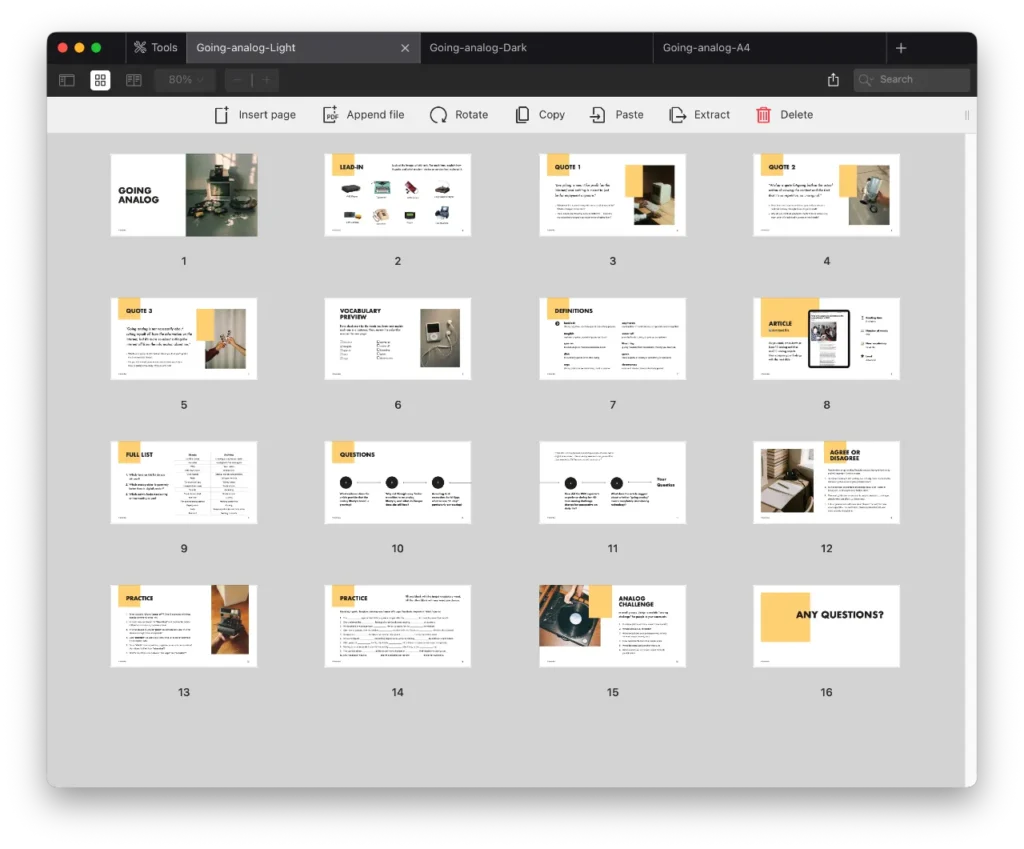
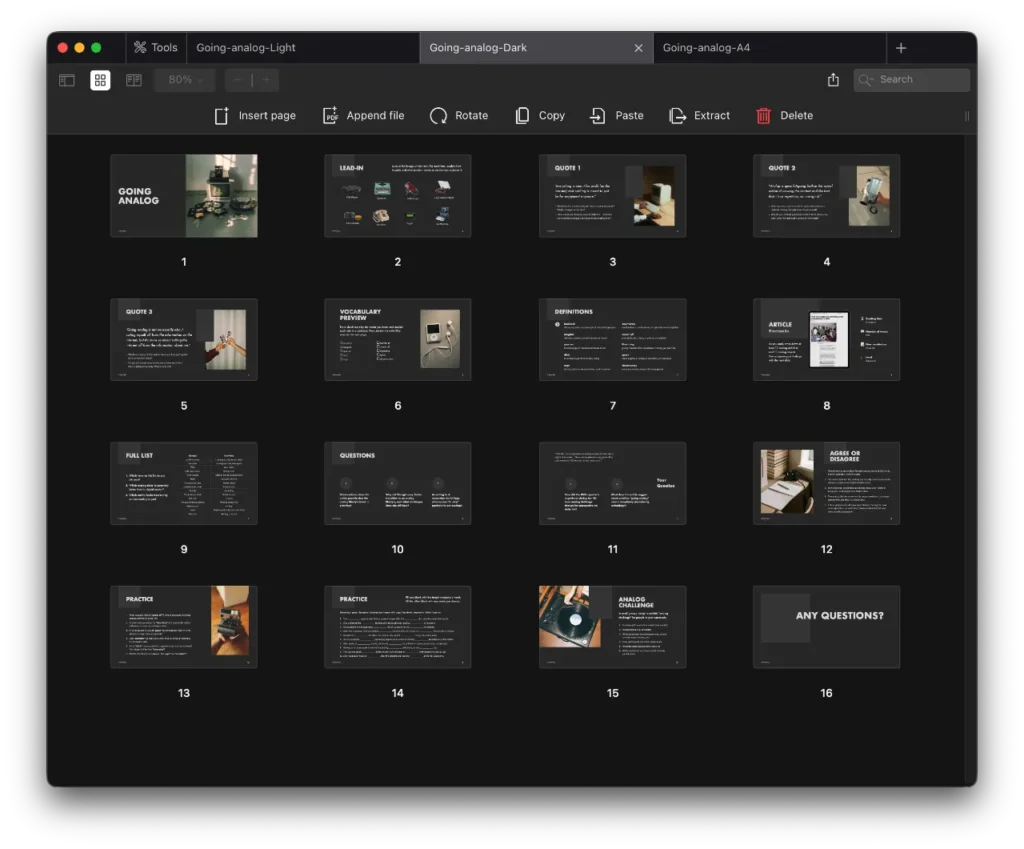
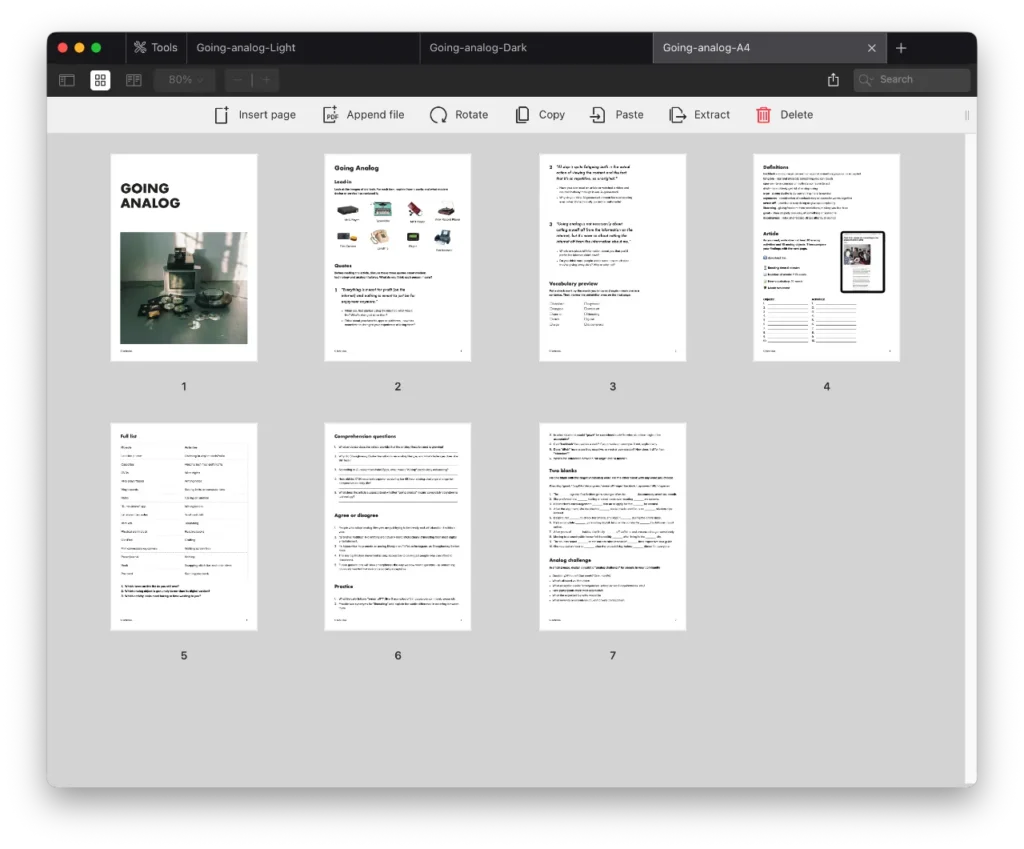
Start the lesson with the lead-in slide showing old tech. Give students a minute to look at the images and think before anyone speaks. Then run it as a quick pair activity where students explain how each device works and what replaced it. Most C1 students will have strong opinions here, and a few will remember using some of these devices. That personal connection makes the discussion feel real rather than academic.
Move into the three quotes one at a time. Don’t rush them. Each quote works best as a short pair discussion before opening it to the group. The quote about AI slop tends to generate the most debate, especially if some students use AI tools themselves. The third quote about data privacy is the most analytical, so save extra time there if your group is strong on critical thinking.
Before the article, run the vocabulary preview as a self-check. Students mark what they know, then read the definitions on the next slide for anything unfamiliar. This takes about three to four minutes and means they go into the article with confidence. Set the analog lifestyle reading task clearly: they need to find at least 10 objects and 10 activities as they read. Give them six minutes and let them work individually. The comparison slide after works well as a whole-class discussion where you build the list together.
Use the agree or disagree statements near the end to push students into defending a position. Statement three, about whether it’s hypocritical to promote analog living on TikTok, reliably splits the room. The analog challenge group task works well as a final 10-minute activity. Give each group a different constraint, for example one group plans a 24-hour challenge while another designs a one-month version, then compare results.
