Getting Around
This A2 lesson teaches basic transportation vocabulary and how to give simple directions. Students learn words like bus, train, subway, and bike, plus direction phrases like “go straight” and “turn left.” Activities include a video about Vienna’s public transport, comparing different travel options, and practicing giving directions using a map.
Lesson overview
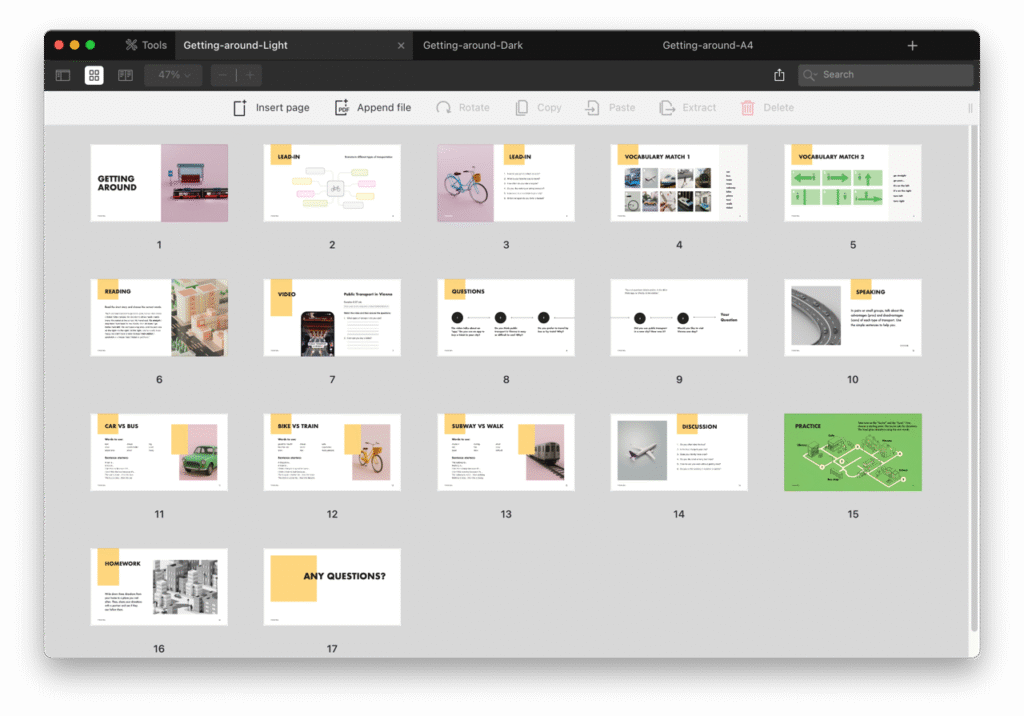
- Learn essential transportation vocabulary including car, bus, train, tram, subway, bike, and taxi
- Practice direction phrases like go straight, turn left, turn right, and it’s on the right
- Watch a short video about public transport in Vienna and discuss ticket options
- Compare different types of transport using simple comparatives like faster than and cheaper than
| Level | Vocabulary | Video Length | Lesson Time |
| A2 / Pre-Intermediate | 10 words | 0:27 min | 60 min |
Vocabulary
- Car
- Bus
- Train
- Tram
- Subway
- Bike
- Plane
- Taxi
- Walk
- Ticket
Contents
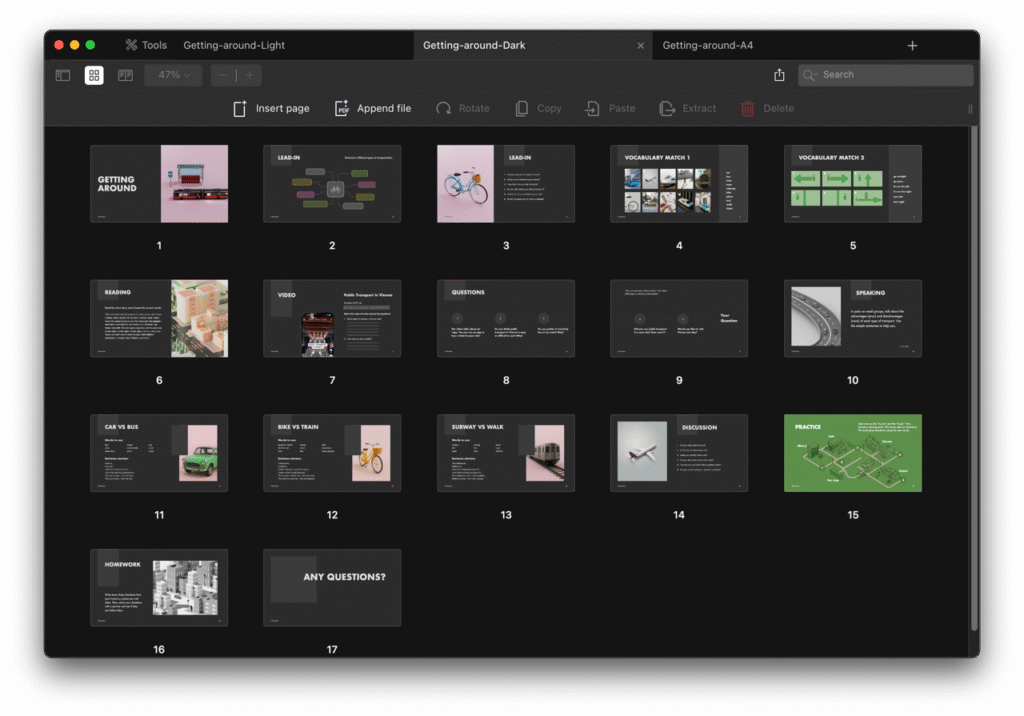
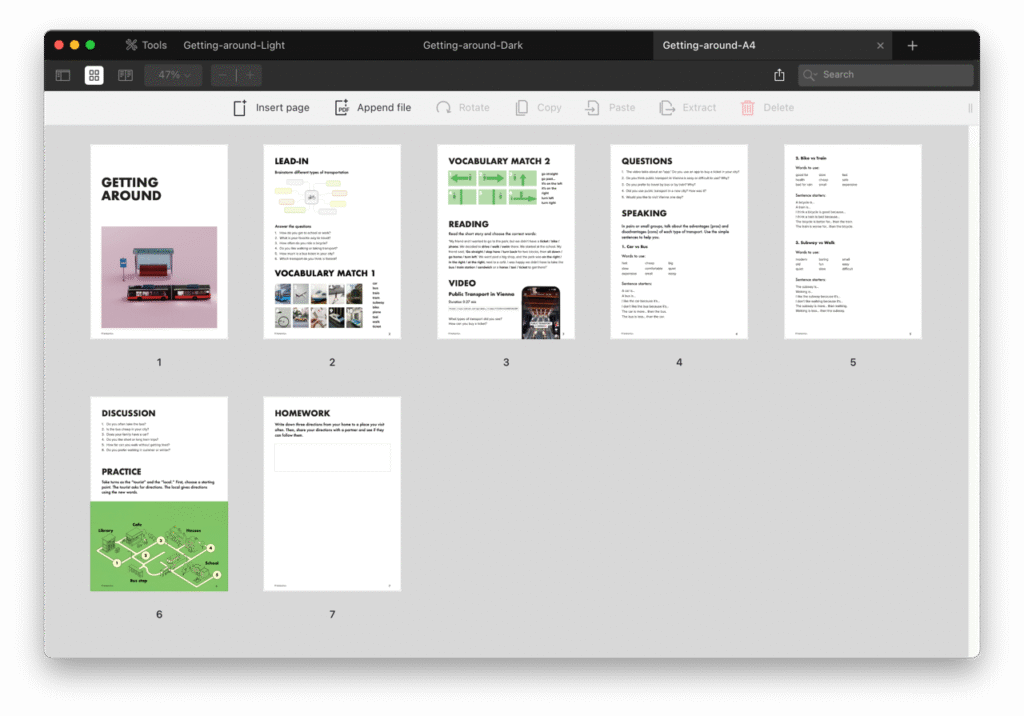
- Lead-in
- Vocabulary match 1
- Vocabulary match 2
- Video
- Comprehension
- Discussion
- Transport Comparison
- Directions Practice
- Homework
Start by brainstorming types of transportation. Write student ideas on the board. Then do the lead-in questions. Keep answers short since this is A2. Question 5 about bus ticket prices gets students using numbers, which is good practice. Move to the vocabulary matching. Students match words to pictures for both transport types and direction phrases. Check answers together and drill pronunciation, especially “subway” and “straight.”
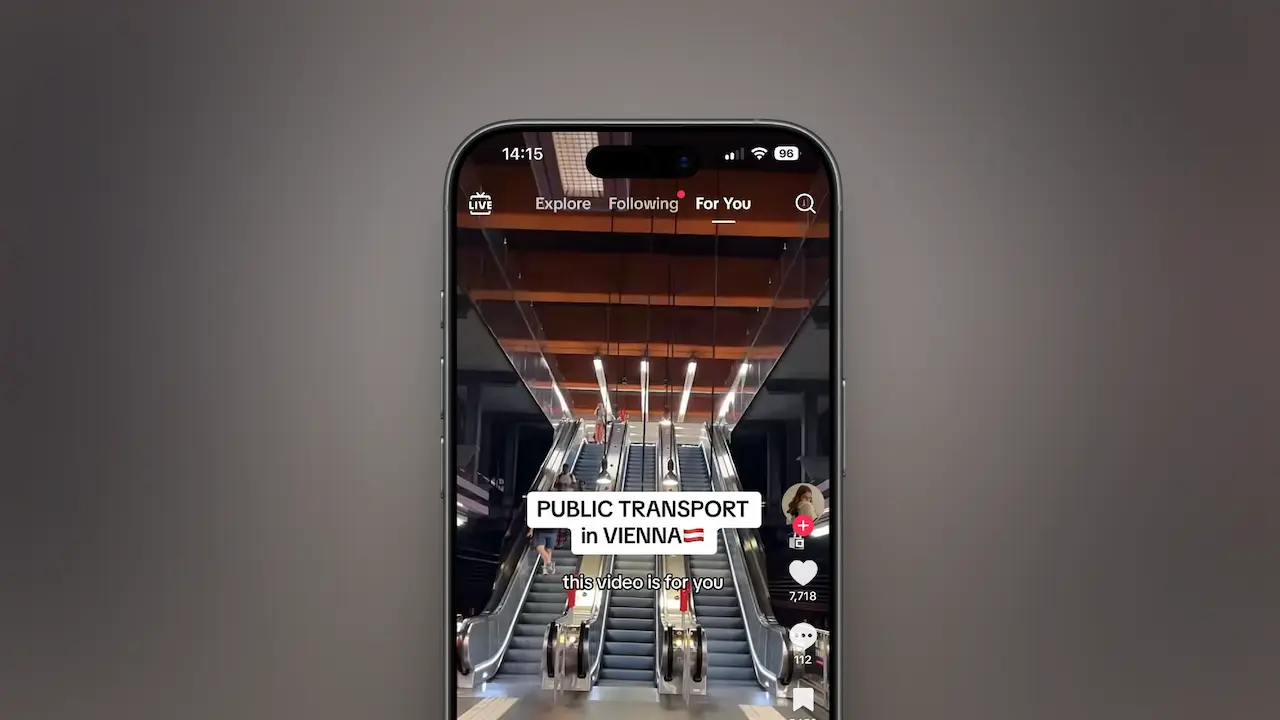
The reading gap-fill has students choose correct words in a short story about going to the park. Do the first sentence together so they understand the task. Then let them work alone or in pairs. After checking answers, have a student read the complete story aloud. The Vienna video is only 27 seconds. Play it twice. Students answer what transport they saw and how to buy tickets. The app question connects to their own experience, which personalizes the content.
The speaking activity compares transport types. Put students in pairs. They discuss car versus bus, bike versus train, or subway versus walk using the word banks and sentence starters. The sentence starters are crucial at A2 because students need that structure. Walk around and listen. Help with pronunciation and grammar but don’t interrupt the flow too much. If a pair finishes early, they can move to a second comparison.
The discussion questions work well after the speaking activity because students are warmed up. Questions 5 and 6 about walking are simpler than the transport questions, so they give quieter students a chance to contribute. End with the map practice. Students take turns being tourist and local. One asks for directions, the other gives them using today’s phrases. Demonstrate first with a strong student so everyone understands the format.