
Do We Still Need Handwriting?
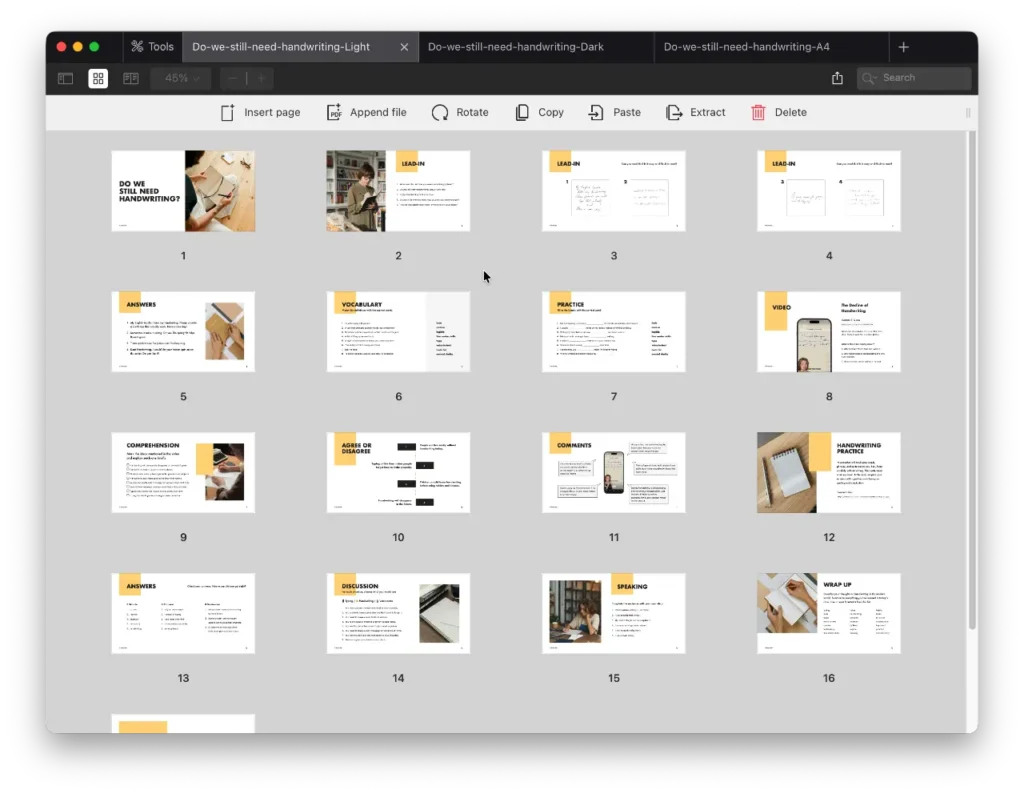
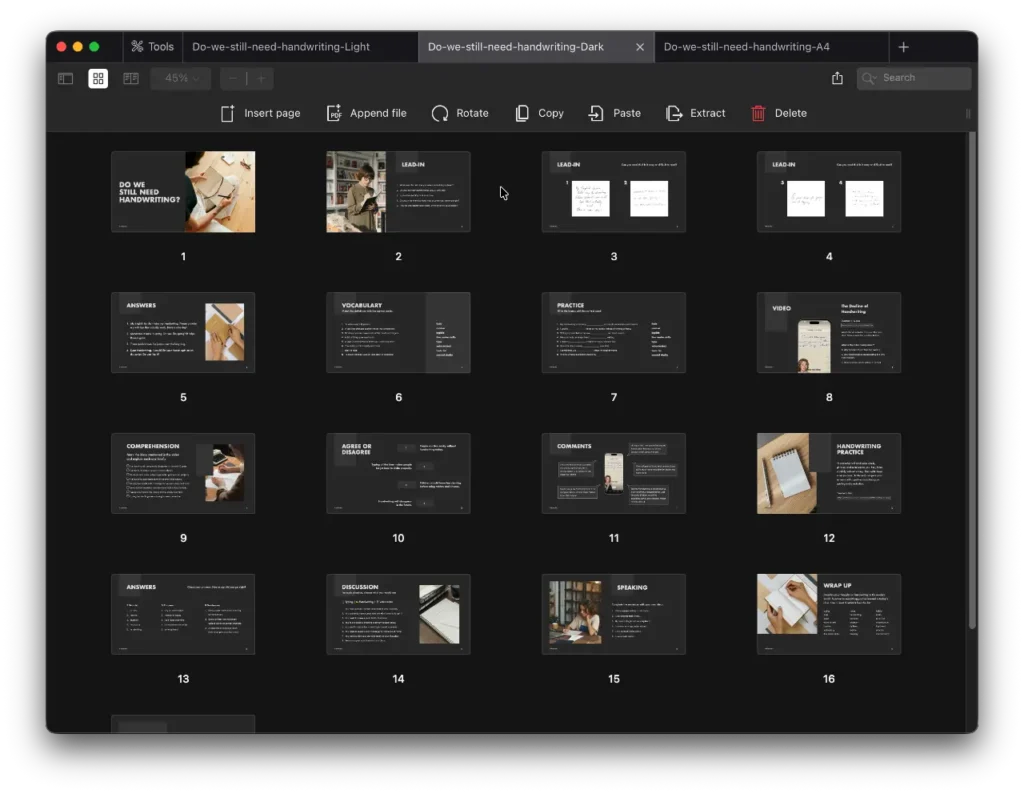
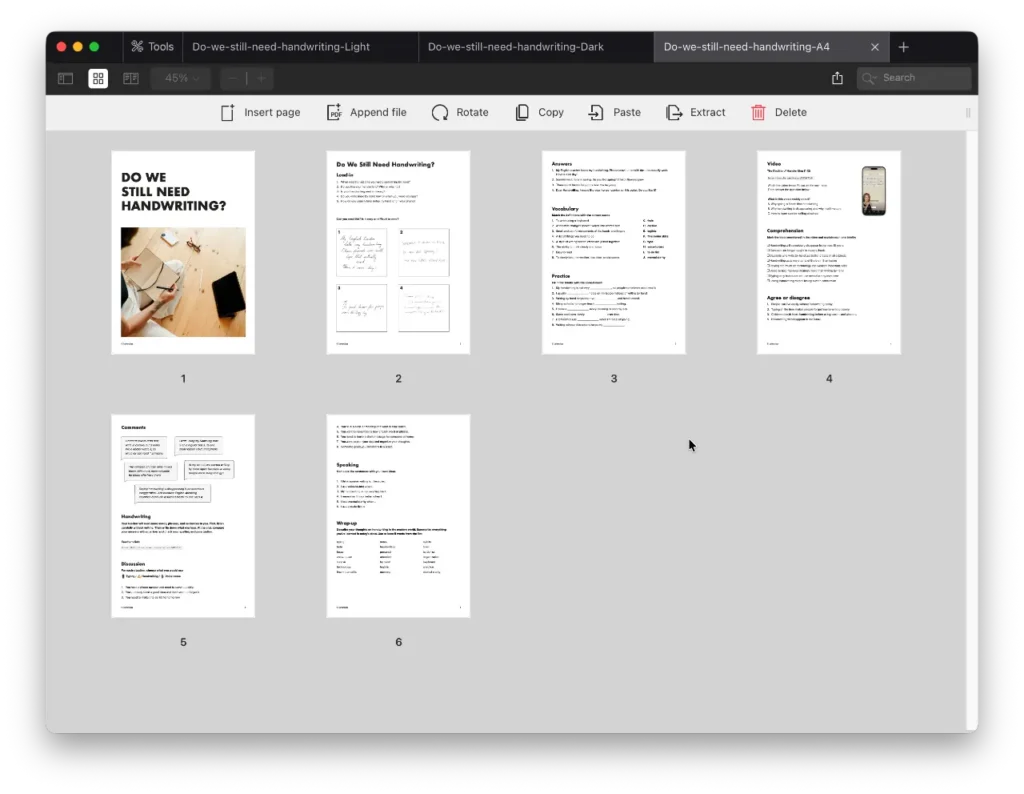
This B1 lesson explores whether handwriting still matters in the digital age. Students learn vocabulary like “cursive,” “legible,” and “mental clarity,” then watch a video about handwriting’s decline and why it remains important. The activities include reading difficult handwriting samples, discussing technology habits, practicing dictation by hand, and comparing typing versus handwriting for different situations.
Lesson overview
- Practice vocabulary related to writing methods, cognitive benefits, and technology dependence
- Watch a short video explaining why handwriting disappears and why brain research suggests it still matters
- Build listening and writing skills through dictation exercises with words, phrases, and sentences
- Discuss personal habits by choosing whether to type, handwrite, or use voice notes in different scenarios
| Level | Vocabulary | Video Length | Lesson Time |
| B1 / Intermediate | 10 words | 1:12 min | 60 min |
Vocabulary
- fade
- cursive
- legible
- fine motor skills
- type
- voice-to-text
- to-do list
- mental clarity
Contents
- Lead-in
- Vocabulary
- Practice
- Video
- Comprehension
- Agree or disagree
- Comments
- Handwriting practice
- Discussion
- Speaking
- Wrap-up
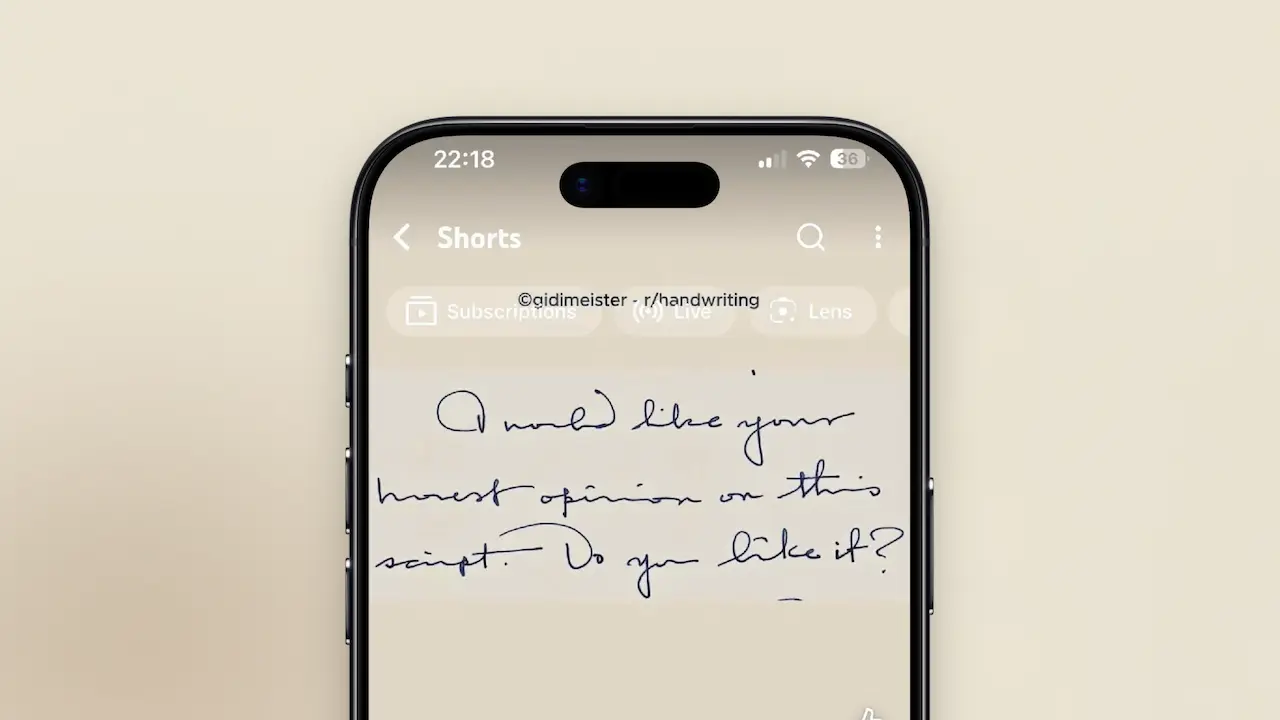
Start with questions about recent handwriting experiences and whether students like their own writing. The handwriting samples on slides 3-4 show difficult cursive and print. Students decode these, then check answers, which demonstrates that not all handwriting is legible.
The vocabulary section teaches eight terms like “cursive” (joined-up writing many schools no longer teach) and “mental clarity” (ability to focus). After matching definitions, students complete practice sentences. The video runs 1:12 minutes covering why cursive isn’t taught anymore, how handwriting activates more brain areas than typing, and why losing it means losing human connection.
The comprehension activity lists eight statements. Students mark which ones appeared in the video and explain each. The agree/disagree section explores whether typing makes people forget how to write and whether handwriting will disappear. Comments show real reactions including a school that returned to handwriting because of ChatGPT cheating.
The dictation activity provides structured practice. Teachers read five words, five phrases, and three sentences. Students listen first, then write what they hear, testing spelling and legibility. They compare with partners and check answers. The discussion presents eight situations like hearing a phone number or getting directions. Students choose typing, handwriting, or voice notes for each, revealing personal habits and creating debate.
