
Deinfluencing Your Daily Choices
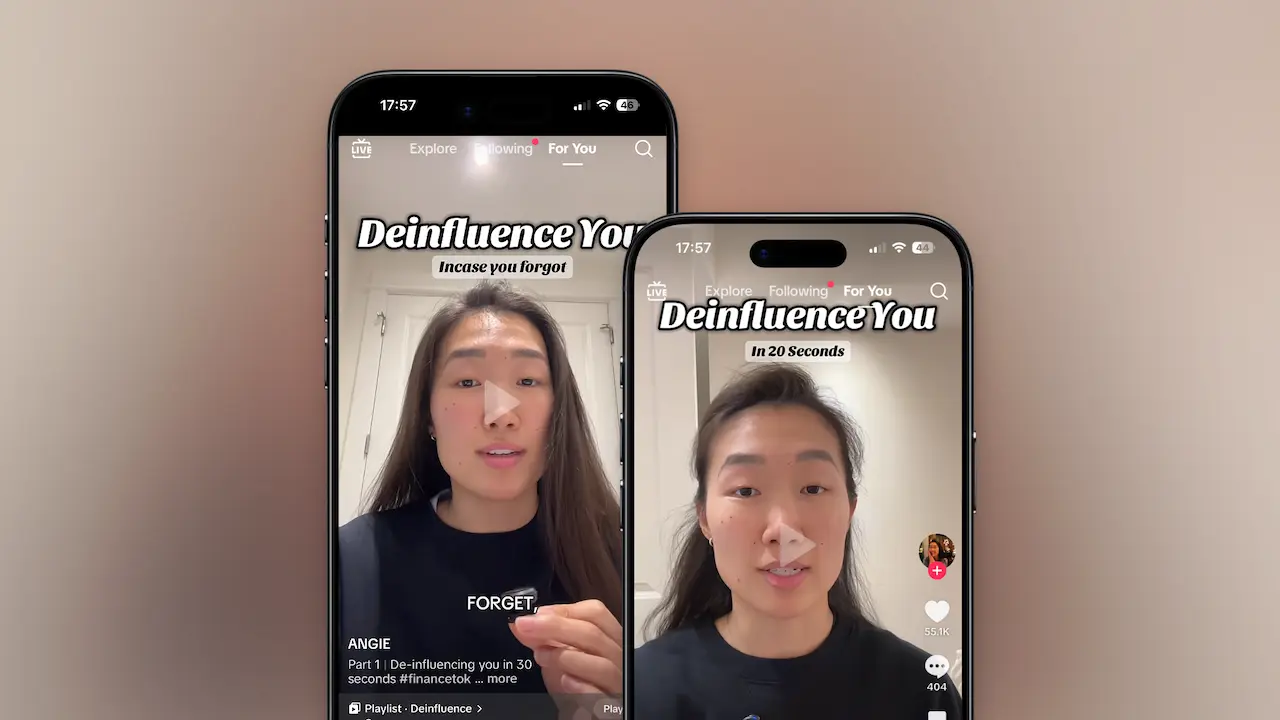
This B1 lesson explores deinfluencing through two short TikTok videos challenging consumer culture. Students learn vocabulary like “afford,” “corporate,” and “wrecked,” then discuss whether using old phones or packing lunch is truly normal. The activities include would-you-rather questions, agree/disagree statements, comment analysis, gap-fill exercises, and researching influencers to evaluate their impact.
Lesson overview
- Practice consumer culture vocabulary including work life, affordability, and luxury goods
- Watch two deinfluencing videos normalizing behavior like using phones until broken and staying home on weekends
- Discuss social media pressure to buy new things and whether deinfluencing changes shopping habits
- Build research skills by analyzing an influencer’s platform, promoted lifestyle, and positive or negative impact
| Level | Vocabulary | Video Length | Lesson Time |
| B1 / Intermediate | 8 words | 0:28, 0:22 min | 60 min |


Vocabulary
- wrecked
- decade
- 9 to 5
- afford
- deinfluence
- corporate
- purpose
- designer things
Contents
- Would you rather
- Lead-in
- Vocabulary matching
- Video 1
- Video 2
- Comments
- Comprehension
- Questions
- Practice
- Speaking
- Quote
- Homework
Start with would-you-rather questions comparing quality versus quantity and saving versus spending. The lead-in questions introduce influencing by asking for examples of how people encourage buying and whether influencer income affects recommendations.
The vocabulary section teaches eight terms including “deinfluence” (encouraging people not to buy unnecessary products) and “9 to 5” (standard office hours). The first video runs 28 seconds listing “normal” behaviors: using phones until wrecked, driving cars for a decade, packing lunch, reusing decorations, and saying no to unaffordable plans. Students answer what examples appear and whether they agree.
The second video runs 22 seconds with similar themes: using school backpacks for work, owning one pair of sneakers, having no designer things, walking instead of Ubering, and staying home on weekends. Students complete agree/disagree statements for each point. The comments activity sends them to read real TikTok comments, choose two interesting ones, and share opinions.
The comprehension section provides scripts with ten blanks. Students listen again and fill missing words like “wrecked,” “decade,” “afford,” and “designer.” Discussion questions explore social media pressure to buy things and whether deinfluencing changes habits. Practice exercises match vocabulary with collocations like “wrecked boat” and “designer bag.”
The speaking activity asks students to choose three behaviors to normalize from a list including making coffee at home or borrowing library books. For homework, students research one influencer, noting platform, promoted products, follower count, and whether their influence seems positive or negative.
