Culture Shock

This B1 lesson explores culture shock through three short videos from Ukraine, Korea, and Germany. Students learn vocabulary like “stare,” “twist,” and “proper,” then discover surprising cultural differences including bagged milk, stranger friendliness, and attached bottle caps. The activities include true/false comprehension, dialogue gap-fills, collocation practice, and responding to awkward cross-cultural scenarios.
Lesson overview
- Practice vocabulary related to cultural norms, unexpected behaviors, and social customs
- Watch three videos showing real culture shock experiences from different countries
- Build listening skills by completing dialogues and identifying what surprised each speaker
- Develop cultural awareness by discussing directness, misunderstandings, and adaptation strategies
| Level | Vocabulary | Video Length | Lesson Time |
| B1 / Intermediate | 8 words | 0:19, 1:11, 1:04 min | 60 min |
Vocabulary
- Environment
- Proper
- Weird
- To trick
- To twist
- Cap
- Speed sign
- To stare
Contents
- Lead-in
- Vocabulary preview
- Definitions
- Video 1
- Questions
- Video 2
- True or false
- Video 3
- Dialogues
- Comprehension
- Discussion
- Scenarios
- Wrap up
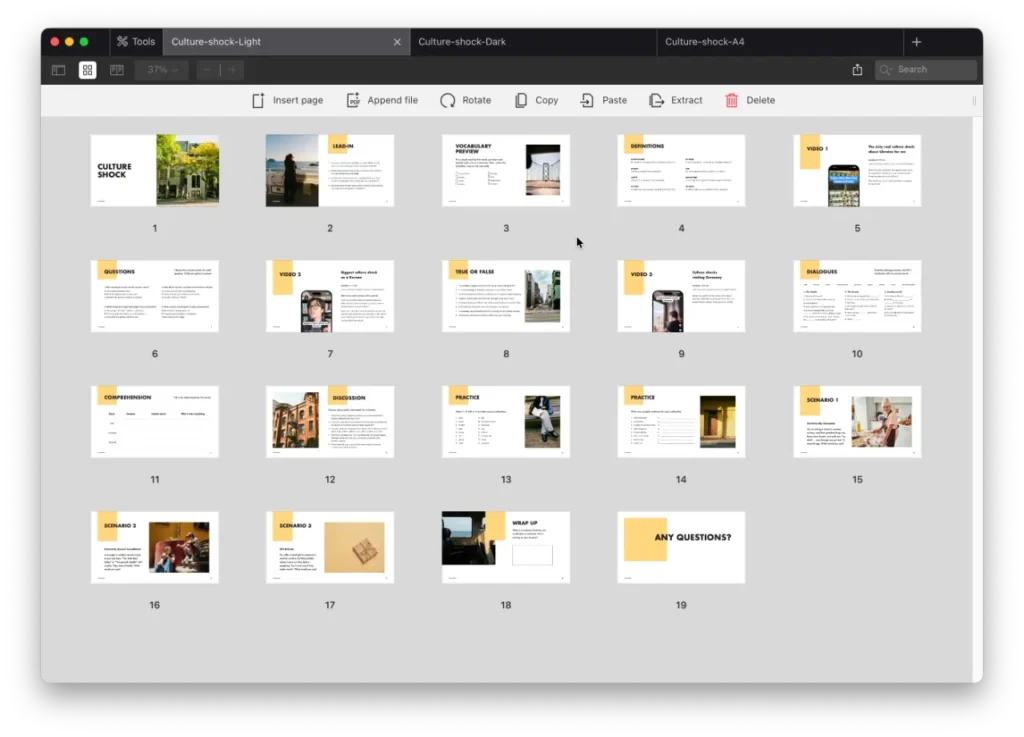
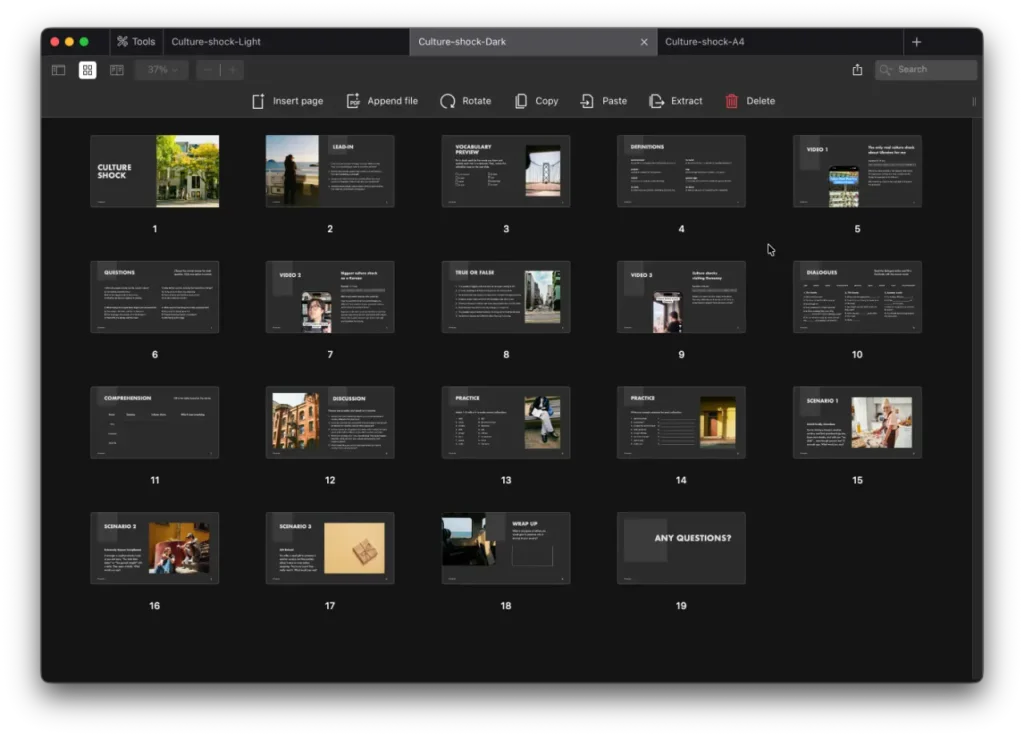
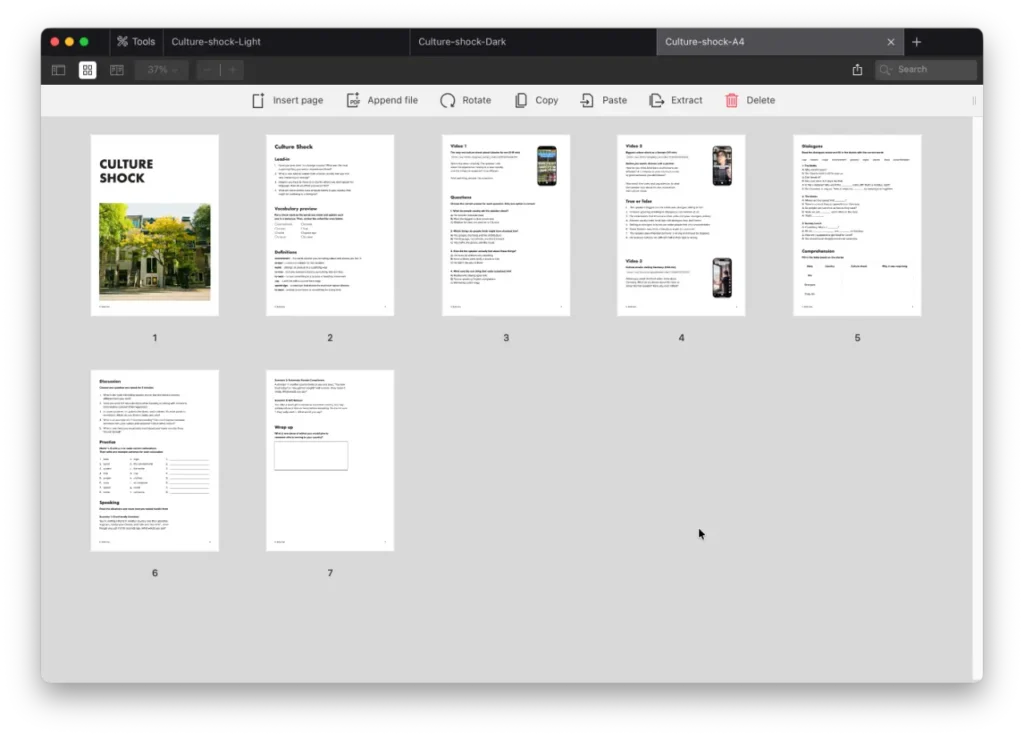
Start with the lead-in questions about foreign travel and confusing customs. B1 students can share basic experiences and imagine how they’d feel not speaking the local language. These questions activate prior knowledge before the vocabulary work begins. The vocabulary preview introduces eight useful words that appear across all three videos.
The first video runs only 19 seconds and shows someone in Ukraine surprised that milk comes in bags instead of bottles or cartons. Students answer multiple-choice questions testing whether they caught the main point: people expected him to experience major culture shock, but only the milk packaging truly surprised him. This short format keeps energy high and shows that culture shock often involves small, unexpected details.
The second video runs 1:11 minutes and explores Korean versus American greeting customs. A Korean speaker explains how Americans smile and greet strangers frequently, which makes many Koreans uncomfortable since they interpret friendliness from strangers as potentially suspicious. Before watching, ask students whether greeting strangers is common in their culture. The true/false activity tests comprehension and whether students understood his conclusion that cultures are different, not right or wrong.
The third video covers German culture shocks in just over one minute. Students fill dialogue gaps about bottle caps staying attached for environmental reasons, autobahns with no speed limits, and grocery stores closing on Sundays. These practical details surprise many visitors. After all three videos, students complete the comparison table showing what shocked each speaker and why.
The collocation matching on slide 13 teaches useful word pairs like “twist the ankle,” “protect the environment,” and “bottle cap.” After matching, students write example sentences using each collocation, which reinforces both meaning and natural usage patterns.
The three scenario activities add interactive fun. Students respond to situations like an overfriendly grandma who hugs strangers, someone giving brutally honest compliments, or gift refusal customs. B1 learners can handle these role-play moments with guidance, and the scenarios recycle vocabulary while building cross-cultural communication skills.