
Clothing for Hot Climates
This C1 lesson explores how different cultures design clothing for extreme heat. Students watch a video about traditional garments from the Arabian Peninsula, Japan, and India, then discuss fabric technology, airflow, and cultural identity. The lesson includes advanced vocabulary like “counterintuitive,” “labor intensive,” and “drape,” plus research and presentation tasks.
Lesson overview
- Learn vocabulary for discussing traditional clothing design including fiber, weave, garment, and millennia
- Watch a video explaining how Bedouin robes, kimonos, and saris use airflow and fabric choice for cooling
- Practice combining simple sentences into complex descriptive statements using target vocabulary
- Research and present how people in specific situations handle extreme heat through clothing choices
| Level | Vocabulary | Video Length | Lesson Time |
| C1 / Advanced | 10 words | 2:58 min | 60 min |
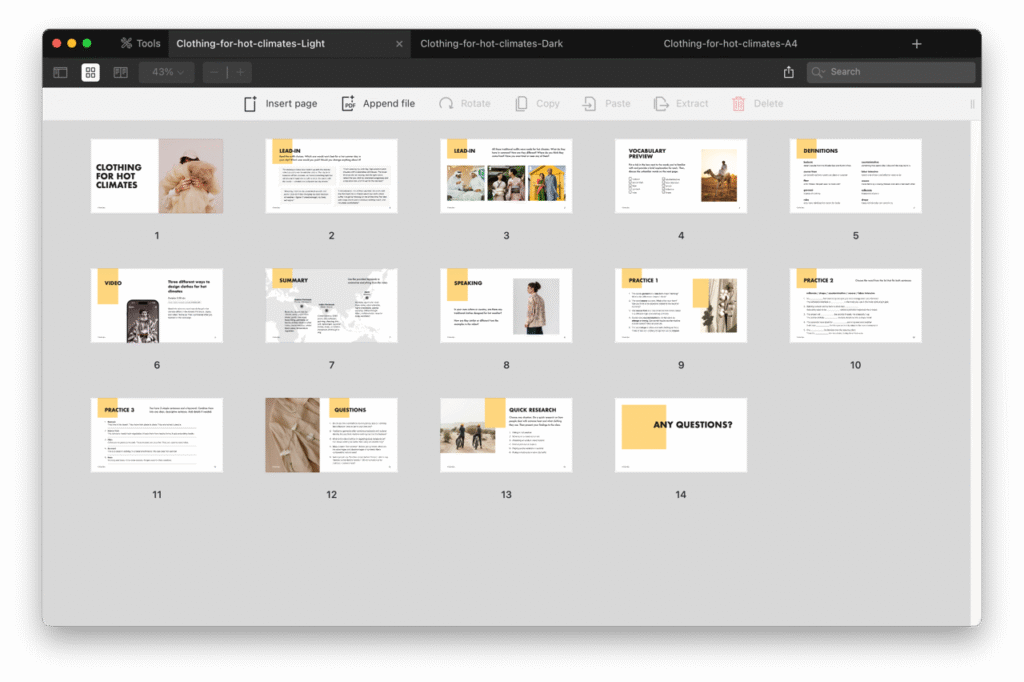
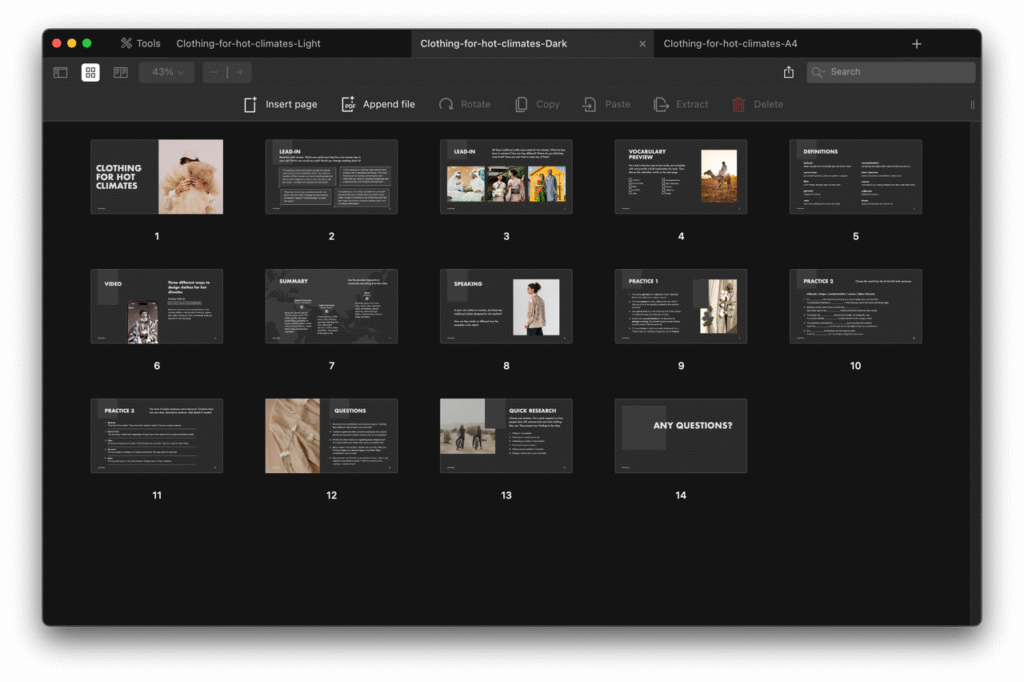
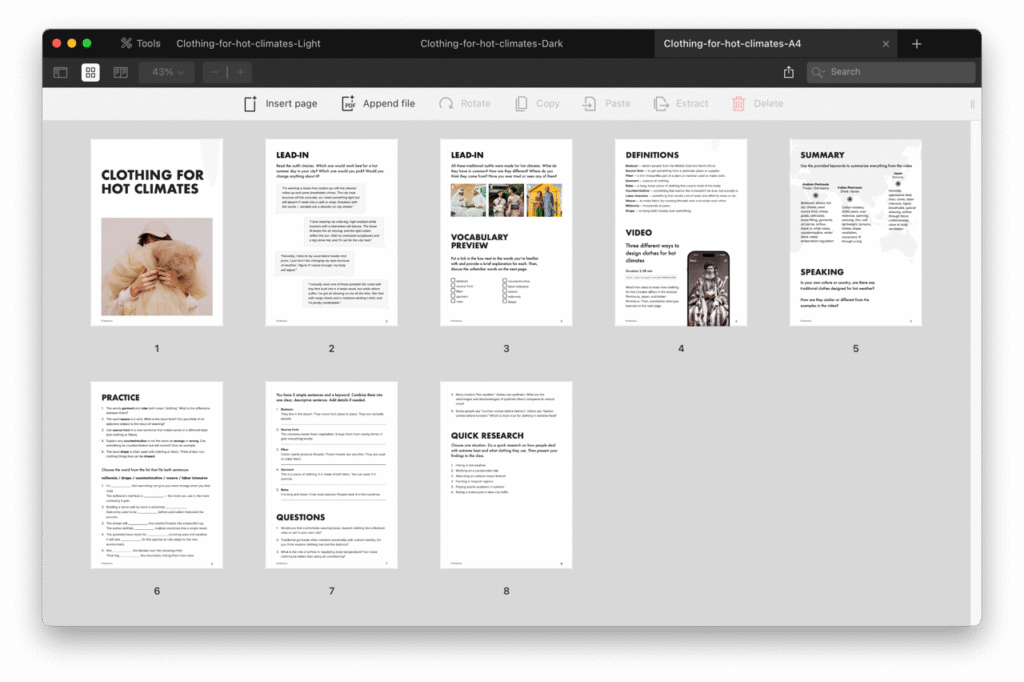
Vocabulary
- bedouin
- source from
- fiber
- garment
- robe
- counterintuitive
- labor intensive
- weave
- millennia
- drape
Contents
- Lead-in 1
Lead-in 2 - Vocabulary preview
- Definitions
- Video
- Summary
- Speaking
- Practice 1
Practice 2
Practice 3 - Questions
- Quick research
Start with the lead-in outfit choices. Students read four different approaches to dressing for city heat and pick which works best. This gets them thinking about practical versus personal style. Then show the images of traditional garments. Ask what they have in common before revealing they’re all designed for hot climates. Students often notice the loose fit and light colors but miss details like fabric type or layering.
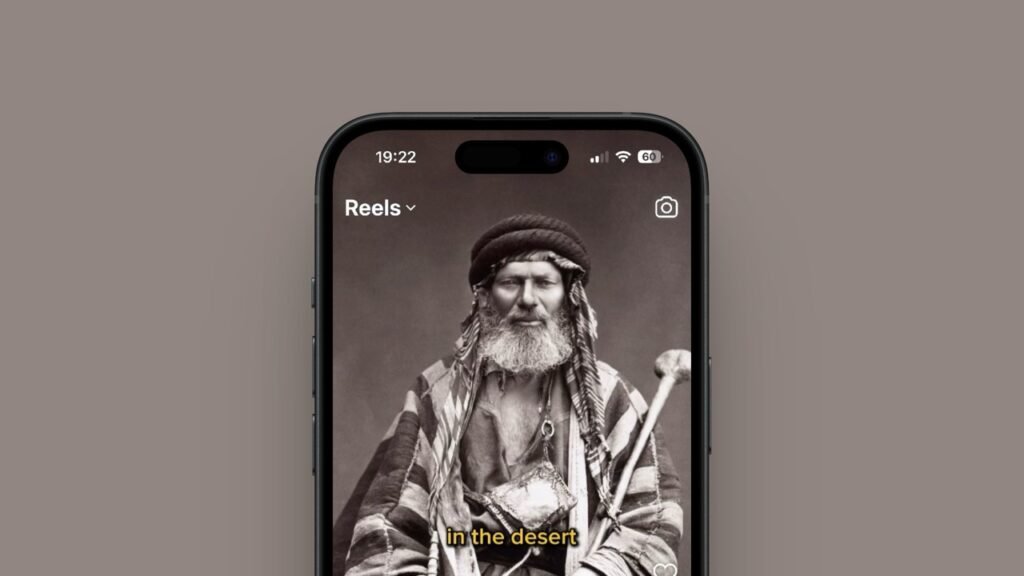
Move to the vocabulary preview. Students tick words they know and explain them briefly. Don’t spend too long here. The unfamiliar words get defined on the next page anyway. Then play the video. It’s under three minutes but packed with information about cotton weaving in India, ramie and linen in Japan, and wool robes in Arabia. The counterintuitive part about black wool robes usually surprises students. After watching, students use the keyword lists to summarize each section. This forces them to reconstruct the content rather than just remember random facts.
The speaking question about their own culture works well in pairs or small groups. Some students will have traditional heat-adapted clothing to describe, others won’t. Both responses are fine. The key is using today’s vocabulary to make comparisons. Practice 1 pushes students to think about word relationships and usage. Don’t rush this. The questions require explanation, not just one-word answers. Practice 2 is more straightforward but reinforces the vocabulary. Practice 3 is harder. Students combine three simple sentences into one complex sentence using the keyword. Model the first one together if needed.
The discussion questions work best after all the practice. Students should feel confident with the vocabulary by now. Questions 2 and 5 about fashion versus function often create good debate. End with the quick research task. Students pick a situation, spend five minutes searching on their phones, then share findings. This keeps energy high and adds real-world examples beyond the traditional garments from the video.
