Cleaning My Home
Lesson overview
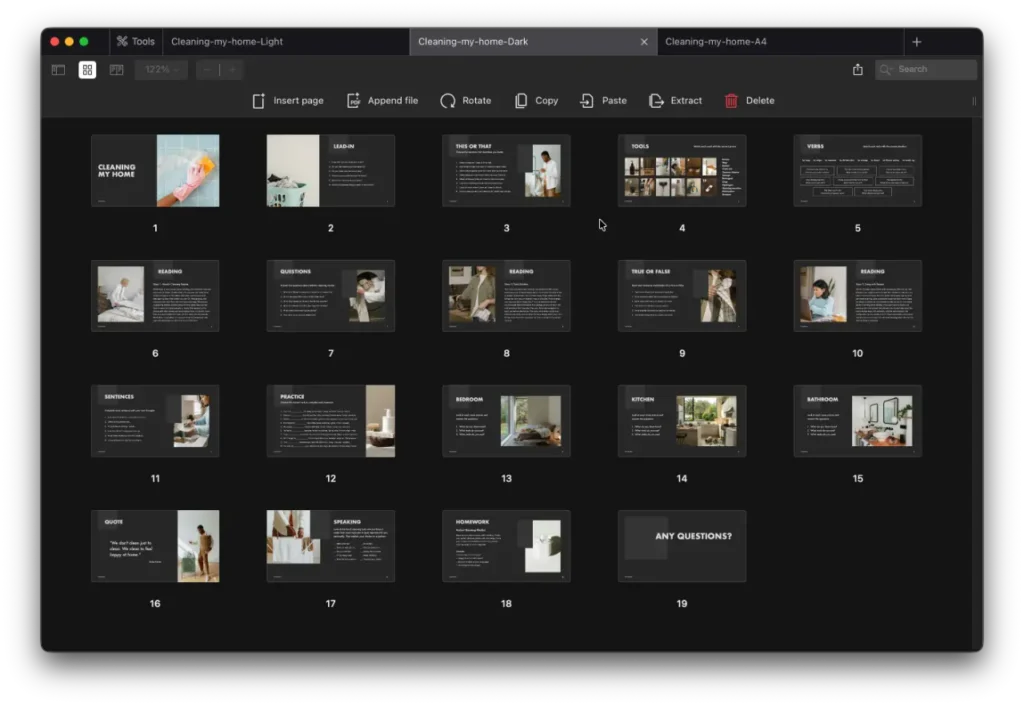
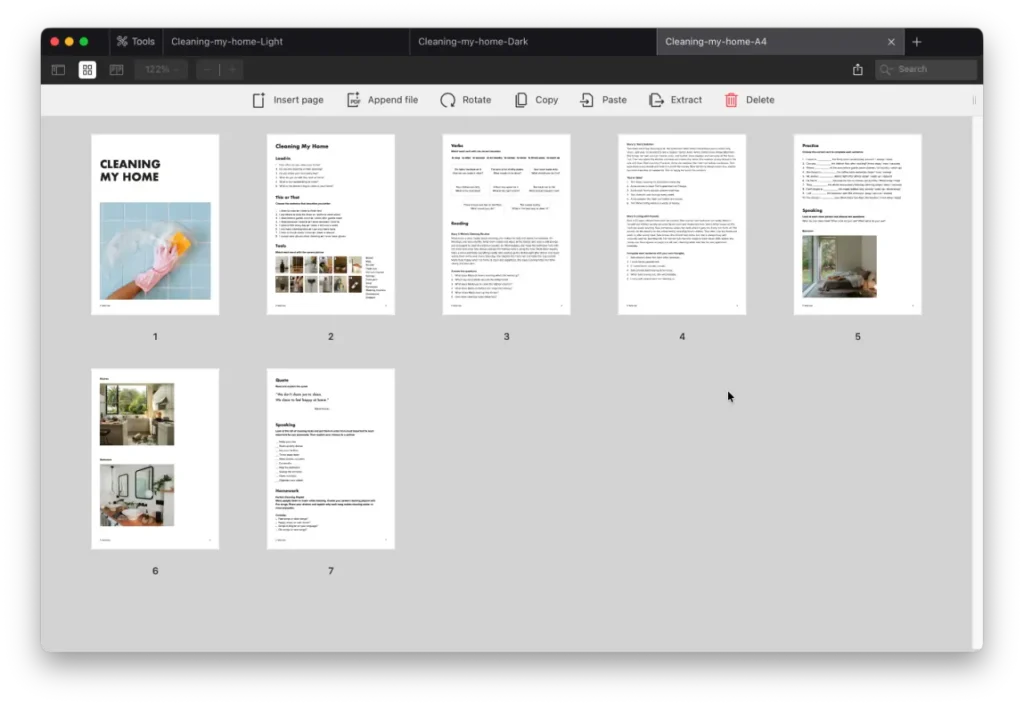
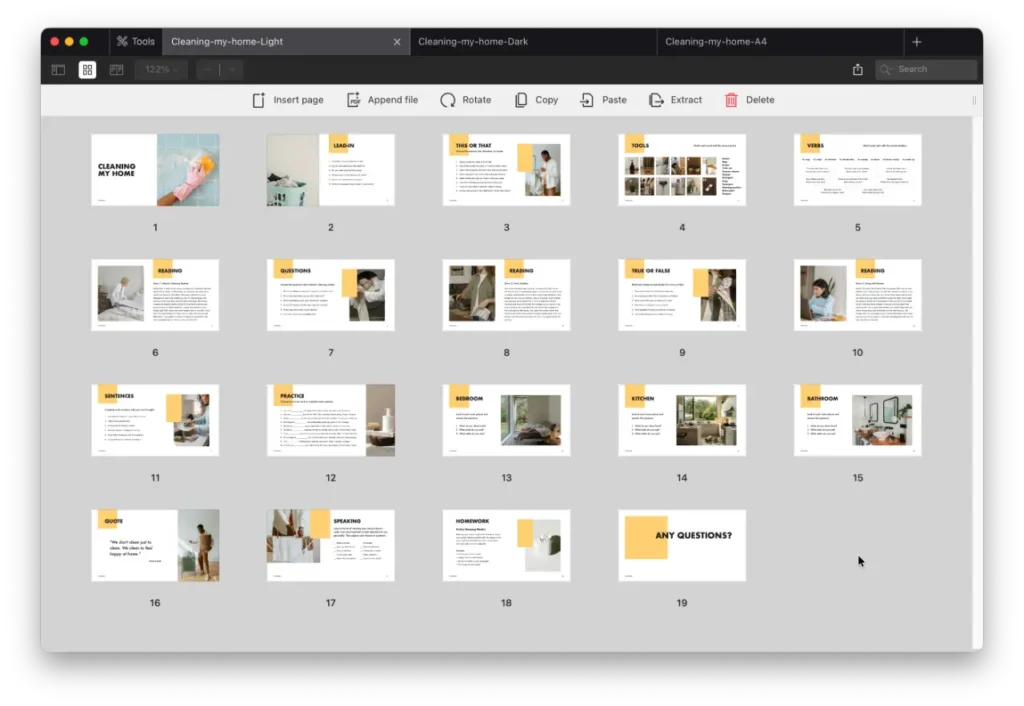
This A2 lesson plan teaches essential vocabulary for talking about home cleaning through realistic stories and engaging activities. Students learn 12 cleaning tools like mop, vacuum cleaner, sponge, and trash can, plus 8 important verbs including sweep, wipe, do laundry, and wash up. The lesson features three readings about people with different cleaning routines, from someone who loves keeping a spotless home to someone who hires help to someone who lives with parents. Through picture analysis, vocabulary practice, and personalized speaking tasks, A2 learners develop the language they need to describe household tasks and discuss their own approaches to keeping their living spaces clean and organized.
| Level | Vocabulary | Lesson Time |
| A2 / Pre-Intermediate | 20 words | 60 min |


Vocabulary
- Broom
- Mop
- Bucket
- Trash can
- Vacuum cleaner
- Sponge
- Detergent
- Soap
- Squeegee
- Washing machine
- Dishwasher
- Dustpan
- to mop
- to wipe
- to vacuum
- to do laundry
- to sweep
- to clean
- to throw away
- to wash up
Contents
- Lead-in
- This or that
- Tools
- Verbs
- Reading 1
- Questions
- Reading 2
- True or false
- Reading 3
- Sentences
- Practice
- Pictures
- Quote
- Speaking
- Homework
Teaching guide
Lead-in, This or that
The lesson starts with six conversational questions that get A2 students talking about their real cleaning habits at home. Questions like “How often do you clean your home?” and “Do you make your bed every day?” help learners feel comfortable discussing household routines in English while activating vocabulary they already know. This ESL warm-up naturally leads into the “This or That” activity, where students choose between paired statements about cleaning preferences. With 10 choices like “I clean to relax or I clean to finish fast” and “I listen to music when I clean or I clean in silence,” this A2 lesson plan section encourages students to reflect on their personal approach to home cleaning. The activity works beautifully because it requires minimal language production at first, just choosing one option, but then opens up into richer discussions as students explain their choices to partners and discover different attitudes toward household tasks and cleaning routines.
Tools, Verbs
This section introduces the core vocabulary for the A2 cleaning lesson through two focused matching activities. First, students match 12 cleaning tools with numbered pictures, learning essential words like broom, mop, bucket, trash can, vacuum cleaner, sponge, detergent, soap, squeegee, washing machine, dishwasher, and dustpan. The visual component helps A2 learners connect English words with objects they use at home, making the vocabulary immediately practical and memorable. Next comes the verbs activity, where students match eight cleaning actions with real situations. Instead of just memorizing that “mop” means to clean, students see “A floor has water on it. What is the right action?” and connect it with “to mop.” This ESL lesson plan approach teaches the cleaning verbs (to mop, to wipe, to vacuum, to do laundry, to sweep, to clean, to throw away, to wash up) in meaningful contexts, so A2 students understand not just what the words mean but exactly when and how to use them in conversations about household routines.
Reading 1, Questions
The first reading text presents Maria, who follows a detailed weekly cleaning routine at home. This 150-word A2 level story naturally incorporates the lesson vocabulary as it describes how Maria makes her bed every morning, vacuums on Mondays, uses a sponge and detergent to clean the kitchen counter, mops the bathroom floor on Wednesdays, does laundry twice a week, and washes up dishes immediately after dinner. The text uses simple present tense and straightforward sentence structures appropriate for A2 ESL learners, while painting a clear picture of someone who genuinely enjoys keeping a clean home. After reading about Maria’s cleaning habits, students answer six comprehension questions that check their understanding while reinforcing the cleaning vocabulary. Questions like “What does Maria use to clean the kitchen counter?” and “What does Maria do before she mops the hallway?” require students to scan for specific details about cleaning tools and the sequence of household tasks, helping them practice reading skills while becoming more familiar with how native speakers talk about home cleaning routines.
Reading 2, True or false
The second reading introduces Tom, who represents a completely different approach to home cleaning. Unlike Maria, Tom doesn’t enjoy cleaning at all and hired a professional cleaner named Anna who comes every Friday. This A2 lesson plan text recycles the cleaning vocabulary naturally as it describes Anna’s routine: she brings her vacuum cleaner, mop, and bucket, then sweeps and vacuums the floors, wipes the kitchen counters, washes up dishes, does Tom’s laundry, and empties the trash can. The story validates that not everyone loves household tasks and shows students that there are different solutions for maintaining a clean home. After reading, students work through six true or false statements like “Anna comes to clean Tom’s apartment on Fridays” and “Tom thinks hiring Anna is a waste of money.” This comprehension format works perfectly for A2 ESL learners because it doesn’t require producing complex answers, just careful reading and understanding. The activity naturally leads to discussions about whether hiring help is common in students’ countries and different cultural attitudes toward cleaning routines.
Reading 3, Sentences
The third reading features Sara, a 22-year-old university student who lives with her parents and rarely cleans her own room. This A2 text presents yet another realistic perspective on home cleaning, showing how Sara’s mother vacuums her room and makes her bed, her father takes out the trash can, and her parents do the laundry and wash up after meals. The story acknowledges Sara knows she should help more but is busy with university and work, creating a situation many young adult ESL students might relate to personally. Instead of traditional comprehension questions, this reading is followed by six sentence starters that students complete with their own thoughts: “Sara doesn’t clean her room often because…” and “If I were Sara’s mother, I would…” This open-ended activity encourages A2 learners to express opinions about cleaning responsibilities while naturally using the lesson vocabulary in personalized contexts. Students practice giving advice, making predictions, and discussing family dynamics around household tasks, all while reinforcing the cleaning terms and verbs they learned earlier in the lesson plan.
Practice
This section offers a single focused vocabulary activity where A2 students choose the correct cleaning verb from three options to complete each sentence. The 10 sentences present realistic home situations like “I need to _ the living room carpet today” with choices (vacuum / sweep / wipe), requiring students to think about which cleaning action matches which household task. This ESL practice activity strategically recycles all eight verbs from the lesson (mop, wipe, vacuum, do laundry, sweep, clean, throw away, wash up) in natural contexts that A2 learners might actually say at home. The multiple-choice format provides scaffolding while still requiring genuine understanding, not just guessing. Sentences reference different cleaning scenarios throughout the home, from the bedroom carpet to the kitchen floor to dirty dishes, helping students see how the vocabulary works across various household situations. This controlled practice prepares A2 students for the more open production activities that follow, where they’ll need to use these cleaning verbs and tools spontaneously when describing rooms and discussing their own routines.
Pictures
This visual activity uses three photographs showing a bedroom, kitchen, and bathroom, with students answering the same three questions for each room: “What do you clean here?”, “What tools do you use?”, and “What verbs do you use?” The bedroom image shows an unmade bed with items scattered around, prompting A2 students to talk about making the bed, vacuuming the floor, and wiping surfaces. The kitchen photo displays dirty dishes, messy counters, and a broken plant pot on the floor, encouraging discussions about washing up, sweeping, wiping, and throwing away trash. The bathroom picture features two sinks, mirrors, and a counter that need attention, leading to conversations about wiping, cleaning, and mopping. This ESL lesson plan activity brilliantly connects the abstract cleaning vocabulary students learned earlier to concrete visual contexts they recognize from their own homes. For A2 learners, seeing the actual mess and naming what needs cleaning, which tools would help, and which verbs describe the actions solidifies their understanding and makes the vocabulary genuinely usable in real-life situations about household routines.
Quote
Students encounter a simplified Marie Kondo quote: “We don’t clean just to clean. We clean to feel happy at home.” This reflective moment in the A2 lesson plan shifts from practical vocabulary drilling to discussing the deeper purpose behind household tasks and cleaning routines. Students explain the quote in their own words, considering how a clean home environment affects emotions, comfort, and daily life. This ESL activity gives A2 learners a chance to express more abstract ideas using simple language while connecting the lesson’s cleaning vocabulary to broader concepts about wellbeing and personal values. The discussion naturally encourages students to share whether they agree that cleaning creates happiness, how they feel in messy versus organized spaces, and whether the goal of household work goes beyond just removing dirt. This quote analysis adds meaningful depth to the lesson plan, transforming it from pure vocabulary memorization into a more thoughtful exploration of why people invest time in home cleaning and how our living environment influences how we feel throughout the day.
Speaking
The speaking section presents a prioritization activity where A2 students rank 10 cleaning tasks from most to least important personally. The list includes make your bed, wash up dirty dishes, vacuum the floor, throw away trash, wipe kitchen counters, do laundry, mop the bathroom, sweep the entrance, clean windows, and organize your closet. Students number these household tasks based on their own values and priorities, then explain their reasoning to a partner. This ESL activity works wonderfully because it creates genuine communication, there’s no single correct answer, so students must actually listen to each other and respond to real differences in opinion. A2 learners naturally recycle the cleaning vocabulary while discussing why they prioritized certain tasks over others, perhaps explaining “I think washing up dishes is most important because I hate dirty kitchens” or “I never clean windows because nobody looks at them.” The activity reveals interesting cultural and personal differences in approaches to home cleaning routines, leading to authentic conversations where students compare habits, debate priorities, and discover that people have surprisingly different ideas about which household tasks matter most.
Homework
The homework assignment asks students to create their perfect cleaning playlist with five songs, then explain why each song makes home cleaning easier or more enjoyable. Students consider whether they prefer fast or slow songs, happy or calm music, songs in English or their own language, and old or new tracks for their household routine soundtrack. This creative ESL homework assignment prioritizes speaking practice over writing, as students prepare to share their playlist choices with classmates and explain their reasoning. The task connects the A2 lesson plan vocabulary about cleaning to students’ personal interests in music, making the homework feel less like traditional language practice and more like sharing something meaningful about themselves. When students present their playlists, they’ll naturally discuss their home cleaning habits, explaining “I chose this song because I listen to it when I mop the bathroom” or “This makes me clean faster because it’s very energetic.” The activity extension questions encourage deeper thinking about how music affects our approach to household tasks, turning a vocabulary lesson about cleaning tools and verbs into a broader discussion about the strategies people use to make routine chores more pleasant.