
City Life: Stories & Experiences
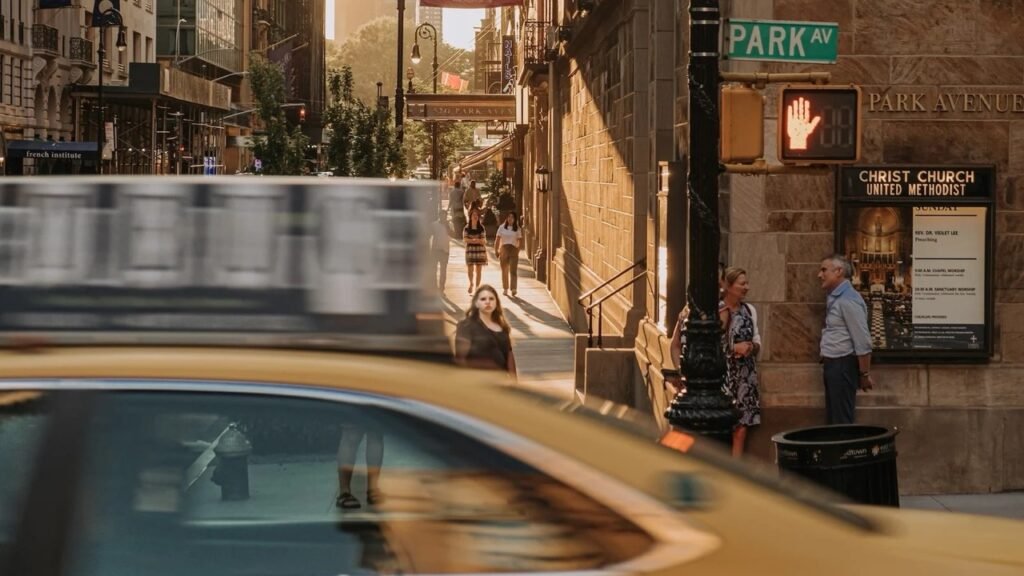
This intermediate B1 lesson takes students on a journey through diverse city neighborhoods and urban experiences. Learners explore three contrasting cities through personal stories while building essential vocabulary for describing urban environments. The lesson includes reading passages about Chicago, Hong Kong, and Copenhagen, vocabulary matching activities with city-related terms, and engaging discussion tasks about city life advantages and challenges. Designed for intermediate students ready to express detailed opinions about urban living.
Lesson overview
- Practice vocabulary for describing city neighborhoods, buildings, and urban features
- Develop reading fluency through personal stories from three different cities
- Discuss advantages and disadvantages of urban living and city problems
- Explore creative expression by designing fictional cities using new vocabulary
| Level | Vocabulary | Lesson Time |
| B1 / Intermediate | 8 phrases | 60 min |
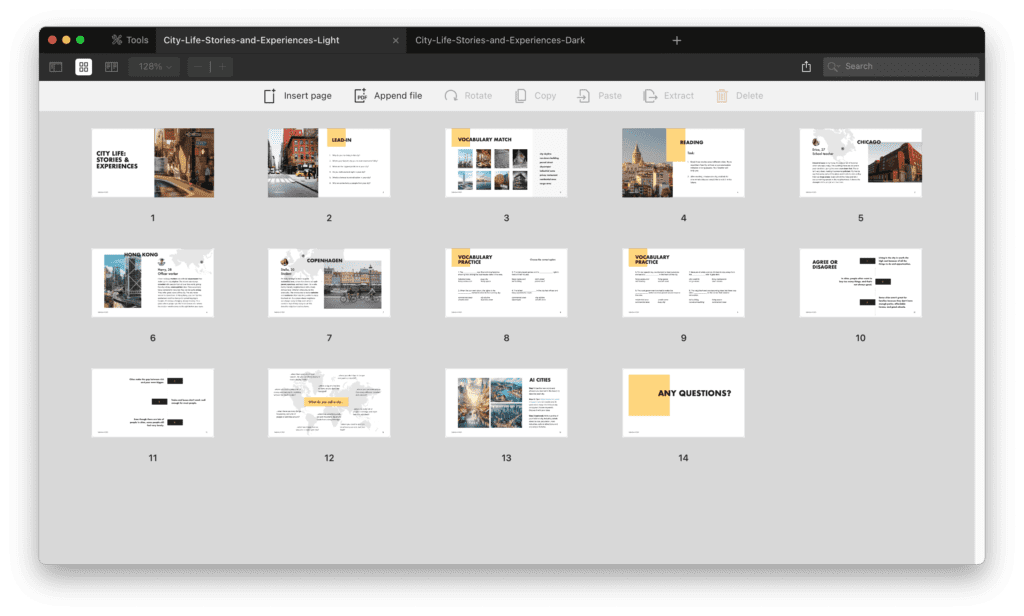
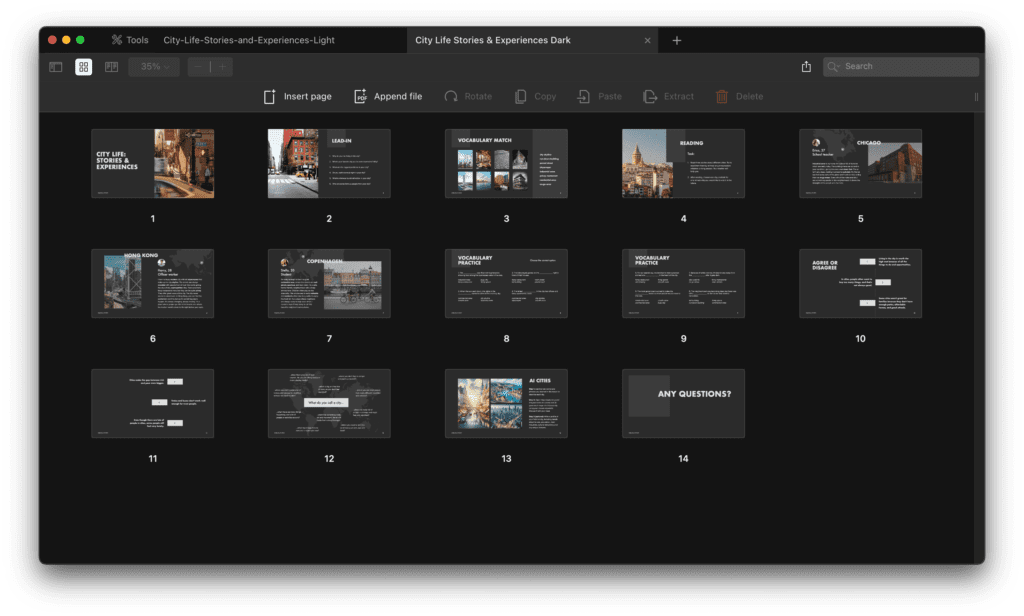
Vocabulary
- Industrial zone
- City skyline
- Paved street
- Skyscraper
- Pricey restaurant
- Residential area
- No-go area
- Run-down building
- Diverse
- Modern
- Crowded
- Historic
- Lively
- Cosmopolitan
- Noisy
- Polluted
- Expensive
- Safe
- Walkable
- Affordable
- Clean
- Spacious
Contents
- Lead-in
- Vocabulary match
- Reading
- Vocabulary practice
- Agree / Disagree
- What do you call a city…?
- AI cities
Start with the warm-up questions on page 2 to get students talking about their own cities and travel experiences. This pulls out vocab they already know and gets them comfortable with the topic. Spend about 5 minutes here and let them share without jumping on every little error.
Move to the vocab matching activity on page 3. Students connect words like “run-down building” and “pricey restaurant” with images. Go through answers as a class and drill pronunciation on tricky phrases like “cosmopolitan” and “residential area.” Figure around 8-10 minutes for this.
The reading section on pages 4-7 is the heart of the lesson. Have students read silently first, then practice reading aloud in pairs for fluency. The three stories from Chicago, Hong Kong, and Copenhagen show different city experiences using the new vocab in context. After reading, students pick one city and explain why they’d want to visit it. This practices speaking and giving opinions for about 10 minutes.
Pages 8-9 have vocab practice exercises where students choose the right word to complete sentences. This locks in the lesson vocabulary and works solo or in pairs. The agree/disagree statements on pages 10-11 are great as a whole-class discussion or debate. Students take positions on stuff like city costs, consumerism, and public transportation. Push them to give reasons and examples.
If you’ve got time, finish with the AI Cities project on page 13. Students use the lesson vocab to describe fictional cities, then create an image using AI tools. This creative task lets them play around with the new language in a fun way that actually sticks.
