
Building a Positive Corporate Culture
This B2 lesson looks at what makes corporate culture actually work, using Netflix as the main example. Students watch a video of Reed Hastings sharing his top five lessons as CEO, learn vocabulary like “candor,” “expense policy,” and “open disagreement,” and debate whether companies should drop traditional rules entirely. It’s a strong pick for business English classes where students already deal with workplace culture every day.
Lesson overview
- Learn ten vocabulary words about workplace policies, leadership, and company values
- Watch a video of Netflix’s CEO explaining five lessons about building company culture
- Expand short sentences into detailed statements using target vocabulary and keywords
- Debate whether no-rules policies, open disagreement, and inspiration over management actually work
| Level | Vocabulary | Video Length | Lesson Time |
| B2 / Upper-Intermediate | 10 words | 2:27 min | 60 min |
Vocabulary
- Vacation policy
- Expense policy
- Appropriate
- Global culture
- Expand
- Stimulate
- Inspire
- Open disagreement
- Candor
- Act in (someone’s) best interest
Contents
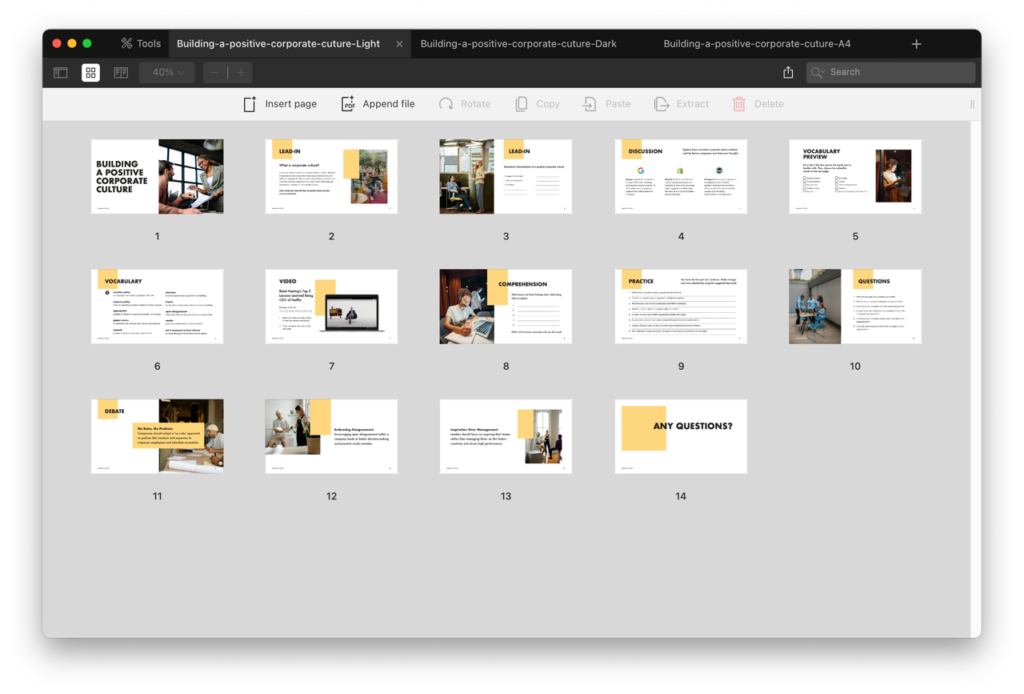
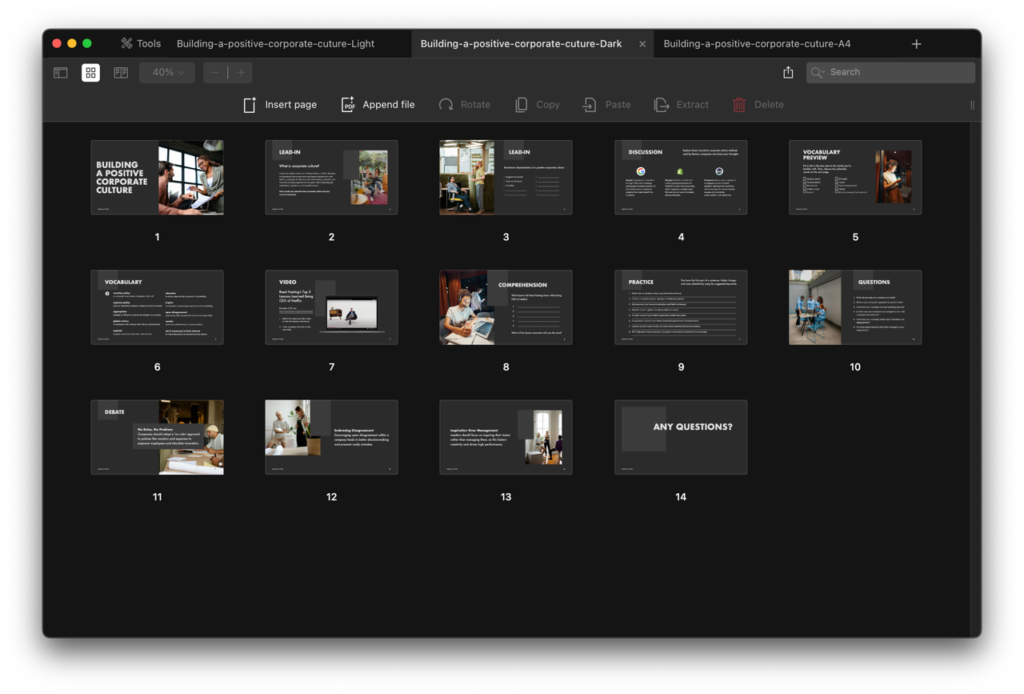
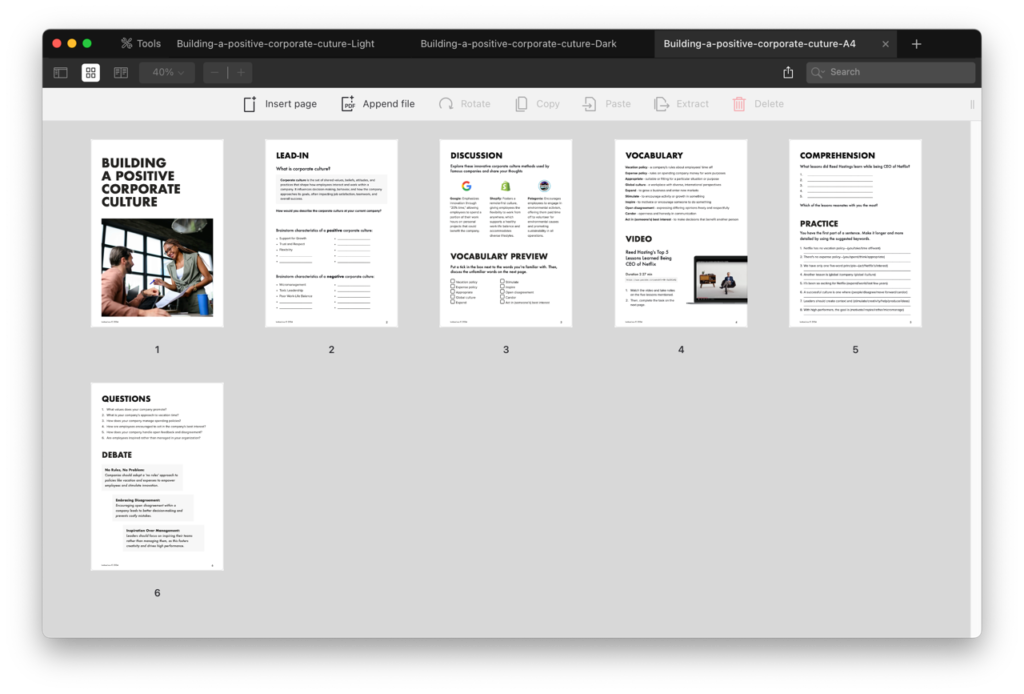
- Lead-in
- Discussion
- Vocabulary preview
- Vocabulary
- Video
- Comprehension
- Practice
- Questions
- Debate
Start with the definition of corporate culture and ask students how they’d describe the culture at their own company. This personal connection matters because it gives students a reference point for everything that follows. Then move to the brainstorm activity. Three characteristics are already listed: support for growth, trust and respect, and flexibility. Students add seven more. Write their ideas on the board and group similar ones together. After brainstorming, show the three company examples: Google’s 20% time, Shopify’s remote-first approach, and Patagonia’s paid environmental activism. Ask students which approach they’d prefer and whether any of these would work at their own company.
Cover the ten vocabulary words before the video. “Candor,” “open disagreement,” and “act in someone’s best interest” are the heaviest items here. For “candor,” a clear example helps: “Candor means being honest even when it’s uncomfortable, like telling your boss their idea won’t work.” For “act in someone’s best interest,” tie it directly to Netflix: “Instead of having a hundred rules, Netflix just asks employees to act in the company’s best interest.” The rest of the vocabulary is more familiar at B2, but double-check “expense policy” and “stimulate” with quick examples.
Play the video. At two and a half minutes, it’s tight and packed with ideas. Students take notes on five lessons during the first viewing. After watching, they write down the five lessons on the comprehension slide. Check answers together and ask which lesson they connect with most. The sentence expansion practice follows. Students get the beginning of eight sentences with keywords in parentheses and build them into full, detailed statements. For example, “Netflix has no vacation policy” plus the keywords “you/take/time off/want” becomes something like “Netflix has no vacation policy, so you can take time off whenever you want.” This pushes students to produce longer, more natural sentences rather than just short answers.
The discussion questions get personal again. Students talk about their own company’s approach to vacation, spending, feedback, and management style. These work best in small groups where students from different workplaces can compare experiences. End with the three debate topics. Each one takes a strong position: companies should drop all rules, disagreement leads to better decisions, and leaders should inspire rather than manage. Split the class for each debate and give both sides a couple of minutes to prepare arguments. These debates tie the whole lesson together because students need to use the vocabulary and ideas from the video to make their case.
