
Asking for a Discount

This A2 lesson teaches students how to ask for discounts and handle shopping situations confidently. They learn vocabulary like “bargain,” “receipt,” and “sold out,” then read practical tips for negotiating prices politely. The activities include a chaotic Black Friday video, reading comprehension about discount strategies, and three role-plays practicing customer-cashier conversations.
Lesson overview
- Practice shopping vocabulary including store roles, payment terms, and discount language
- Read helpful strategies for asking politely about lower prices and special deals
- Build conversation skills through three role-plays covering discounts, refunds, and busy shop scenarios
- Discuss attitudes toward bargaining, queuing, and receipt policies in different shopping contexts
| Level | Vocabulary | Lesson Time |
| A2 / Pre-Intermediate | 10 words | 60 min |
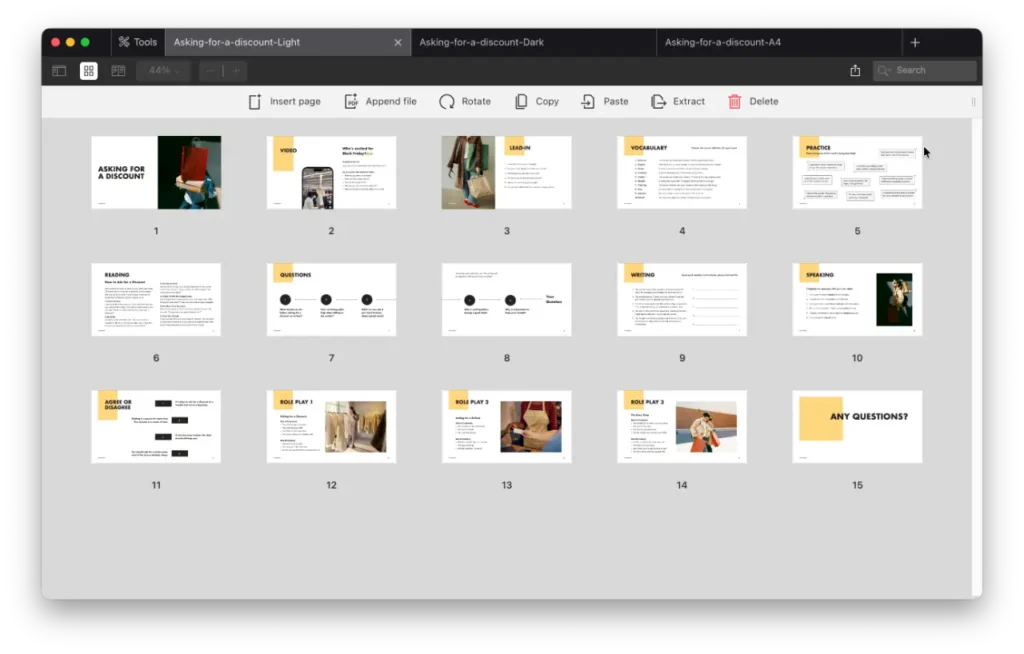
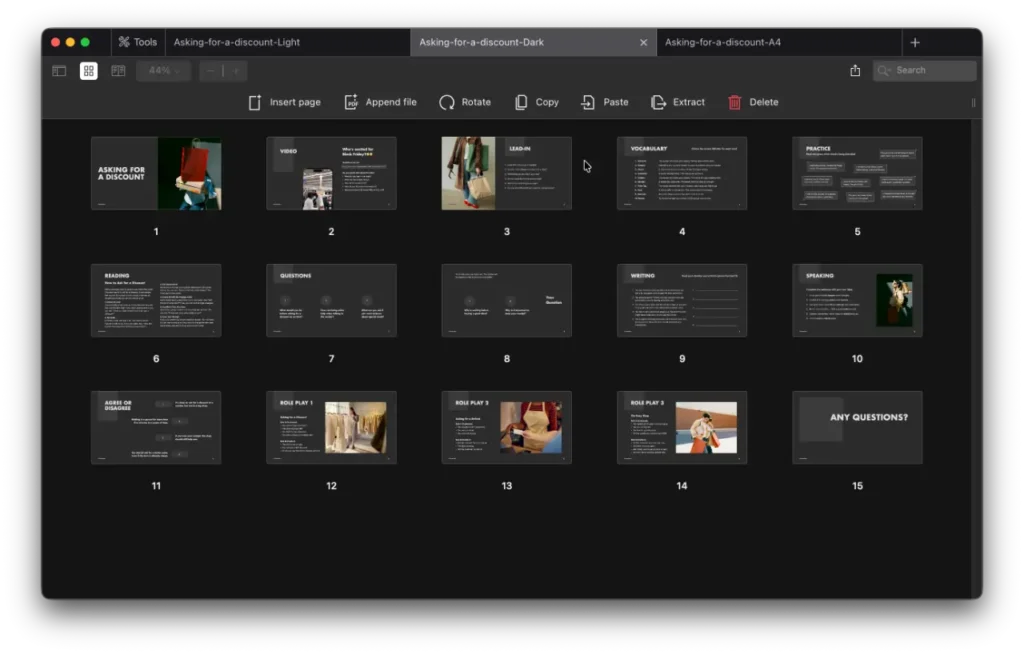
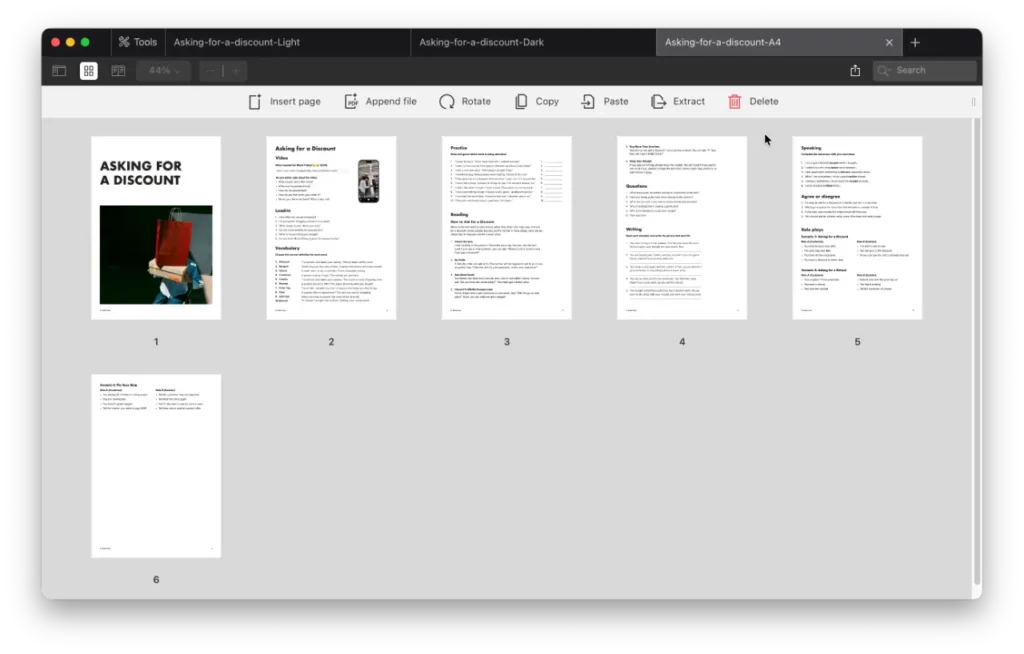
Vocabulary
- Discount
- Bargain
- Queue
- Customer
- Cashier
- Receipt
- Price Tag
- Deal
- Sold Out
- Refund
Contents
- Video
- Lead-in
- Vocabulary
- Vocabulary practice
- Reading
- Questions
- Writing
- Speaking
- Agree or disagree
- Role play
Start with the Black Friday video that runs only 24 seconds but shows complete chaos. Students describe what they see while watching: crowds rushing, people grabbing items, the intense energy. Ask how they feel watching it and whether they’d want to be there. This gets them talking about shopping behavior before introducing vocabulary.
The lead-in questions cover basic shopping habits like online versus in-store preferences and recent purchases. A2 students can handle these personal questions with simple past and present tenses. The vocabulary matching on slide 4 teaches ten essential shopping words. Make sure students understand the difference between “discount” (reduced price) and “deal” (special offer) since both appear throughout the lesson.
The practice activity describes shopping situations without naming the vocabulary word. Students read clues like “I came to buy it, there were none left” and guess “sold out.” This tests comprehension in context before the reading begins. The reading passage gives six practical tips for asking for discounts. It uses simple language appropriate for A2 level while teaching useful phrases like “Is this your best price?” and “Will this go on sale soon?”
After reading, students answer comprehension questions and then complete the writing task on slide 9. Each situation requires them to choose or write an appropriate phrase for asking about discounts, checking for sales, or requesting refunds. This bridges reading comprehension and real-world application.
The sentence completion activity personalizes the vocabulary. Students finish statements about their own bargain experiences, queue patience, and receipt habits. The agree/disagree statements explore cultural attitudes toward bargaining. In some countries asking for discounts at big shops seems rude, while in others it’s completely normal.
The three role-plays give controlled speaking practice. The first covers asking for a discount on an expensive shirt. The second practices requesting a refund without the price tag still attached. The third shows a rushed customer in a long queue trying to pay quickly. These scenarios recycle all the vocabulary naturally while building confidence for real shopping conversations.
